
 Follow Us on Google Discover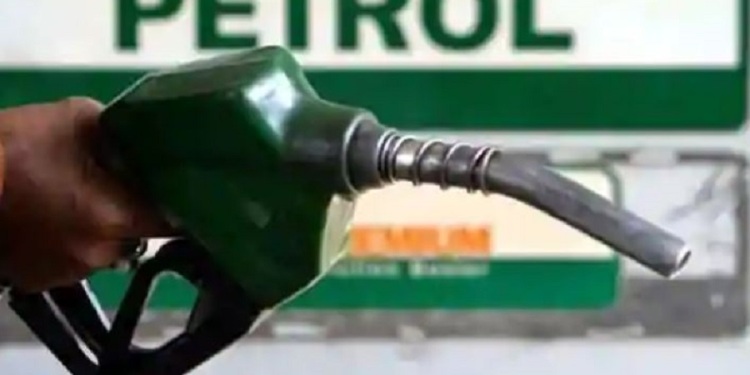
Oil marketers have hinted that most vehicle owners who installed Compressed Natural Gas (CNG) as an alternative energy source may return to petrol as petroleum product prices continue to decline.
The marketers said operators that maintain efficient supply chains are likely to benefit from increased demand, as petrol prices have started declining following developments in the global crude oil market.
They also said they will now start receiving increased patronage at their filling stations due to lower petroleum product prices, with marketers who used to buy one truck of product now able to buy between 10 and 15 trucks.
The decline followed the recent peace deal between the United States and Iran, which pushed crude oil prices down from as high as $120 per barrel to about $77 per barrel.
Petrol prices in Lagos and surrounding areas have reduced from an average of N1,320 per litre at filling stations to between N1,199 and N1,245 per litre, while prices at major depots dropped from an average of N1,275 per litre to between N1,165 and N1,180 per litre.
What they are saying
Oil marketers said the decline in petroleum product prices could influence consumers who previously switched to alternatives such as CNG due to the high cost of petrol.
In an exclusive interview with Nairametrics, the National Publicity Secretary of the Independent Petroleum Marketers Association of Nigeria (IPMAN), Chinedu Ukadike, said the Dangote Refinery, which is currently the major supplier of petroleum products in Nigeria, has adjusted its prices following the decline in crude oil prices.
- “The recent drop in price of petroleum products was born out of the peaceful settlement between Iran and the United States and the opening of the Strait of Hormuz. Now that the supply is coming, now that the vessels are moving in, you are finding that the crude oil has started dropping because there is an increase in supply of crude oil.”
- “So now Dangote Refinery, which is the main supplier of petroleum products here in Nigeria because of its strategic nature, has also yielded to that international decrease by also reducing the petroleum products in line with the price of crude oil and factors of its refining here in Nigeria.”
- “Most people install CNG tanks and use cylinders to run their small-scale businesses because of the cost of petroleum products. I also believe that now that petroleum products are coming down, they will revert back to petroleum products and abandon the CNG and LPG.”
Ukadike said the lower prices would create more competition among energy sources as consumers begin to reassess their options.
More Insights
Another retail station operator, Mallam Darman Abdullahi, said the reduction in petrol prices presents both opportunities and challenges for petroleum marketers.
- Marketers who purchased products at higher prices before the reductions are experiencing inventory losses because they are now compelled to sell at lower rates.
- Lower prices are encouraging increased consumption as transportation and operating costs reduce.
- Higher sales volumes could improve cash flow and turnover, although profit margins per litre may not necessarily increase.
- Operators with efficient supply chains are likely to benefit from increased demand.
Ukadike explained that lower petrol prices would enable marketers to purchase larger volumes with less funding compared with the previous situation where high prices increased their financial burden.
He said stations that previously struggled to purchase large volumes of products would now be able to increase their supply, improving availability for consumers.
Ukadike also dismissed concerns that marketers could hoard products to take advantage of price changes, noting that competition would force operators to sell at prevailing market prices.
Abdullahi, however, cautioned that lower petrol prices do not automatically translate into higher profits for marketers, as profitability depends on acquisition costs, operating expenses, financing costs and sales volumes.
What you should know
Oil marketers had in March this year raised concerns that their businesses were suffering due to rising petrol prices linked to the conflict in the Middle East.
- They said the increase in supply costs had created additional financial pressure on operators, many of whom depend on bank loans to finance petroleum product purchases.
- Marketers said they needed significantly more funds to purchase a truck of petroleum products while earning lower returns.
- They noted that demand had dropped sharply, with some customers who previously bought 20,000 litres or 10,000 litres reducing purchases to about 2,000 litres or 1,000 litres.
The rising cost of petrol supply increased the financial burden on operators who rely on loans with high interest rates.
The latest decline in petrol prices has therefore shifted market conditions, with marketers expecting increased demand and improved product movement across retail outlets.
These petroleum product dealers should stop taking us for a ride. A drop in retail pump price of pms from #1,320 to #1,240 per litre ( a mere 6%) is nothing compared to the crude oil price drop from over $90 to the current $76 per barrel (over 15.5%). They may say that price drops don’t reflect immediately, however price increases seem to reflect instantly at retail pumps. I bet that even when crude prices return to pre-war levels, Nigerians may never experience the pre-war retail pump price range of #835 to #850 per litre.
Petroleum products dealers know exactly what they’re doing. They’ll give you the typical excuse of depleting inventory bought at higher prices, but will never maintain the initial price on their current inventory before raising when restocking at higher prices. The emergence of competition from Dangote actually curtailed their excesses because they only respond whenever he reduces, but they’re quick to call him out for monopoly. Very greedy folks; and this is why they fought hard to prevent Dangote from making entry, because they know he’ll put a plug on their manipulative games by seizing control over the price dynamics.
Now, instead of buying directly from Dangote, they have resorted to round-tripping by buying his stock sold to foreign buyers (e.g. Togo) and reimporting back to Nigeria at a cheaper price, just to still maintain margin gains.
I will continue to say that Nigerian petroleum product marketers are the worst of their kind all over the world, immediately the war erupted, the retail prices of petroleum products did not wait for them to exhaust all previous stocks before jumping very high, now that there is a little breath of freah air in the Middle East, most especially opening of the strait of hormuz with its attendant reduction in global oil prices, petroleum product still remain very high in Nigeria here and the question I keep asking is this: who bewitched us in this country?
@Stanley,i disagree with you. The pump price will drop further below #850 per liter. Yes i agree with you on the stand that marketers are greedy but the era we are now,their dubious atitude cant prevail as the more dangote bring down the price,the more others follows
@nairametrics, it is frustrating to see how shallow minded Nigerians are, especially those we expect to have core technical knowledge about oil and gas.
Go and do your proper research about gas and the impact CNG has had so far in mobility transport. Car owners, both private and commercial, are experiencing savings of between 50% – 70% using CNG, and you expect them to go back just because of drop in global petrol prices, an insignificant impact on the price at the pump at home.
Dangote has brought in over 5000+ CNG powered trucks so far for his operations, saving him millions in logistics costs. Why on earth is Africa’s richest man towing that path?
IPMAN should be guided and find ways to adapt to the changing tide. Nigeria has more gas reserves than crude, and CNG has come to stay as part of our energy transition. You either take position and collaborate or be left behind.