Follow Us on Google Discover
Africa’s wealth story in 2026 is not just a ledger of billion-dollar fortunes; it is a map of power, ambition, and the industries quietly reshaping the continent’s future.
From cement plants and oil refineries to telecom empires, luxury conglomerates, and cross-border investment vehicles, Africa’s richest individuals have built more than wealth; they have built systems.
This ranking of Africa’s Top 18 Billionaires based on Forbes billionaire ranking index captures a continent in transition.
These are not accidental fortunes. They are the result of long industrial cycles, aggressive market entry, and strategic control of sectors that sit at the foundation of everyday life: energy, food, finance, infrastructure, and communication.
What connects them is not just scale, but structure. Some inherited legacy conglomerates and expanded them into global players. Others started with trading desks, import businesses, or small banking models and scaled them into continental institutions. Across the board, their wealth reflects a deeper economic shift: the rise of African-owned capital in industries once dominated from outside the continent.
18. Femi Otedola
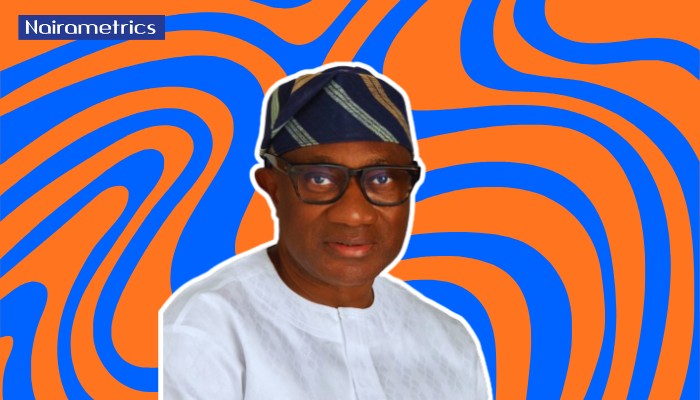
- Net Worth: $1.4 billion
Femi Otedola is a Nigerian billionaire investor whose career spans commodities trading, energy, power generation, and financial services. He built his initial fortune through commodity trading before expanding into downstream petroleum through Forte Oil, which became one of Nigeria’s most prominent indigenous energy companies.
In a strategic shift that redefined his business portfolio, Otedola exited Forte Oil and focused on power generation through Geregu Power Plc. The company became one of Nigeria’s leading electricity generation firms and was listed on the Nigerian Exchange, marking a significant milestone in the country’s power sector.
In 2025, Otedola sold his majority stake in Geregu Power in a deal estimated to have generated roughly $750 million, while retaining a minority holding of about 5%.
Beyond energy, Otedola has established himself as one of Nigeria’s most influential investors through significant stakes in leading financial institutions, including Zenith Bank and FBN Holdings.
Known for his high-profile lifestyle and philanthropy, Otedola also owns luxury properties in Lagos, Dubai, London, and Monaco. His career reflects a willingness to reinvent his portfolio and capitalize on opportunities across strategic sectors of the economy.
17. Samih Sawiris

- Net Worth: $1.4 billion
- Industry: Services / Real Estate & Tourism
Samih Sawiris is an Egyptian billionaire and one of the key figures in the Sawiris family, one of the most influential business dynasties in the Middle East and Africa. He is the founder and chairman of Orascom Development Holding, a company focused on building and operating large-scale resort towns and integrated tourism destinations.
Unlike traditional real estate developers, Sawiris’ business model centers on creating fully integrated communities that combine hospitality, residential housing, leisure, and infrastructure. Orascom Development operates projects across Egypt, Switzerland, and Montenegro, positioning itself as a global player in destination development rather than conventional property construction.
He is part of a broader family business ecosystem. His brothers, Nassef and Naguib Sawiris, are also billionaires with major stakes in Orascom Construction, a company founded by their father in 1950. The Sawiris family remains deeply embedded in Egypt’s corporate and industrial landscape, with diversified interests across construction, telecommunications, and investment.
Beyond business, Samih Sawiris is involved in philanthropy through the Sawiris Foundation for Social Development, which focuses on job creation and sustainable development initiatives in Egypt.
16. Youssef Mansour

- Net Worth: $1.8 billion
- Industry: Diversified
Youssef Mansour is a senior figure in Egypt’s Mansour Group, one of the largest privately held conglomerates in the Middle East and Africa. The group was founded by his father, Loutfy Mansour, in 1952 and has since grown into a diversified enterprise with interests spanning automotive distribution, consumer goods, retail, and industrial equipment.
Mansour plays a key role in the group’s consumer goods and retail operations. This includes overseeing Metro, one of Egypt’s major supermarket chains, as well as managing exclusive distribution agreements for global brands such as L’Oréal in Egypt.
The group also holds long-standing distribution rights for General Motors vehicles and Caterpillar equipment across Egypt and other regional markets, positioning it as a critical intermediary between multinational corporations and local consumers.
Under the leadership of the Mansour family, the conglomerate has expanded into one of the most influential business networks in the region. Youssef works alongside his brothers, Mohamed and Yasseen Mansour, who are also billionaires and key stakeholders in the family business.
15. Christoffel Wiese
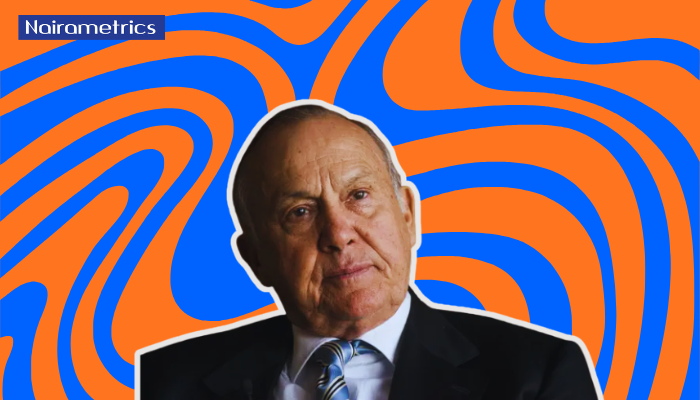
- Net Worth: $1.9 billion
- Industry: Retail & Consumer Goods
Christoffel Wiese is a South African billionaire investor best known for building one of the continent’s most influential retail empires. His early fortune was built through Pepkor, a discount retail group focused on affordable consumer goods for mass-market customers across South Africa and other African countries.
Wiese’s strategy centered on high-volume, low-margin retail, making everyday goods accessible to a broad consumer base. This approach became a foundation for his broader retail influence, including his significant stake in Shoprite Holdings, Africa’s largest supermarket chain. Through Shoprite and related investments, Wiese played a central role in shaping the expansion of organized retail across the continent.
His career has also been marked by volatility. In 2015, Pepkor was acquired by Steinhoff International in a multibillion-dollar deal, but accounting irregularities at Steinhoff led to a major collapse in shareholder value, resulting in significant losses for Wiese and his exit from key leadership positions. He later regained part of his wealth through settlements and restructuring agreements.
Today, Wiese maintains diversified holdings across retail, real estate, and industrial investments, including stakes in Brait, Collins Property Group, and Invicta Holdings.
14. Mohammed Dewji
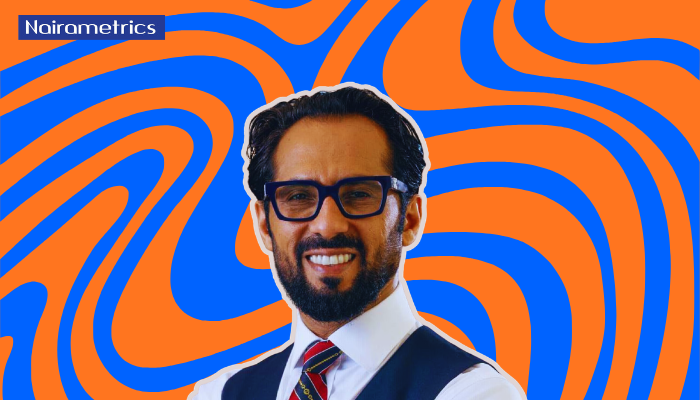
- Mohammed Dewji
- Net Worth: $2.1 billion
- Industry: Diversified
Mohammed Dewji is Tanzania’s most prominent billionaire and the CEO of Mohammed Enterprises Tanzania Limited (METL), a diversified conglomerate founded by his father in the 1970s. Under his leadership, METL has evolved from a domestic trading business into one of East Africa’s largest industrial groups.
The company operates across textile manufacturing, flour milling, beverages, edible oils, and other fast-moving consumer goods sectors. Its vertically integrated structure allows it to control production, distribution, and retail channels, strengthening its competitiveness in multiple African markets. Beyond Tanzania, METL has expanded operations into more than 10 countries, including Kenya, Uganda, and Ethiopia, making it a significant regional player in manufacturing and consumer goods.
Dewji is widely recognized for his focus on industrialization and local production, with a business strategy centered on reducing import dependence and strengthening African manufacturing capacity. In addition to his corporate activities, he is a committed philanthropist and became the first Tanzanian to sign the Giving Pledge in 2016, committing to donate at least half of his wealth to charitable causes.
13. Strive Masiyiwa
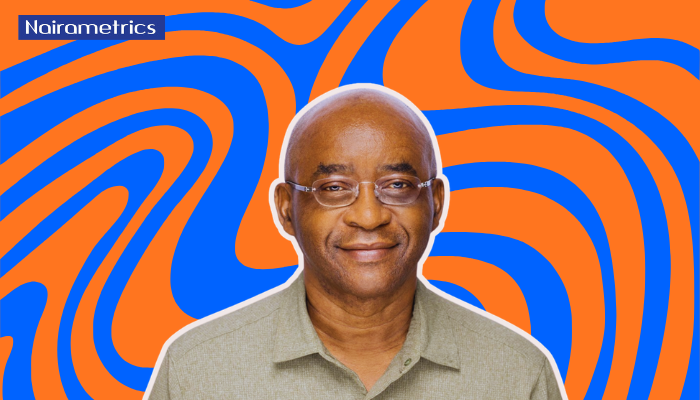
- Net Worth: $2.1 billion
- Industry: Telecom
Strive Masiyiwa is a Zimbabwean billionaire entrepreneur and founder of Econet Group, one of Africa’s leading telecommunications and technology conglomerates. His career is defined by persistence in the face of regulatory resistance, having spent years challenging government restrictions before successfully launching Econet Wireless Zimbabwe in 1998.
Econet has since grown into a diversified technology group with interests in mobile telecommunications, fintech, fiber infrastructure, and digital services. Masiyiwa holds a significant stake in Econet Wireless Zimbabwe, as well as EcoCash, a mobile money platform that has become a critical financial services tool across several African markets.
Through Liquid Intelligent Technologies, he has also expanded into fiber-optic networks and cloud infrastructure services that support enterprise and telecom connectivity across the continent.
Beyond telecommunications, Masiyiwa has investments in fintech and power distribution, reflecting a broader focus on digital and infrastructure-enabled growth. He also holds board-level experience internationally, including serving on the board of Netflix, which highlights his global influence in technology and media.
Together with his wife Tsitsi Masiyiwa, he co-founded the Higherlife Foundation, a philanthropic organization supporting vulnerable children and communities across Zimbabwe and other African countries.
12. Koos Bekker
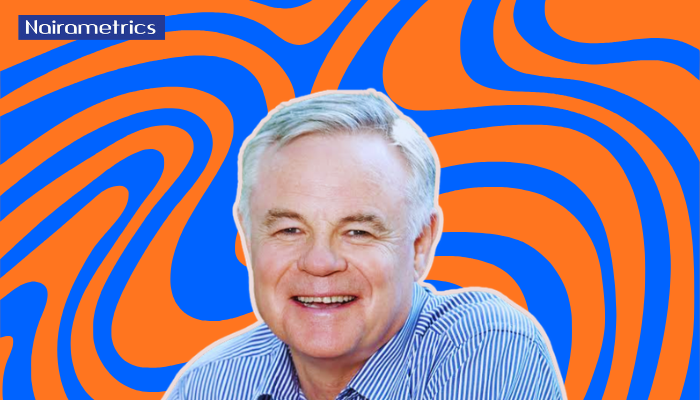
- Net Worth: $3.4 billion
- Industry: Media & Technology Investments
Koos Bekker is a South African media executive and investor best known for transforming Naspers from a traditional newspaper publisher into one of the world’s most successful technology investment companies. His leadership is widely regarded as one of the most significant corporate pivots in modern emerging-market business history.
Bekker’s most notable decision came in 2001, when he led Naspers’ early investment of approximately $34 million for a stake in Chinese technology company Tencent. This investment later grew into one of the most valuable venture returns in corporate history, fundamentally reshaping Naspers’ global position and financial trajectory.
Under his leadership, Naspers expanded beyond print media into pay television, digital platforms, and global internet investments. In 2019, the company reorganized its structure by spinning off assets into Prosus, which holds the Tencent stake, and MultiChoice Group, a leading entertainment and pay-TV business in Africa.
Bekker stepped down as CEO in 2014 but returned as chairman in 2015, continuing to influence the company’s long-term strategy.
11. Issad Rebrab
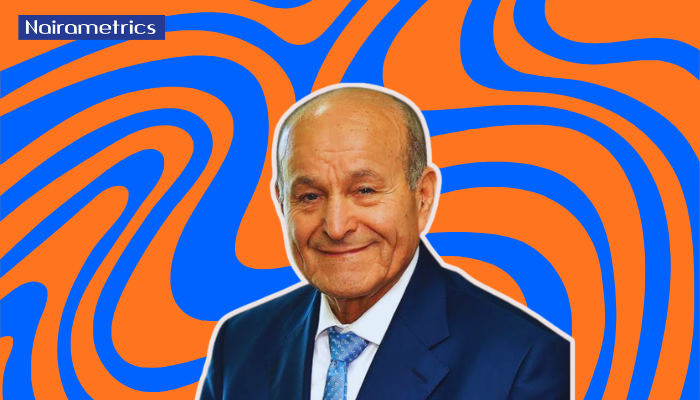
- Net Worth: $3.6 billion
- Industry: Food & Beverage / Manufacturing
Issad Rebrab is the founder of Cevital, Algeria’s largest privately owned conglomerate and one of the most significant industrial groups in North Africa. Over more than five decades, he built Cevital into a diversified manufacturing empire with operations spanning food processing, industrial production, retail, and international manufacturing assets.
Cevital is best known for operating one of the world’s largest sugar refineries, with the capacity to produce millions of tons annually. The company also produces edible oils and other consumer food products, positioning itself as a key player in Algeria’s food supply chain and broader regional markets.
Beyond food production, Cevital has expanded into industrial manufacturing and international acquisitions, including ownership of European companies such as French home appliance manufacturer Groupe Brandt and Spanish aluminum producer Alas Iberia.
Rebrab led the company as CEO for more than 50 years before passing leadership to his son Malik in 2022, marking a generational transition within the family business. His career has also been marked by legal and regulatory challenges, including a brief imprisonment in 2019 on corruption charges, which he has denied. In 2023, an Algerian court restricted his ability to hold formal managerial roles within Cevital.
10. Michiel Le Roux
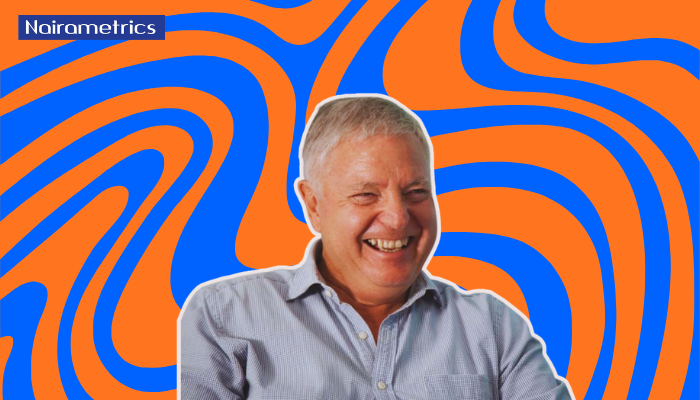
- Net Worth: $3.5 billion
- Industry: Finance & Banking
Michiel Le Roux is a South African banker and entrepreneur best known as the founder of Capitec Bank, one of Africa’s most disruptive retail banking institutions. Established in 2001, Capitec was created to challenge the traditional banking model in South Africa by offering simple, affordable, and accessible financial services to the country’s growing middle and lower-income population.
Le Roux’s vision was shaped by his experience in banking, including his earlier role at Boland Bank, a small regional institution in the Western Cape. He identified a gap in the market for streamlined banking products that prioritized transparency, low fees, and ease of use. Capitec’s rapid adoption among consumers reflected the demand for a more inclusive financial system.
The bank expanded quickly after its founding and became one of South Africa’s largest retail banks, listed on the Johannesburg Stock Exchange. Le Roux owns approximately 11% of Capitec’s shares, which remain the primary source of his wealth.
He served as chairman of Capitec from 2007 to 2016 and continues to sit on the board, contributing to its long-term strategic direction. His career is widely cited as a leading example of financial-sector innovation in emerging markets, demonstrating how simplified banking models can unlock mass-market demand and reshape an entire industry.
9. Patrice Motsepe
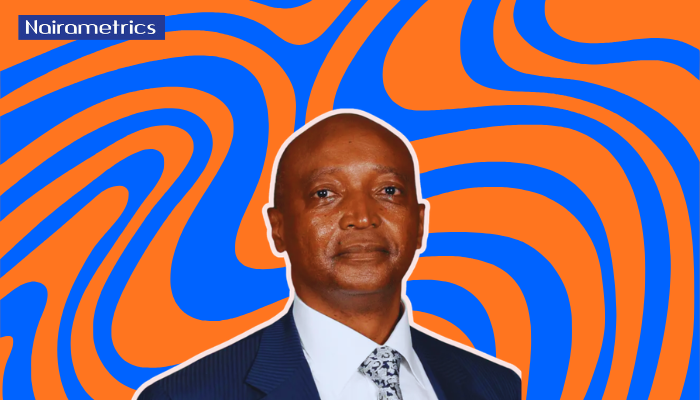
- Net Worth: $3.6 billion
- Industry: Metals & Mining
Patrice Motsepe is a South African billionaire businessman and the founder of African Rainbow Minerals (ARM), one of the country’s leading diversified mining companies. He made history in 2008 as the first Black African billionaire to be listed on Forbes, marking a significant milestone in South Africa’s post-apartheid economic transformation.
Motsepe’s entry into mining began in the 1990s, after working as a lawyer and becoming the first Black partner at Bowman Gilfillan, a leading Johannesburg law firm. He later transitioned into mining services and acquired low-producing gold mine shafts in 1997, which he successfully turned into profitable operations through restructuring and operational improvements.
In 1997, he founded ARM, which now holds interests in gold, platinum, iron ore, and other mineral resources. Beyond mining, Motsepe has expanded into financial services through stakes in Sanlam and private equity investments via African Rainbow Capital, which focuses on African growth opportunities.
8. Mohamed Mansour
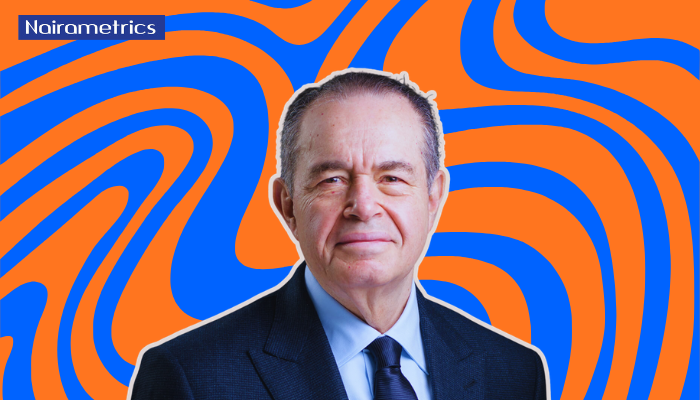
- Net Worth: $4 billion
- Industry: Diversified
Mohamed Mansour is an Egyptian billionaire and chairman of Mansour Group, one of the largest privately owned conglomerates in Africa and the Middle East. The company was founded by his father, Loutfy Mansour, in 1952 and has grown into a diversified enterprise employing tens of thousands of people across multiple industries.
A key pillar of the group’s success is its long-standing partnership with General Motors. Mansour established GM dealerships in Egypt in 1975, later expanding into one of the company’s largest distribution networks globally. The group also holds exclusive distribution rights for Caterpillar equipment in Egypt and several African markets, positioning it as a major player in automotive and heavy machinery distribution across the continent.
Mansour’s influence extends beyond business. He served as Egypt’s Minister of Transport from 2006 to 2009 under the Hosni Mubarak administration, reflecting his involvement in both public and private sector leadership. He also holds dual Egyptian and British citizenship.
The Mansour Group remains a family-controlled enterprise, with his brothers Yasseen and Youssef also billionaires and active stakeholders. His son, Loutfy Mansour, leads the group’s private equity arm, Man Capital, signaling a generational transition within the family business.
7. Naguib Sawiris
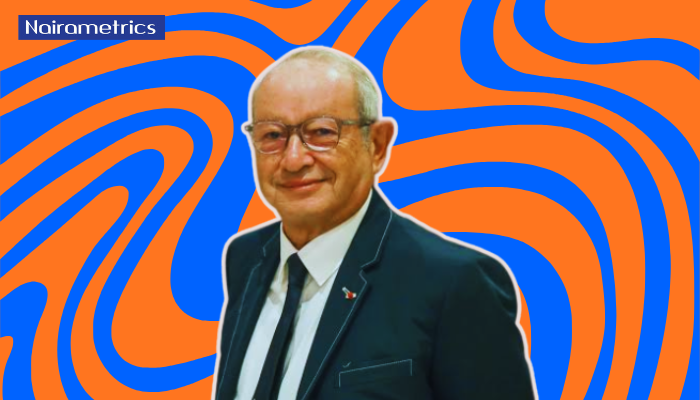
- Net Worth: $5.6 billion
- Industry: Telecom
Naguib Sawiris is an Egyptian billionaire businessman and a prominent member of the influential Sawiris family, one of the wealthiest business dynasties in Africa and the Middle East. His fortune was primarily built through the telecommunications sector, where he played a key role in expanding mobile networks across emerging markets.
He founded Orascom Telecom, which grew into one of the largest telecom operators in the region, with operations spanning Africa, the Middle East, and parts of Asia. In 2011, he sold the business to Russian telecom firm VimpelCom (now VEON) in a multibillion-dollar deal, marking a major exit from the telecom industry.
Following the sale, Sawiris transitioned into investment management and diversified holdings through Orascom TMT Investments. The firm maintains interests in asset management in Egypt, European digital media companies such as Italiaonline, and other technology-related ventures. His portfolio reflects a shift from operating telecom networks to broader technology and media investments.
Beyond telecom, Sawiris has invested in hospitality and real estate, including luxury resort developments such as Silversands in Grenada. His business approach combines high-risk emerging market expansion with global diversification.
6. Mike Adenuga
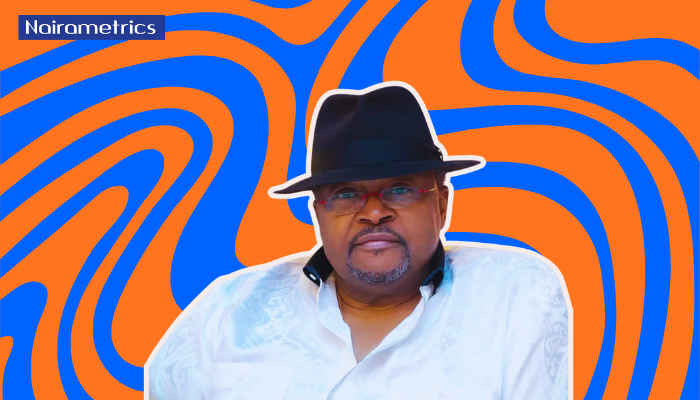
- Net Worth: $6.6 billion
- Industry: Diversified (Telecom & Oil)
Mike Adenuga is a Nigerian billionaire entrepreneur whose wealth is anchored in telecommunications and oil exploration. He is the founder of Globacom, one of Nigeria’s largest mobile network operators and a major competitor in the country’s telecom industry, serving tens of millions of subscribers across West Africa.
Globacom is notable for its aggressive expansion strategy and infrastructure investments, including the development of Glo-1, a 6,100-mile submarine cable connecting Nigeria to the United Kingdom via Ghana and Portugal. The project strengthened West Africa’s international connectivity and reduced reliance on third-party bandwidth providers.
Before entering telecommunications, Adenuga built significant wealth in the oil sector through Conoil Producing, an indigenous exploration and production company operating multiple oil blocks in Nigeria’s Niger Delta region. His energy interests remain a core part of his diversified portfolio, alongside substantial holdings in publicly listed companies, including Conoil and Sterling Financial Holding.
Adenuga is known for maintaining a low public profile despite his substantial business influence. His strategy has focused on building vertically integrated infrastructure across both telecom and energy sectors, allowing him to control key parts of value chains in Nigeria’s most critical industries.
5. Nassef Sawiris
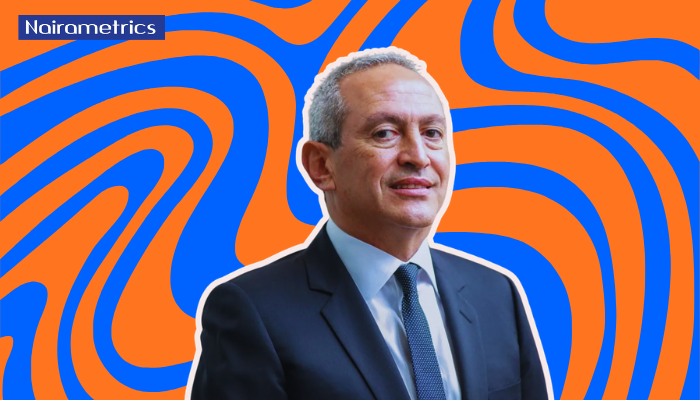
- Net Worth: $9.8 billion
- Industry: Construction, Chemicals & Investments
Nassef Sawiris is an Egyptian billionaire investor and industrialist, and one of the most influential members of the Sawiris family, Egypt’s wealthiest business dynasty. His fortune is built on a combination of heavy industry, global investments, and strategic stakes in multinational companies.
He is the chief executive of OCI N.V., one of the world’s largest producers of nitrogen fertilizers, with major production facilities in the United States and distribution networks serving global agricultural markets. OCI’s scale and international footprint have positioned Sawiris as a key player in global agribusiness and industrial chemicals.
In addition to OCI, Sawiris holds significant stakes across diversified global assets. These include a substantial shareholding in Adidas, one of the world’s leading sportswear brands, and an investment in Madison Square Garden Sports, which owns the New York Knicks and New York Rangers. He also co-owns English Premier League football club Aston Villa, alongside investor Wes Edens.
He continues the legacy of Orascom Construction, one of Egypt’s most prominent engineering and infrastructure companies, which operates across multiple international markets.
4. Nicky Oppenheimer

- Net Worth: $10.6 billion
- Industry: Metals & Mining / Investments
Nicky Oppenheimer is a South African billionaire heir to the De Beers diamond fortune and one of the most prominent legacy figures in global mining history. He represents the third generation of the Oppenheimer family to lead De Beers, a company that for decades controlled a significant share of the world’s diamond trade.
Following the sale of the family’s De Beers stake, Oppenheimer shifted his focus toward private investments, conservation, and long-term capital management. Through various investment vehicles, he has maintained interests in sectors ranging from financial services to natural resources. He is also widely recognized for his commitment to environmental conservation, particularly in southern Africa, where he has supported large-scale wildlife preservation initiatives.
The Oppenheimer name remains synonymous with mining wealth and corporate influence in South Africa. Nicky Oppenheimer’s career demonstrates how legacy fortunes can evolve beyond their original industries through strategic diversification and disciplined investment management. His role in conservation has also added a philanthropic dimension to a family legacy traditionally associated with resource extraction.
3. Abdulsamad Rabiu
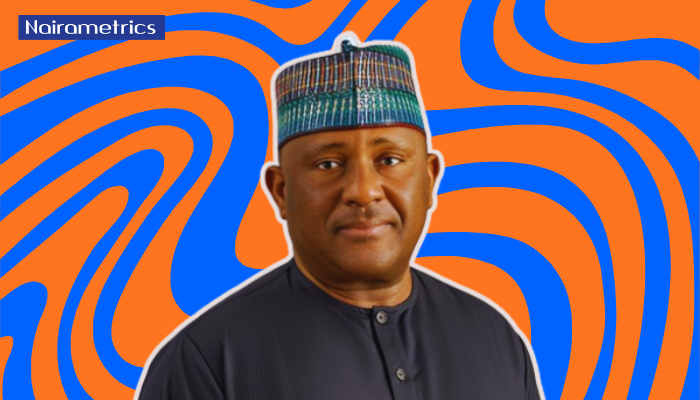
- Net Worth: $15 billion
- Industry: Diversified (Cement, Food & Manufacturing)
Abdulsamad Rabiu is a Nigerian billionaire businessman and founder of BUA Group, one of Africa’s largest industrial conglomerates. His business empire spans cement production, sugar refining, food processing, and real estate, making him a central figure in Nigeria’s manufacturing and infrastructure sectors.
Rabiu began his entrepreneurial journey in 1988, importing iron, steel, and chemicals. He later expanded into manufacturing and industrial production, leveraging inherited land and early trading success to establish a foundation for large-scale industrial operations. Over time, BUA Group evolved into a vertically integrated conglomerate with strong positions in essential commodities and construction materials.
A defining milestone in his business expansion was the merger of Obu Cement with the publicly listed Cement Company of Northern Nigeria in 2020, forming BUA Cement Plc. Rabiu maintains a dominant stake of over 98% in the company, which is listed on the Nigerian Exchange. He also owns the majority of BUA Foods, a major publicly traded food manufacturing company with a 95% stake.
2. Johann Rupert
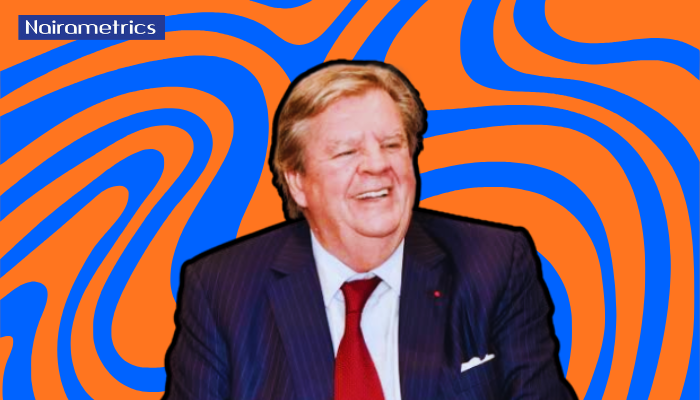
- Net Worth: $16.9 billion
- Industry: Luxury Goods, Investments
Johann Rupert is a South African billionaire businessman and chairman of Compagnie Financière Richemont, one of the world’s largest luxury goods conglomerates. Richemont is best known for its portfolio of high-end brands, including Cartier, Montblanc, and other leading names in luxury watches and jewelry.
The Richemont group was formed in 1998 following a restructuring of assets from the Rembrandt Group, originally established by Rupert’s father, Anton Rupert, in the 1940s. Under Johann Rupert’s leadership, Richemont has grown into a global luxury powerhouse with a strong presence in Europe, Asia, and North America, driven by demand for premium consumer goods.
Beyond Richemont, Rupert maintains significant investment holdings. He owns a stake in Remgro, a diversified South African investment firm where he also serves as chairman, and holds a substantial interest in Reinet, a Luxembourg-based investment company with global exposure across multiple sectors.
1. Aliko Dangote
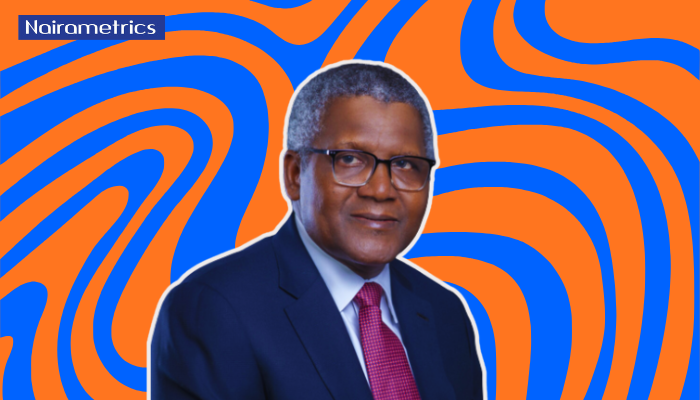
- Net Worth: $32.5 billion
- Industry: Manufacturing & Industrial Conglomerates
Aliko Dangote is Africa’s richest person and the founder and chairman of Dangote Group, one of the continent’s largest industrial conglomerates. His business empire spans cement, fertilizers, sugar, and petroleum refining, positioning him at the center of Africa’s manufacturing and industrial transformation.
Dangote Cement is the group’s flagship company and the largest cement producer in Africa. The company operates across multiple countries with a production capacity of nearly 50 million metric tons annually, making it a dominant force in the continent’s construction and infrastructure sector. Dangote owns the majority of the company through a holding structure, maintaining tight control over its strategic direction.
In recent years, Dangote has expanded aggressively into energy and industrial inputs. His fertilizer plant in Nigeria began operations in 2022, supporting agricultural productivity and reducing dependence on imports across African markets. His most ambitious project, the Dangote Refinery, began construction in 2016 and commenced operations in 2024, marking a major milestone in Africa’s energy independence and refining capacity.