Follow Us on Google Discover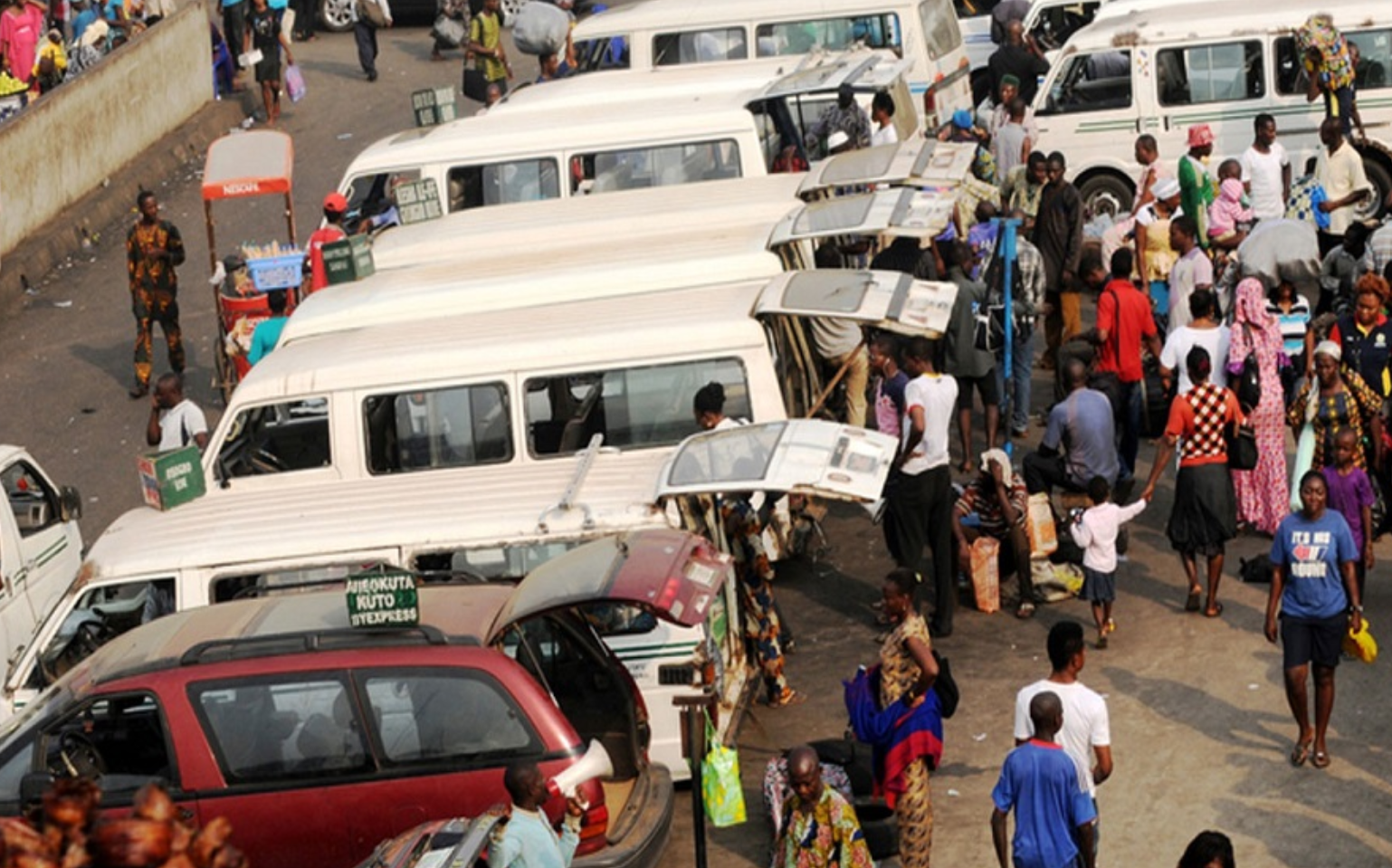
Transport costs across Nigeria continued to increase in April 2026, with the average fare for intercity bus travel rising to N9,607.41 per passenger.
This is according to the latest Transport Fare Watch report released by the National Bureau of Statistics (NBS).
The report showed that commuters paid more across most transport categories, including intra-city buses, motorcycles, water transport and air travel, reflecting the impact of persistent inflationary pressures, elevated fuel costs and rising operational expenses.
According to the NBS, intercity bus fares increased by 21.58% year-on-year from N7,901.70 recorded in April 2025, although the pace of monthly increases remained relatively moderate.
Also Read
What the report is saying
Transport fares recorded mixed month-on-month movements but remained significantly higher than levels seen a year ago.
- Intra-city bus fares climbed to N1,397.27 per drop, up 1.73% from March 2026 and 39.83% higher than N999.27 recorded a year earlier.
- Air travel fares increased marginally by 0.08% month-on-month to N157,355.87 but were 20.82% higher than N130,243.90 recorded in April 2025.
- Motorcycle (Okada) transport recorded one of the steepest increases, rising by 56.20% year-on-year to N1,035.69, while water transport fares climbed 30.85% to N2,222.99.
The data underscores the continued rise in mobility costs for households and businesses despite signs of easing inflation in some segments of the economy.
More Insights
The NBS report also highlighted wide disparities in transport costs across states and geopolitical zones.
- Abia State recorded the highest average intercity bus fare at N10,998.89, while Kwara State posted the lowest at N7,900.10.
- For intra-city transport, Zamfara recorded the highest fare at N1,803.10 per trip, followed by Lagos at N1,704.03, while Abia recorded the lowest at N850.98.
- Kano State posted the highest average airfare at N183,835.21, while Gombe recorded the lowest at N135,650.75.
- Kaduna recorded the highest motorcycle fare at N1,690.91, while Rivers State led water transport costs at N6,777.45.
At the regional level, the South-West recorded the highest average fares for both intra-city and intercity transport, highlighting the cost pressures facing commuters in some of the country’s busiest economic hubs.
What you should know
Recent inflation data suggest that transportation remains one of the key contributors to the cost-of-living pressures facing Nigerians.
- Headline inflation stood at 15.69% in April 2026, according to the NBS.
- Fuel, maintenance and logistics costs remain elevated despite relative stability in some commodity prices.
- Transportation costs directly affect the prices of food, manufactured goods and other consumer products.
In April, the Federal Government moved to stabilise Nigeria’s aviation sector by capping jet fuel prices and introducing a 30-day credit window for airlines, following mounting concerns over soaring operating costs and potential flight disruptions.