Follow Us on Google Discover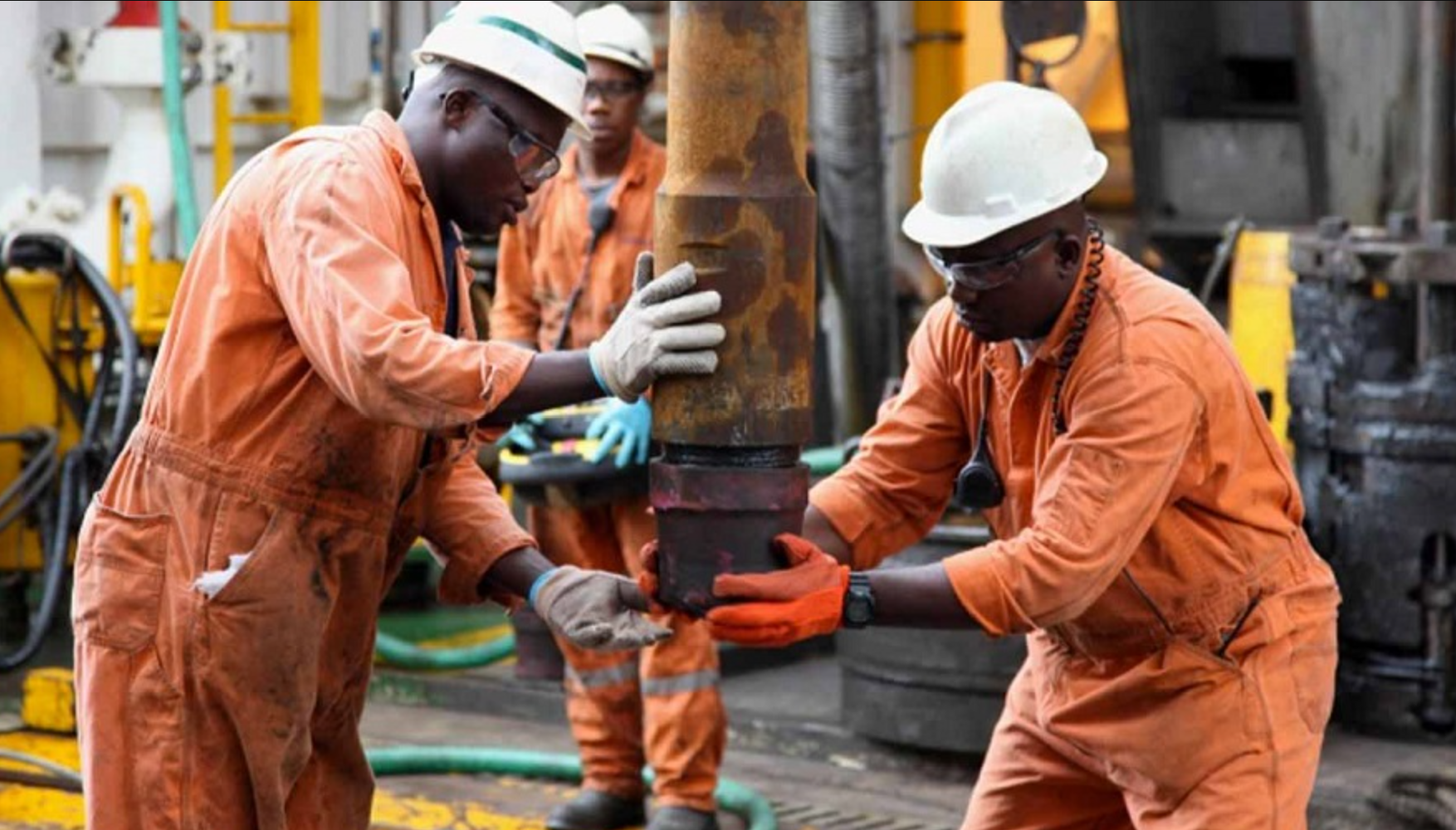
Nigerian indigenous oil producers are accelerating investment in near-term extraction projects as rising crude oil prices triggered by the Middle East conflict boost industry revenues and strengthen the country’s drive to increase oil production.
According to a Bloomberg report, several local upstream companies are reinvesting windfall earnings from the ongoing Iran-related oil market disruption into drilling campaigns and production expansion projects aimed at raising output before the end of the year.
The development comes as supply constraints linked to the effective closure of the Strait of Hormuz — a major global oil and gas shipping route — continue to tighten global crude supply and push international oil prices higher.
What the firms are saying
Industry players say the current oil market environment presents a rare opportunity for Nigerian producers to accelerate production growth and capture additional market share amid tightening global supply conditions.
Also Read
- “It’s a good planning meeting opportunity,” said Wisdom Enang, a former manager at Exxon Mobil Corp. in Nigeria.
- Enang stated that output from Nigeria’s smaller producers could increase by between 200,000 and 300,000 barrels per day before the end of 2026.
- Oando Energy Resources Chief Executive Officer, Wale Tinubu, said the company plans to increase production by 30% to about 42,500 barrels per day by year-end through the drilling of additional wells.
- He said his company is also bringing forward a five-year plan to double production in order to “capture the demand shortfall that has been created by this conflict.”
Industry executives also noted that elevated crude prices are improving the commercial viability of new drilling campaigns and attracting stronger investor interest into Nigeria’s oil sector.
Get up to speed
Nigeria’s oil production has been recovering gradually following years of underinvestment, crude theft, pipeline vandalism, and operational disruptions that weakened output across the Niger Delta.
- The Nigerian Upstream Petroleum Regulatory Commission (NUPRC) reported that Nigeria’s oil production rebounded strongly in April 2026, with the country recording a combined daily average output of 1.663 million barrels per day (bpd) of crude oil and condensates.
- President Bola Ahmed Tinubu’s administration introduced reforms aimed at improving investment conditions in the petroleum industry, including tax incentives, streamlined contract approvals, and restructuring within the Nigerian National Petroleum Company Limited (NNPCL).
- Indigenous firms have increasingly acquired onshore and shallow-water assets divested by international oil companies over the past few years.
- Companies such as Oando Energy Resources expanded their upstream portfolio after acquiring assets from Italian energy giant Eni SpA in 2024.
- The latest surge in global crude prices is now strengthening the financial position of these local operators and enabling faster execution of expansion projects.
More Insights
Several indigenous producers are already accelerating drilling activities and production plans in response to stronger oil prices and improved cash flow.
- Petralon Energy said it has brought forward plans for a third well after crude prices significantly exceeded its internal benchmark projection of $65 per barrel.
- According to Petralon Chief Executive Officer Ahonsi Unuigbe, the company expects output to rise by 56% to about 7,500 barrels per day before the end of 2026.
- Pan Ocean Oil Corp. and the Newcross Companies, which jointly produce about 48,000 barrels per day, said they have reactivated two oil wells since the conflict began.
- Oluseyi Oladapo, finance director at the joint operation, said the impact of the conflict on revenues has been “materially positive.”
Executives also disclosed that higher oil prices are attracting increased interest from investors in the Middle East seeking opportunities within Nigeria’s upstream sector.
What you should know
Recently, the NUPRC noted that Nigeria supplied 28.5 million barrels of crude oil to domestic refineries in the first quarter of 2026.
- Nigeria’s crude oil production stood at 1.459 million barrels per day (bpd) in January 2026, before dropping to about 1.31 million bpd in February, and later recovering to 1.38 million bpd in March, according to data from the Organization of the Petroleum Exporting Countries.
Nigeria remains Africa’s largest crude oil producer and is targeting a major increase in production over the next four years as part of broader economic and fiscal reforms.
The Federal Government has continued efforts to improve oil sector investment through regulatory reforms and security interventions in oil-producing regions.