Follow Us on Google Discover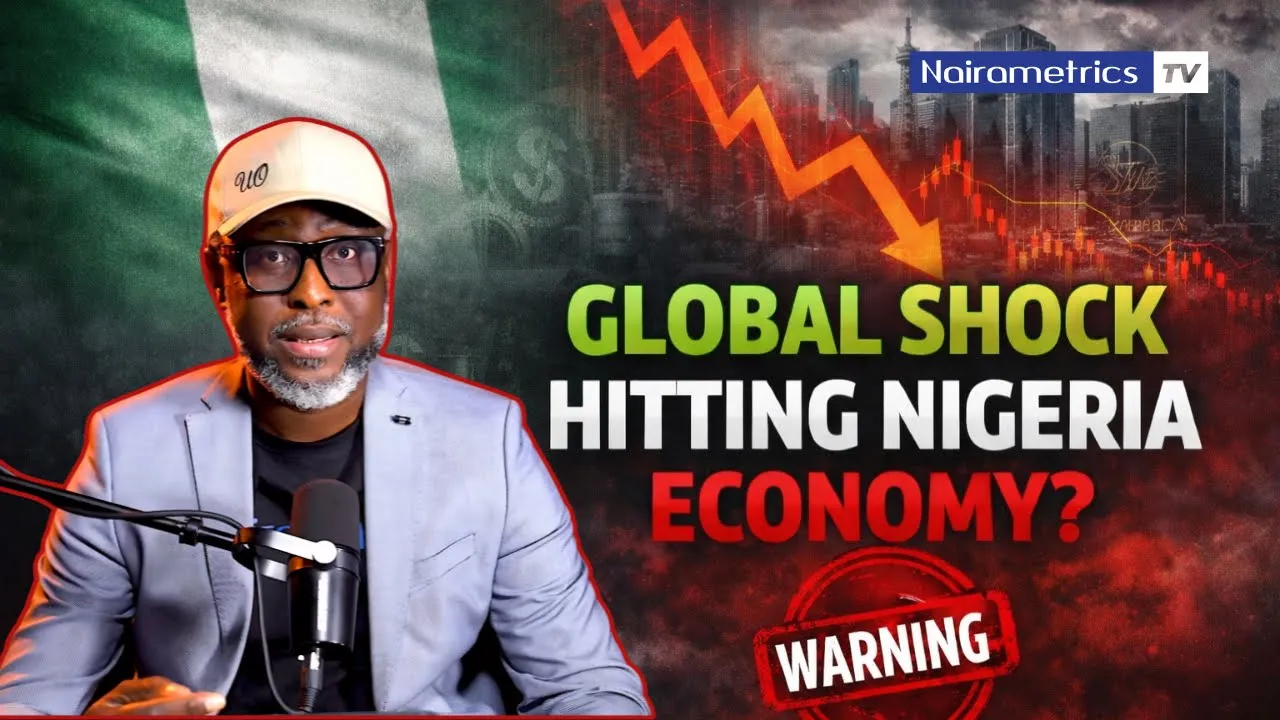
Money Brief host, Ugodre Obi-Chukwu, has raised fresh concerns over a looming economic crisis as inflation continues to weigh heavily on Nigerians and businesses.
He made this known while speaking on the Money Brief podcast, where he described inflation as a “deadly virus” and warned that its effects are already being felt across the economy.
His comments follow the latest inflation data showing a renewed rise in price pressures.
What he is saying
Obi-Chukwu expressed concern that Nigeria’s macroeconomic stability remains fragile despite earlier optimism about reforms.
- “These macroeconomic policies were hanging on a very thin thread,” he said, warning that rising energy costs and fiscal pressures could worsen the situation.
- Inflation is a deadly virus that you don’t want. I’ve been hearing that some organizations, particularly even hotels, for example, some of them shut down their generator at some point because they just can’t keep burning diesel.
He said most businesses use diesel for their manufacturing, and when costs rise sharply, organizations will increase their selling prices, and that passes through to customers.
- “Your money just won’t make sense because of inflation,” he added, describing inflation as a “monster” eroding purchasing power.
He noted that diesel prices have surged from around N1,000 to over N2,000 per litre in some areas, while petrol prices have risen above N1,200, intensifying cost pressures across the economy.
Get up to speed
Recent data from the National Bureau of Statistics highlights a renewed increase in inflation levels.
Headline inflation rose from 15.06% in February to 15.38% in March, a 0.32 percentage point increase. Month-on-month inflation jumped to 4.18%, up from 2.01% in February.
The twelve-month average inflation rate climbed to 20.05%, compared to 18.58% in March 2025. Urban inflation stood at 14.64% year-on-year, while rural inflation was higher at 17.22%.
The data shows that the pace of price increases accelerated in March, driven partly by global economic uncertainties and rising oil prices linked to tensions in the Middle East.
More insights
The Nairametrics CEO also highlighted policy challenges facing Nigeria’s economic managers, particularly the Central Bank of Nigeria (CBN).
- Persistent inflation may force the Central Bank to maintain high interest rates, making borrowing more expensive for businesses.
- Government borrowing is projected to increase, with fiscal deficits expected to rise from N23 trillion to nearly N30 trillion.
- Higher debt servicing costs could crowd out capital expenditure and limit economic growth.
He warned that oil revenues may largely go toward debt repayment rather than development spending.
Obi-Chukwu questioned the sustainability of economic growth, noting that weak consumer spending and constrained government expenditure could limit investment inflows.
What you should know
The impact of inflation is increasingly evident in the daily lives of Nigerians, particularly in urban areas.
Rising costs of living have made it harder for households to manage monthly expenses. For individuals earning around N300,000 monthly, housing remains the largest financial burden.
Inflation continues to affect essential expenses such as food, transportation, and energy. Ongoing economic reforms and exchange rate pressures are also influencing price levels.
These realities underscore the growing strain on households as inflation continues to shape Nigeria’s economic outlook.