Follow Us on Google Discover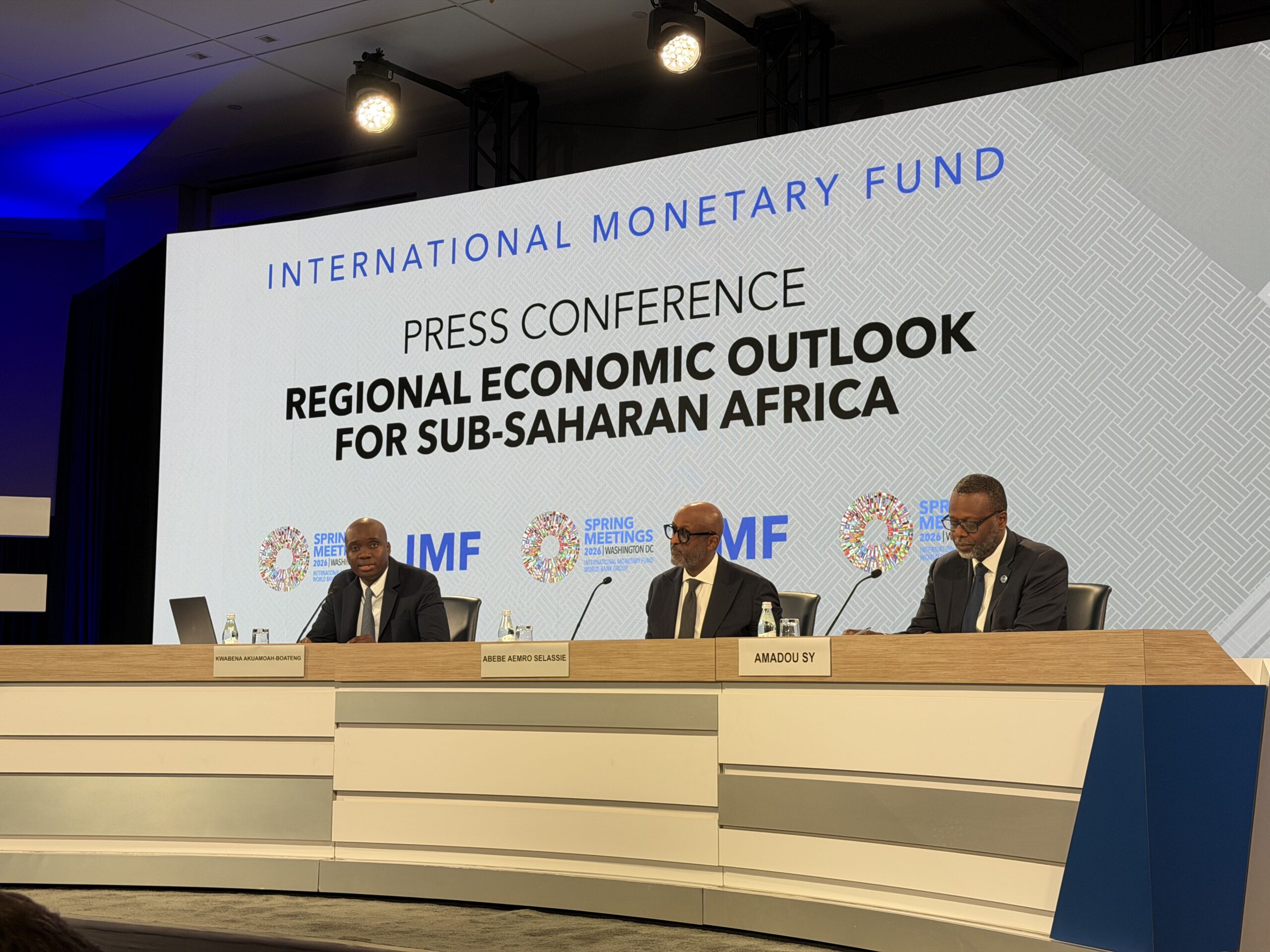
Nigeria must deploy targeted, disciplined, and reform-aligned policy responses to navigate a fresh cost-of-living squeeze triggered by the Middle East crisis, according to the International Monetary Fund (IMF).
Selassie noted that the African subregion entered the year 2026 with its strongest momentum in over a decade but is now grappling with surging energy and fertilizer prices, rising shipping costs, and tightening financial conditions linked to geopolitical tensions in the Middle East.
For Nigeria, the Fund acknowledged that recent reforms, particularly exchange rate adjustments, subsidy removals, and tighter monetary policy, helped drive stronger growth and improved fiscal balances in 2025.
However, these same reforms are now amplifying inflationary pressures as global shocks feed directly into domestic prices, intensifying the cost-of-living burden on households.
What the IMF is advising Nigeria:
The IMF’s guidance centres on balancing economic stability with urgent social protection, warning against policy reversals that could undermine credibility:
- Protect the most vulnerable: Deploy targeted and time-bound support rather than broad subsidies, ensuring relief reaches households most affected by rising food and transport costs.
- Anchor inflation expectations: Maintain a tight and credible monetary policy to prevent second-round inflation effects.
- Preserve reform momentum: Avoid abandoning structural reforms despite rising social pressures, as these are key to long-term stability.
- Prioritise spending: Safeguard critical social and development expenditure, even amid fiscal constraints.
- Boost domestic revenue: Strengthen tax administration, reduce exemptions, and leverage digitalisation to expand fiscal space.
On debt strategy, the Fund avoided prescribing a rigid borrowing mix but stressed that Nigeria must keep debt levels aligned with its repayment capacity while continuing liability management to extend maturities and reduce refinancing risks.
More insights:
The IMF acknowledged the growing tension between reform-driven stabilisation and worsening welfare conditions—a concern increasingly evident in Nigeria as fuel price pass-through and transport costs surge since the Middle East conflict escalated.
- While reforms have strengthened macroeconomic buffers, the Fund warned that governments now face difficult trade-offs.
- With limited fiscal space, interventions must be carefully calibrated to avoid derailing medium-term consolidation goals.
- The IMF emphasised that poorly targeted measures such as blanket tax cuts or broad subsidies could weaken already constrained public finances without effectively protecting the poorest.
Selassie specifically advised that Nigeria’s hard-won macroeconomic gains from recent economic and policy reforms, now under renewed pressure, should not be jeopardized instead, the government should deploy targeted and time-bound support rather than broad subsidies.
Get up to speed:
Across Sub-Saharan Africa, the Middle East conflict has triggered a cautiously optimistic but fragile economic outlook, causing reversals in outlook for the region.
- Growth accelerated to 4.5% in 2025—the fastest in over a decade—driven by improved policy frameworks and favourable external conditions.
- Inflation declined, fiscal deficits narrowed, and several countries recorded stronger external balances.
- However, the outlook for 2026 has dimmed, and growth revised down to 4.1%.
- Inflation is expected to rise to around 5%.
- External vulnerabilities are increasing, especially for oil-importing economies
The impact of the Middle East crisis is sharply uneven. Oil exporters may benefit from higher prices but face volatility risks, while oil importers—many of them low-income and fragile states—are contending with worsening trade balances and rising living costs.
What you should know
Compounding these pressures is what the IMF describes as a structural decline in official development assistance (otherwise known as foreign aid), which is now hitting the region’s most vulnerable economies hardest.
- Unlike before, aid cuts are no longer temporary, raising concerns about funding for essential services such as healthcare and food support.
- The Fund warned that a sharp rise in global food prices could have severe humanitarian consequences.
- Countries in already fragile regions, including the Sahel, face heightened risks from rising fertilizer costs, transport disruptions, and supply chain constraints.
In navigating this complex environment, the IMF’s message is clear: African governments, including Nigeria, must do more with less but more strategically, including:
- Reprioritizing spending toward high-impact areas.
- Improving efficiency in public expenditure.
- Accelerating structural reforms to unlock private sector growth.
- Deepening regional trade through the African Continental Free Trade Area.
Ultimately, the Fund argues that the resilience built over recent years provides a critical, if limited, buffer.
But preserving those gains will depend on policy discipline, targeted interventions, and sustained reform momentum in the face of mounting socio-economic pressures.