Follow Us on Google Discover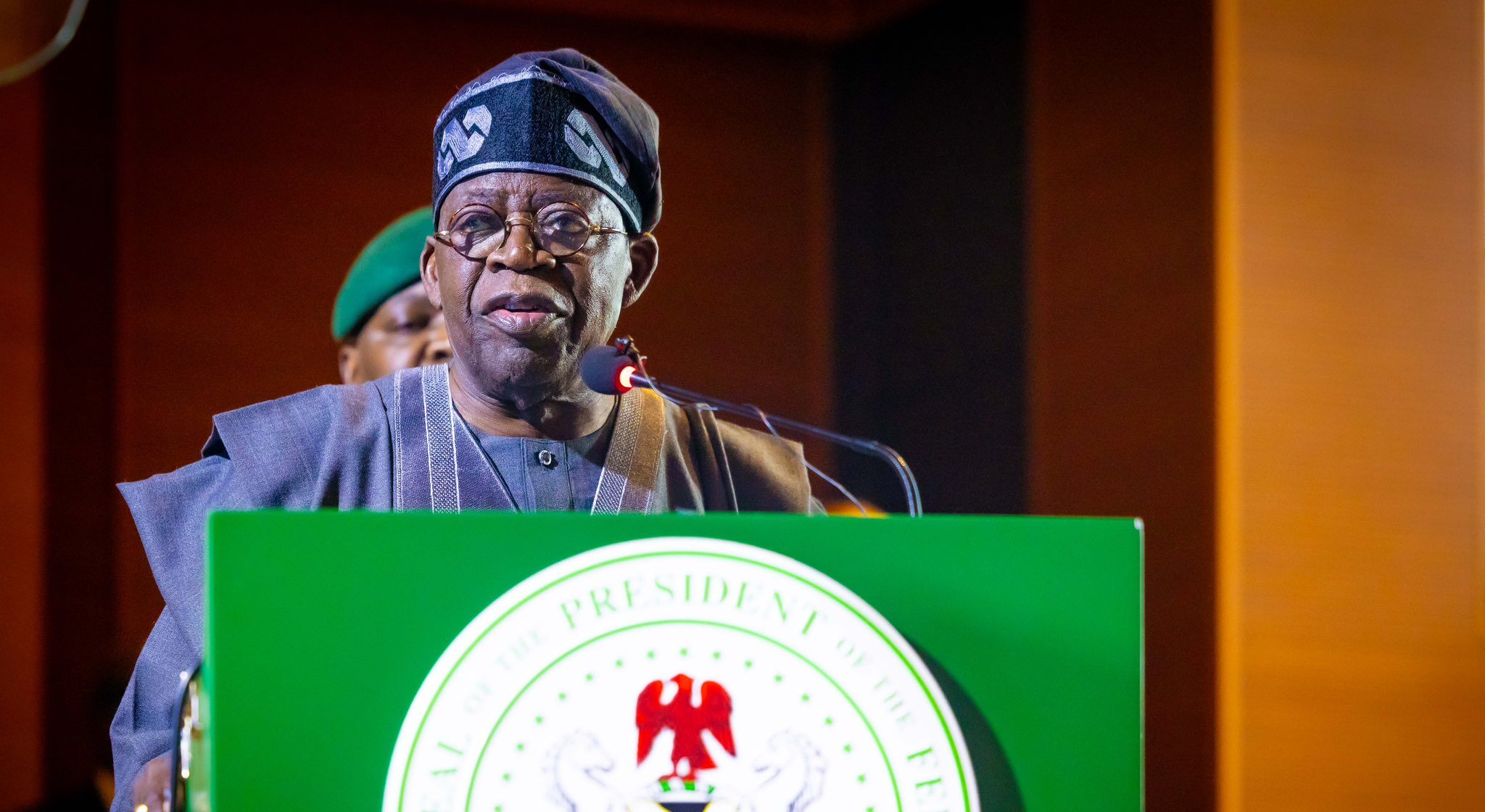
President Bola Tinubu has said that Nigeria’s colonial-era tax laws contributed to poverty by creating fragmentation, multiplicity, and inconsistencies.
He assured that ongoing reforms will drive prosperity and inclusivity.
This is according to a statement by presidential spokesperson, Bayo Onanuga, following the commissioning of the 16-storey Nigeria Revenue Service (NRS) Headquarters in Abuja on Tuesday.
Tinubu noted that the new tax system is designed to be people-centred and investment-friendly, aimed at strengthening the country’s fiscal framework.
Also Read
What the president is saying
Tinubu said the newly implemented tax reforms are intended to address longstanding structural weaknesses in the economy.
- “On my inauguration day, I made a solemn pledge that we will move Nigerians from the dimness of uncertainty into the clear light of renewed hope. I committed to confronting structural weaknesses, restoring financial stability, and building an economy anchored in discipline, equity, and opportunity,” he said.
- “No serious nation can achieve lasting prosperity on a weak and fragmented revenue system. That is why this administration took the bold decision to embark on far-reaching tax and fiscal reforms.”
He added that the reforms are designed to simplify the tax system, eliminate distortions, and create a transparent and investment-friendly environment.
Get up to speed
Nigeria recently implemented new tax laws aimed at overhauling its fiscal framework.
The Nigerian Tax Act and the Nigerian Tax Administration Act came into effect on January 1, 2026.
- The rollout faced concerns from lawmakers over alleged alterations to the gazetted versions.
- The government initially set March 31 as the deadline for filing personal income tax returns.
- The Lagos State Internal Revenue Service later extended the deadline to April 21 due to increased activity on its eTax platform.
The extension was aimed at accommodating taxpayers amid heightened compliance.
More insights
Tinubu said the reforms also involve strengthening institutional capacity within the revenue system.
He noted that the NRS has been repositioned as a data-driven revenue hub.
The system is designed to be responsive to citizens’ needs, particularly vulnerable groups.
The reforms aim to reward enterprise and support economic growth.
He emphasised that taxpayers should see value for their contributions through improved governance.
The president also highlighted the completion of the NRS headquarters within 30 months, describing it as a milestone in rebuilding public institutions.
What you should know
Recent developments around the tax reforms have generated public debate.
- Reports suggested that the Minister of State for Finance acknowledged errors in the new tax framework.
- However, the Presidential Fiscal Policy and Tax Reforms Committee denied the claims.
- The committee described the reports as a misrepresentation of the minister’s position.
The clarification underscores ongoing scrutiny of the new tax regime as implementation progresses.