Follow Us on Google Discover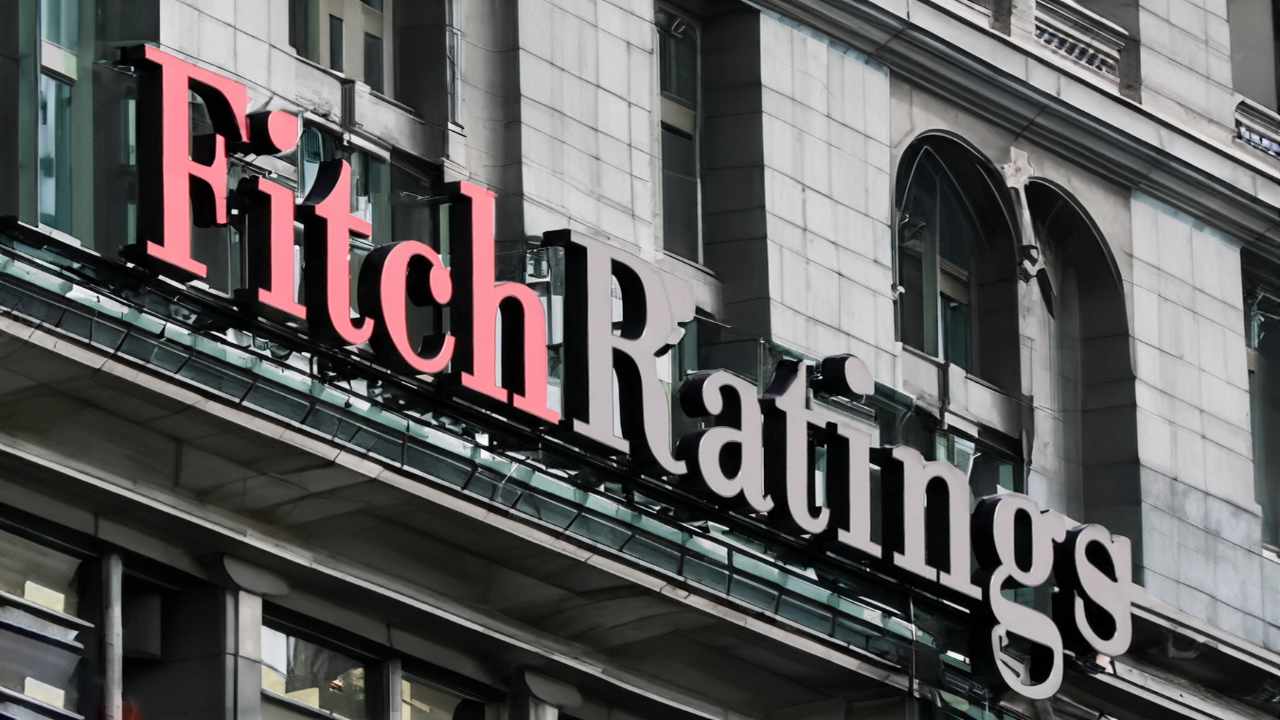
Fitch Ratings has projected that Nigeria’s foreign exchange reserves will decline to $47 billion by the end of 2026, despite ongoing reforms aimed at stabilising the economy.
The rating agency disclosed this in a statement sent to Nairametrics, where it also affirmed Nigeria’s Long-Term Foreign Currency Issuer Default Rating (IDR) at ‘B’ with a Stable Outlook.
Fitch said the rating reflects Nigeria’s large economy, liquid domestic debt market, and improvements in its monetary and exchange rate framework.
What the rating agency is saying
Fitch noted that while reserves have strengthened significantly in recent months, they are expected to face pressure.
It says gross FX reserves rose to USD49.4 billion at the end of March 2026, from USD32 billion in mid-April 2024.
- “We forecast a marginal decline to USD47 billion at end-2026, reflecting higher spending pressures and external risks.
- “However, we expect reserves to cover seven months of current external payments, well above the ‘B’ median of 4.3 months.”
The agency added that recent Central Bank of Nigeria reforms have supported market normalisation and relative naira stability.
Fitch, however, warned that fiscal pressures and external vulnerabilities could drive modest currency depreciation in the near term.
Get up to speed
Nigeria’s external reserves have seen significant fluctuations in recent months.
Gross reserves rose to $50.45 billion in February 2026, the highest level in over a decade. The Central Bank of Nigeria said this provided an import cover of 9.68 months for goods and services.
However, reserves declined to $48.85 billion as of April 9, 2026. The drop follows earlier gains, raising concerns about sustainability.
Despite this trend, the CBN projects reserves will increase to $51.04 billion in 2026 from $45.01 billion in 2025.
More insights
Fitch highlighted several structural challenges that could impact Nigeria’s economic outlook.
The agency expects the budget deficit to widen to nearly 5% of GDP in 2026. Revenue is projected to rise modestly to about 11% of GDP, below the ‘B’ category average.
Inflation is forecast to average 16% in 2026, down from 23% in 2024 but still elevated. Real GDP growth is expected to remain steady at 4.1%, supported by oil sector expansion.
Fitch also pointed to improvements in the banking sector following recapitalisation, although governance concerns remain a constraint on Nigeria’s credit profile.
What you should know
Fitch has maintained a cautious stance on Nigeria’s credit outlook despite ongoing reforms.
In October 2025, the agency affirmed Nigeria’s rating at ‘B’ with a Stable Outlook.
It cited improved foreign exchange liquidity and policy reforms as positives. However, it flagged persistent inflation, weak revenue mobilisation, and security challenges as key risks. Governance indicators also remain below global benchmarks.
The latest projection underscores the delicate balance between reform-driven gains and ongoing fiscal and external pressures facing Nigeria’s economy.