Follow Us on Google Discover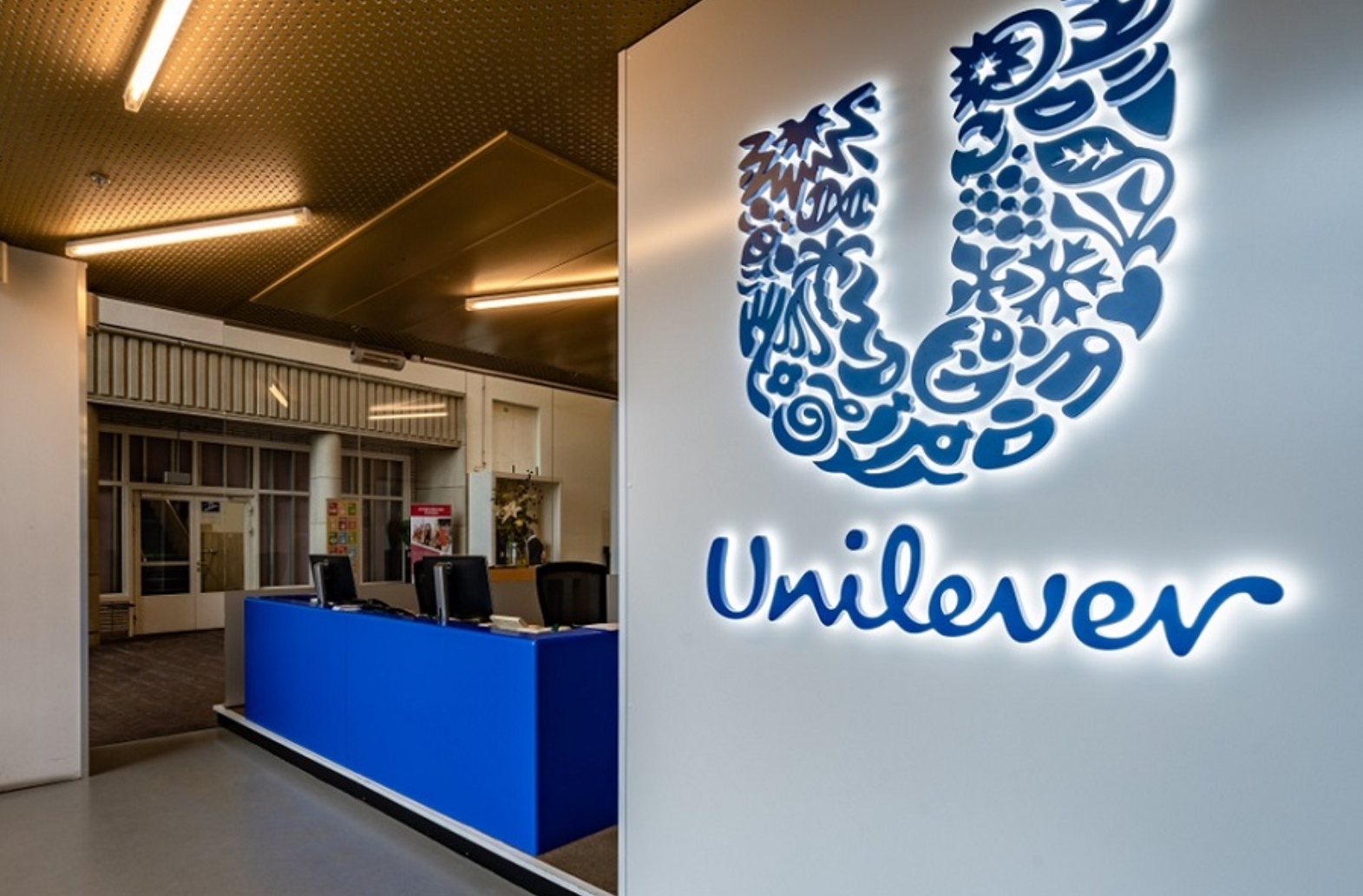
Unilever Nigeria Plc has disclosed a major global transaction involving its parent company, Unilever Plc, which plans to combine its global foods business with McCormick & Company, Inc.
The disclosure was made in a filing with the Nigerian Exchange (NGX) dated April 8, 2026 and signed by the Company Secretary, Peter Dada, following an earlier announcement by the parent company on March 31.
The proposed deal, which remains subject to regulatory approvals and customary closing conditions, signals a strategic shift in Unilever’s global portfolio while raising questions about its implications for the Nigerian subsidiary.
What they are saying
Unilever Nigeria stated that it is currently evaluating the specific impact of the global merger on its local operations and corporate framework. The company added that no immediate changes have been implemented pending further direction from the parent entity.
- “The Company is currently evaluating the specific impact of the global transaction on its Nigerian operations and corporate structure.”
- “No immediate changes have been made at this stage, pending further guidance from the parent company.”
- “Detailed information regarding the transition process and timeline will be communicated to the Nigerian Exchange and shareholders once available.”
The company emphasized its commitment to transparency, noting that stakeholders will be updated as the global transaction progresses through its approval stages.
More insights
Beyond the proposed global merger, Unilever Nigeria’s recent financial and operational data provide additional context about its current position and resilience. The company continues to navigate macroeconomic pressures while maintaining strong profitability and investing in sustainability initiatives.
- The company secured a $1.62 million loan from Wecyclers Outcomes Partnership Limited, a UK-based sustainability financing partner, tied to waste recovery and recycling objectives between 2023 and 2028 at a 5% annual interest rate.
- It deployed foreign exchange risk management tools such as funded forwards and letters of credit to hedge exposures and maintain access to critical raw materials.
- For the 2025 financial year, pretax profit rose by 128.4% year-on-year to N51.7 billion, while revenue increased to N214.3 billion from N149.5 billion in 2024.
- The Foods segment alone generated N127.8 billion in revenue, underscoring its importance to the company’s overall business performance.
- Consequently, the board declared a final dividend of N3.25 per 50 kobo ordinary share, totaling N18.6 billion, payable on Friday, May 8, 2026, to registered shareholders.
These figures highlight Unilever Nigeria’s strong local market base, with domestic sales accounting for 98.8% of total revenue and reinforcing its dependence on the Nigerian consumer market.
What you should know
The proposed merger between Unilever Plc’s foods division and McCormick represents a significant development in the global consumer goods industry, particularly within the flavours, condiments, and seasonings segment.
- The combination is expected to create a more specialized entity with enhanced scale and capabilities.
- McCormick is globally recognized for its leadership in spices and flavour solutions, which could strengthen the competitive positioning of the combined business.
- Analysts suggest that the deal may influence Unilever Nigeria’s product portfolio, supply chain arrangements, and long-term growth strategy.
- The company’s stock closed at N103.40 on April 8, 2026, reflecting a 43.6% year-to-date gain from its opening price of N72.00, ranking it 44th on the NGX.
- Any eventual restructuring or strategic shift could affect market competition, pricing dynamics, and shareholder value in Nigeria’s consumer goods sector.
While no immediate local impact has been confirmed, the ongoing review signals that Unilever Nigeria may undergo strategic adjustments depending on how the global transaction unfolds.