Follow Us on Google Discover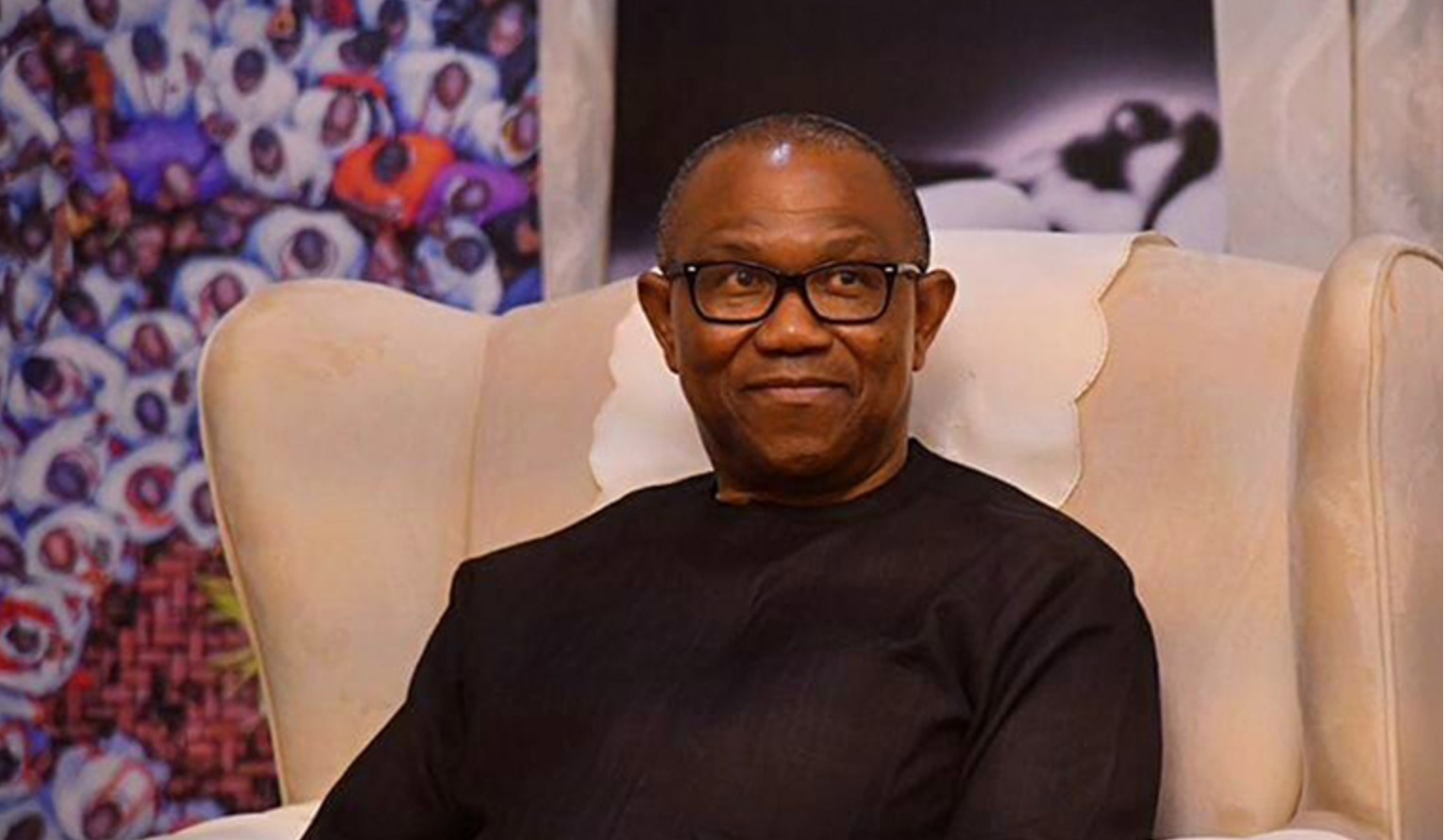
Peter Obi, former Governor of Anambra State, has challenged the administration of President Bola Tinubu over what he described as repeated approval of funds to settle debts in Nigeria’s power sector, raising concerns about transparency and execution.
Obi said this in a post he made on X, formerly Twitter, on Tuesday, April 7, 2026.
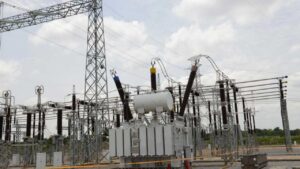
The development comes days after the Federal Government of Nigeria announced that it has approved N3.3 trillion for debt settlement in the country’s power sector.
What Obi is saying
Obi claimed that it is not the first time the administration of Tinubu has announced approvals to settle debts in the power sector.
Also Read
- “In the past few days, the President has reportedly approved N3.3 trillion as a ‘full and final’ payment for debts in the power sector. Yet, this is not the first time such approvals have been made,” Obi said.
The former presidential candidate of the Labour Party in the last general election then hinted at other announcements purportedly made for similar debt settlements in the same sector.
- “On May 17, 2024, N3.3 trillion was approved for the same purpose. On July 25, 2024, another N4 trillion bond was approved to settle similar debts. There have also been other approvals in between, all targeted at addressing the same power sector liabilities. This raises a fundamental question: were the previous approvals mere announcements without execution?” he asked.
Obi added that Nigeria must move beyond recycled announcements and confront the power sector crisis with sincerity, transparency, and decisive reforms.
- “Is the N3.3 trillion approved on April 6, 2026, the same as the N3.3 trillion approved in May 2024, and how does it relate to the N4 trillion bond approved in July 2024?”
Get up to speed
On April 5, Nairametrics reported that Tinubu approved a N3.3 trillion payment plan to settle longstanding debts in Nigeria’s power sector under the Presidential Power Sector Financial Reforms Programme.
- However, further checks revealed that there have been similar approvals to clear debts in the sector, including the N6.8 trillion owed to power generation companies (GenCos), which has repeatedly affected gas supply and electricity generation.
- For instance, in October 2025, the Federal Government said it had concluded implementation frameworks for a N4 trillion government-backed bond aimed at settling verified arrears owed to GenCos and gas suppliers.
Earlier in July 2025, there were also reports of an approved payment plan to clear outstanding debts estimated at N3.3 trillion.
More insights
Obi, who recently joined the African Democratic Congress (ADC) and is reportedly gearing up to contest in the next presidential election, also referenced Tinubu’s campaign promise on electricity.
While alleging that government institutions and agencies, including the Presidential Villa, account for a significant portion of the debts, Obi questioned the funding source for the new settlement.
- “Why then were these obligations not settled when due? And from what source will this new payment be made? Are we resorting once more to borrowing to service inefficiencies?”
What you should know
Although the new settlement is said to cover debts accumulated over a 10-year period and is being implemented in phases to ensure transparency and accountability, Nigeria’s power sector continues to face persistent challenges.
- On January 23, 2026, the grid suffered its first collapse of the year, followed by another just five days later, plunging large parts of the country into darkness.
- This trend mirrors developments in 2025, when several grid failures were recorded, as well as in 2024 when the grid reportedly collapsed at least 12 times.
Despite government claims that reforms have attracted about $2 billion in investments and reduced sector liabilities, the recurring debt settlements and grid instability continue to raise questions about the effectiveness of ongoing interventions and their impact on reliable power supply for Nigerians.