Just 20 years ago, Nigerian women were largely absent from top global leadership positions.
Fortune reported that in 2005, only eight women were leading Fortune 500 companies, representing as few as 1.6% of CEOs.
At the time, the number of women on corporate boards in Nigeria was also single-digit.

There were virtually no Nigerian women holding Class A roles in major multinationals or cutting the mustard in any leadership positions in global institutions.
More than 20 years on, as women globally are making waves, Nigerian women have not been left out. Women of Nigerian descent are not merely bystanders; they are now in charge, from the boardroom of the World Trade Organization, the United Nations, World Health Organisation execs league.
In 2026, women hold over 10% of Fortune 500 CEO roles, while Nigerian female decision-makers have now risen to over 30%. The country is now seeing a visible cohort of Nigerian women occupying senior decision-making positions across global firms and multilateral organisations.
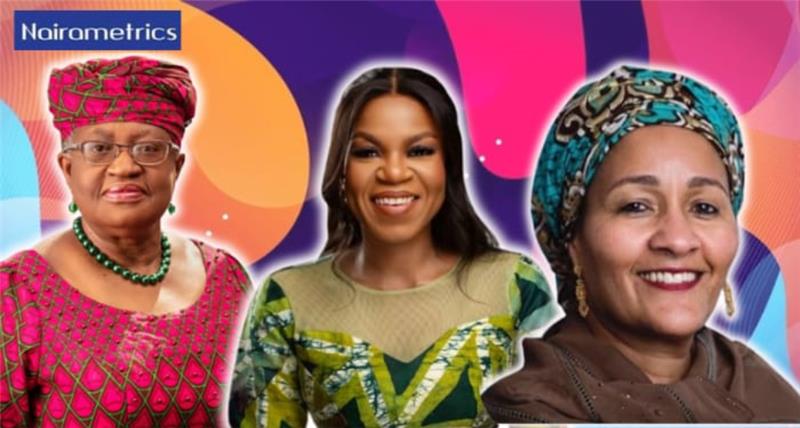
In celebration of Women’s Month, Nairametrics spotlights 7 of the most powerful women of Nigerian descent operating actively on a global stage today. Their work reflects the growing influence of Nigerian women in global decision-making and institutional leadership.
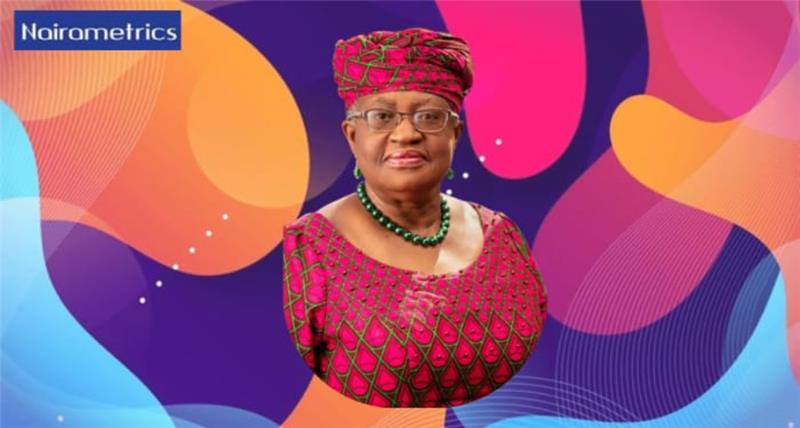
Dr Ngozi Okonjo-Iweala is a woman of many firsts and a perfect example of what it means to hold global power with intellectual precision and moral authority. She is now based in Geneva, Switzerland, but was born in Delta State, Nigeria.
She was trained at Harvard and MIT and became the first woman and the first African to serve as Director-General of the World Trade Organization, assuming office in March 2021. It was no surprise that she was overwhelmingly reappointed to a second four-year term in late 2024.
- Dr. Okonjo-Iweala is the first female Minister of Finance in Nigeria, serving two terms from 2003 to 2006 and 2011 to 2015
- She briefly acted as Foreign Affairs Minister in 2006, making her the first woman to hold either or both roles.
- Forbes ranked her 92nd on its 2025 list of the World’s 100 Most Powerful Women.
- She was not only the first woman but also the first African to lead the WTO, and is expected to remain at the office until August 31, 2029.
The PhD holder in Regional Economics from MIT has been known to spearhead and implement reforms that have shaped both her country and the international fiscal architecture. Before she was appointed WTO Director-General, she was at the World Bank, where she rose to become Managing Director of Operations, the institution’s No. 2 position, after a 25-year career.
She has presided over some of the most turbulent chapters in the history of global trade, including pandemic-era supply chain collapses and the renegotiation of international agriculture agreements. The 71-year-old thought leader has received honorary degrees from 21 universities worldwide and is widely regarded as one of the most respected economists of her generation.
The Bigger Picture
The women profiled here are not outliers. They are only a few among the great women from Nigeria who are adding real value to the global leadership conversation and justifying why the world needs more of them.
Also, as we celebrate women’s month, this spotlight is a statement of intent that Nigerian women are excelling above sector, upbringing, or family background.
In this generation, global excellence for women is not a story about a single sector or a single country. It is a global story that cuts across different walks of life. From health to banking, international development to development economics. Women of Nigerian descent are becoming the main characters of global positive change.