Follow Us on Google Discover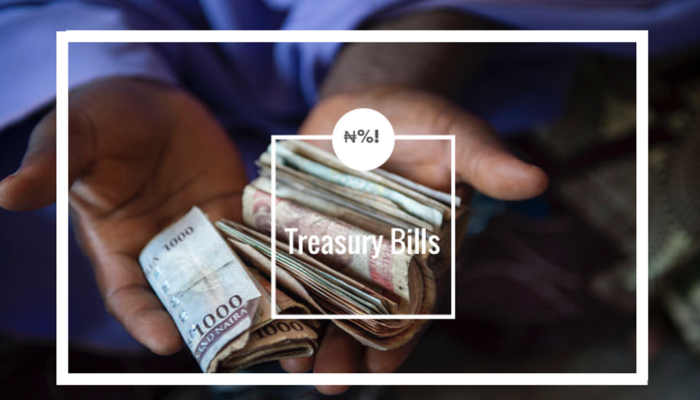
Treasury bills and Open Market Operations (OMO) maturities are expected to boost liquidity in Nigeria’s financial system by an estimated N2.31 trillion this week, beginning Monday, March 23, 2026, according to the Financial Markets Dealers Association (FMDA).
The projection was contained in the FMDA Weekly Market Snapshot published on Monday, March 23, 202, based on data from dealing members across commercial banks and other authorised financial institutions.
The anticipated inflows represent a sharp increase from the N1.35 trillion recorded in the previous week, pointing to stronger liquidity conditions in the near term.
The report also noted that average system liquidity rose by 19.35% to close at N7.56 trillion last week, with expectations that liquidity levels will remain elevated unless the Central Bank of Nigeria (CBN) intervenes through mop-up operations. This development suggests a continued expansionary liquidity environment driven largely by maturing government securities.
Also Read
What the data is saying
The surge in expected inflows is primarily driven by maturing securities, especially OMO bills and Treasury bills. The report highlights that these instruments account for the bulk of liquidity injections anticipated this week.
- “All else being equal, liquidity may increase further, with about N2.31 trillion projected to flow in from maturing securities this week,” the report stated.
- OMO maturities are estimated at N1.44 trillion, representing about 62% of the total projected inflows.
- Treasury bills maturities rose to N697.85 billion, up from N470.01 billion recorded in the previous week.
- Inflows from maturing Federal Government of Nigeria (FGN) bonds are projected at N160.47 billion, more than double the N78.85 billion recorded previously, while commercial paper maturities stand at N12.76 billion.
Overall, these inflows are expected to significantly boost liquidity in the financial system, reinforcing already elevated levels observed in recent weeks.
More insights
Recent trends indicate a shift in monetary operations, with fewer aggressive liquidity mop-up activities by the apex bank. This has contributed to the expansionary liquidity environment currently observed in the market.
- “The moderation in OMO activity may reflect an effort to manage sterilisation costs, as lower mop-up could reduce the interest burden on outstanding liabilities,” the FMDA report stated.
- The N7.56 trillion liquidity level suggests that the CBN may have slowed OMO issuance to limit the cost of managing excess liquidity.
- Reduced intensity of OMO auctions points to a more cautious and cost-sensitive monetary policy stance.
- Despite the liquidity surge, interbank rates have remained broadly stable due to the ample availability of funds in the system.
This balance between elevated liquidity and stable interbank rates indicates that while funds are abundant, market stability has not been disrupted, at least for now.
What you should know
Inflows from maturing government securities, such as OMO bills and Treasury bills, play a crucial role in shaping liquidity conditions in Nigeria’s financial system. These maturities inject funds into the banking system, influencing short-term interest rates and overall market stability.
- Sustained high liquidity typically leads to lower interbank borrowing costs, easing funding conditions for banks.
- Elevated liquidity may, however, prompt the CBN to conduct mop-up operations to control inflationary pressures and stabilize the exchange rate.
- Nairametrics reported system liquidity of N8.06 trillion at the weekend citing available data from CBN.
- Any aggressive intervention by the apex bank could quickly reverse the trend by tightening liquidity conditions.
With banks currently flush with funds, interbank market pressures are expected to remain subdued in the short term, unless offset by significant liquidity tightening measures from the CBN.