Follow Us on Google Discover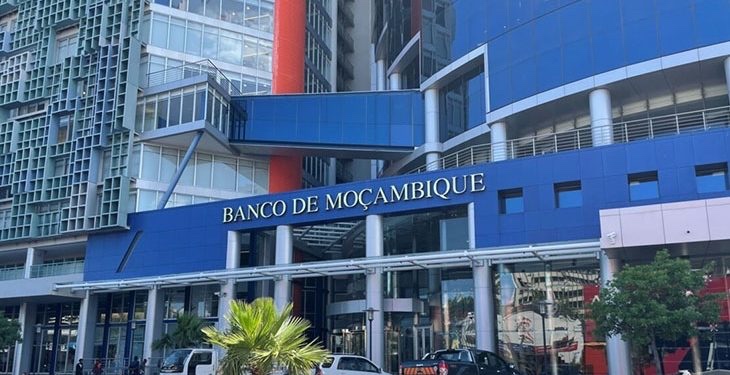
Mozambique’s central bank has paused a record streak of interest rate cuts, keeping its benchmark rate at 9.25% as rising government debt and global geopolitical tensions cloud the country’s inflation outlook.
Governor Rogerio Zandamela announced the decision in Maputo, the capital.
According to Bloomberg, this marks the first meeting since November 2023 in which the bank did not reduce rates, following a steady decline from 17.25%.
What the apex bank is saying
The Banco de Moçambique highlighted concerns over inflationary pressures stemming from both domestic and international factors.
- The bank said while the impact of the Middle East conflict is expected to remain limited under a short-lived scenario, prolonged tensions could raise energy prices and strain Mozambique’s external accounts.
- Post-election unrest, severe flooding—the worst in at least 25 years—and the closure of an aluminium plant that accounted for one-fifth of export earnings have all weighed on the economy.
- Rising fuel and fertilizer costs, which Mozambique imports entirely, are expected to add further pressure on local prices.
Governor Zandamela emphasized that maintaining the benchmark rate is part of a cautious approach to preserve macroeconomic stability amid uncertain conditions.
Backstory
Mozambique’s economy has faced significant challenges in recent years, from climate shocks to industrial disruptions.
- Annual inflation has remained below 5% since the end of 2023, but early signs of rising local prices prompted caution.
- The International Monetary Fund (IMF) in February advised the government to allow for greater exchange rate flexibility, signaling concerns over potential currency pressures.
- The central bank’s rate-holding decision contrasts with previous aggressive cuts aimed at stimulating growth after prolonged economic shocks.
The move demonstrates the balance Mozambique is seeking between supporting recovery and controlling inflation.
What you should know
Other African central banks are adopting varying monetary strategies amid global uncertainties:
- The Bank of Uganda (BoU) maintained its benchmark Central Bank Rate at 9.75% in February, continuing an accommodative stance amid a stable inflation outlook.
- The Bank of Zambia reduced its rate for the second consecutive meeting, cutting it to 13.5% from 14.25% as inflation moderates.
- The Central Bank of Nigeria (CBN) lowered its Monetary Policy Rate to 26.5% from 27% in response to declining inflationary pressures.
- The asymmetric corridor around the MPR was adjusted to +250/-250 basis points from +500/-100.
- South Africa’s annual consumer inflation eased to 3% in February 2026, aligning with the central bank’s target and marking a decline from the 3.5% recorded in January.
Nigeria’s headline inflation stood at 15.06% in February 2026, slightly down from 15.10% in January.
These divergent approaches reflect the varying economic conditions and policy priorities across the continent, particularly as countries contend with the impact of rising global energy costs linked to the Iran conflict.