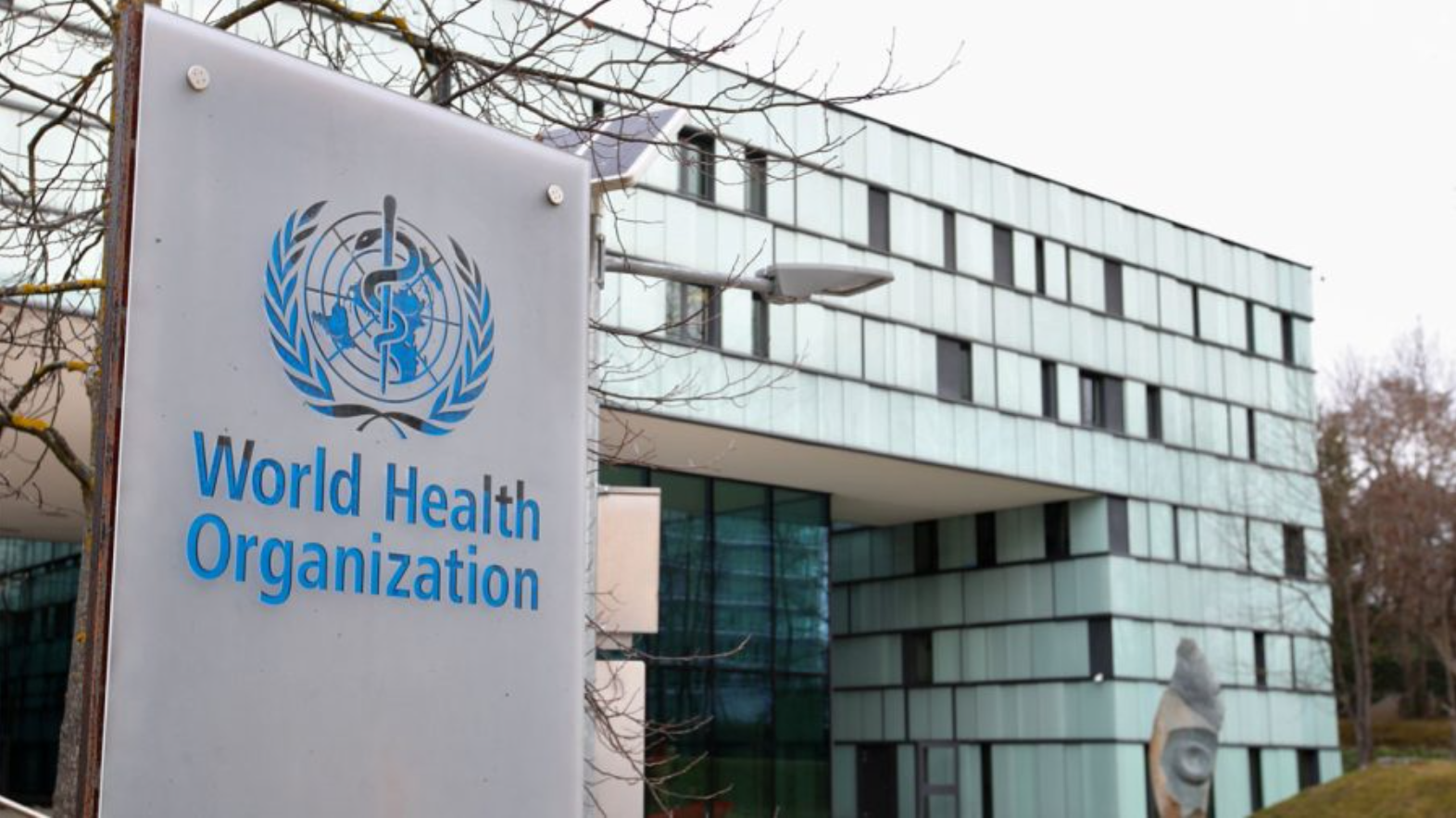
The World Health Organization (WHO) has warned of growing health risks following reported strikes near key nuclear facilities in Iran and Israel.
The warning was issued by WHO Director-General Tedros Adhanom Ghebreyesus on Sunday, March 22, via his X account.
He urged all parties involved in the conflict to exercise maximum restraint, cautioning that attacks near nuclear infrastructure could pose severe threats to public health and environmental safety.


What Ghebreyesus is saying
Ghebreyesus emphasised that the situation has reached a dangerous point, with military actions now occurring close to sensitive nuclear sites.
- “The war in the Middle East has reached a perilous stage with strikes reportedly hitting the Natanz Enrichment Complex in Iran, and the Israeli city of Dimona, where a nuclear facility is located.”
He added that global monitoring bodies are assessing the situation, even as concerns grow about potential fallout from such attacks.
- “The International Atomic Energy Agency is looking into incidents… No indications of abnormal or increased off-site radiation levels have been reported. Attacks targeting nuclear sites create an escalating threat to public health and environmental safety.”
He also highlighted preparedness efforts while reiterating the need for de-escalation.
- “Since the outbreak of hostilities, WHO has provided critical training… I urgently call on all parties to exercise maximum military restraint and avoid any actions that could trigger nuclear incidents… Peace is the best medicine.”
More insights
As the war enters its fourth week, targets that initially appeared limited to conventional military assets have increasingly expanded to include high-risk infrastructure such as nuclear-linked sites.
- On March 21, Iran stated that U.S. and Israeli forces struck its Natanz enrichment complex, though it maintained that there was no radioactive leakage at the Shahid Ahmadi Roshan facility.
- In what appeared to be retaliation, Iran launched missile strikes on two southern Israeli towns near a nuclear research facility located about 13 kilometres from Dimona.
While the International Atomic Energy Agency (IAEA) said it has not detected damage to the facility, Israeli emergency officials reported that more than 160 people were injured, some seriously.
What you should know
Checks by Nairametrics indicate that the Natanz Enrichment Complex is currently “temporarily closed” amid the ongoing conflict.
Natanz is Iran’s primary uranium enrichment facility and a cornerstone of its nuclear programme. Any successful strike on the site could trigger radioactive contamination with far-reaching environmental and humanitarian consequences.
In June last year, the United States carried out strikes targeting key Iranian nuclear facilities, including Fordow, Natanz, and Isfahan. At the time, U.S. President Donald Trump claimed Iran’s nuclear programme had been “obliterated.”
However, Iranian officials disputed the extent of the damage, with Mehdi Mohammadi, an adviser to the parliament speaker, stating that critical components had been moved ahead of the strikes.
- “The site has been evacuated for a long time and has not suffered irreversible damage… knowledge is not bombarded,” he said.
The latest warning from WHO highlights the increasing risk that continued escalation could push the conflict into a far more dangerous phase with global consequences.