Follow Us on Google Discover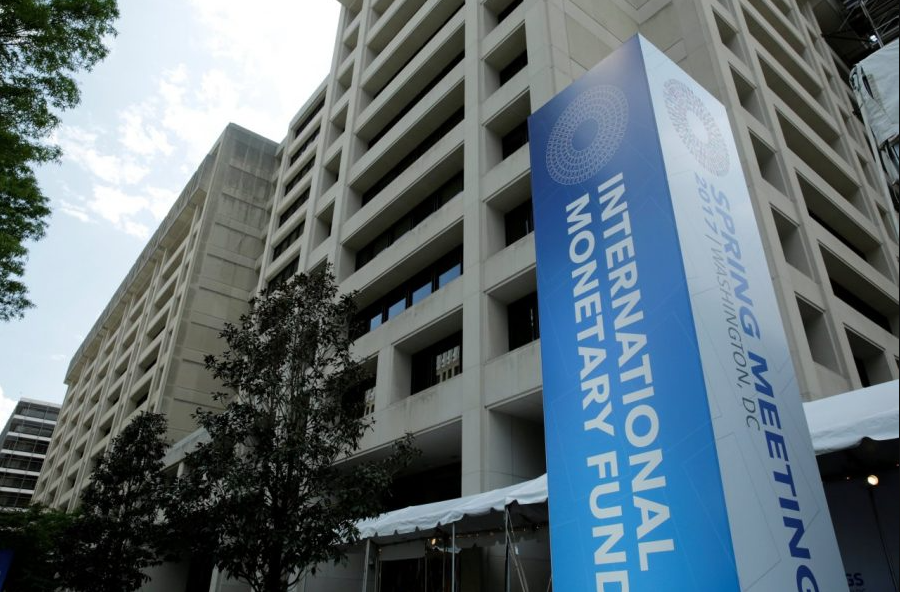
The International Monetary Fund on Thursday warned that prolonged increases in energy prices could drive inflation and lower growth globally.
The spokesperson for the IMF, Julie Kozack, told reporters that the conflict had already resulted in significant disruptions to seaborne oil and natural gas shipments, sending crude oil prices up by more than 50% to over $100 a barrel.
This is according to a Reuters report on Thursday.
What they are saying
Kozack stated that the global lender had not received any formal requests for emergency financing but stood ready to help member countries where necessary.
She said IMF officials were engaging actively with finance ministers and central bankers from member countries, as well as with regional institutions.
Kozack said the overall impact of the war would depend on its duration, intensity, and extent.
She cited an IMF “rule of thumb,” which held that every 10% increase in energy prices, if sustained for about a year, would result in a 40-basis-point increase in global inflation and a drop in output of 0.1% to 0.2%.
More insights
She warned that if oil prices remain over $100 for a year, that would translate into significant impacts on inflation and global economic output.
- Central banks, she said, should remain vigilant in the wake of rising energy prices, with a careful eye on whether inflation was expanding beyond energy prices and whether inflation expectations were remaining well anchored.
- She said the IMF’s preliminary assessment was that the war would weaken growth in Gulf Cooperation Council (GCC) countries but gave no specifics.
Much would depend, she noted, on the countries’ ability to resume exports of oil and gas supplies.
Backstory
The IMF, earlier in March, expressed concern over rising energy prices and disruptions to global trade caused by the crisis in the Middle East.
The IMF said this on March 3, 2026, in a publication on its website when the war entered its fourth day.
The body said it was closely monitoring the situation but warned that the conflict would add to global economic uncertainties.
- “The situation remains highly fluid and adds to an already uncertain global economic environment. It is too early to assess the economic impact on the region and the global economy. That impact will depend on the extent and duration of the conflict,” the statement said.
What you should know
The global economy faces profound risks from tensions in the Middle East.
- The IMF will include the impact of the war in its updated global economic outlook, to be released in mid-April during the IMF-World Bank Spring Meetings.
- The escalation in the region began on Saturday, February 28, 2026, when the US and Israel launched strikes on Iranian cities, triggering explosions and smoke in Tehran and other locations.
The crisis has negatively impacted global crude supply, as price spikes continue to cause disruptions in the petroleum market.