Follow Us on Google Discover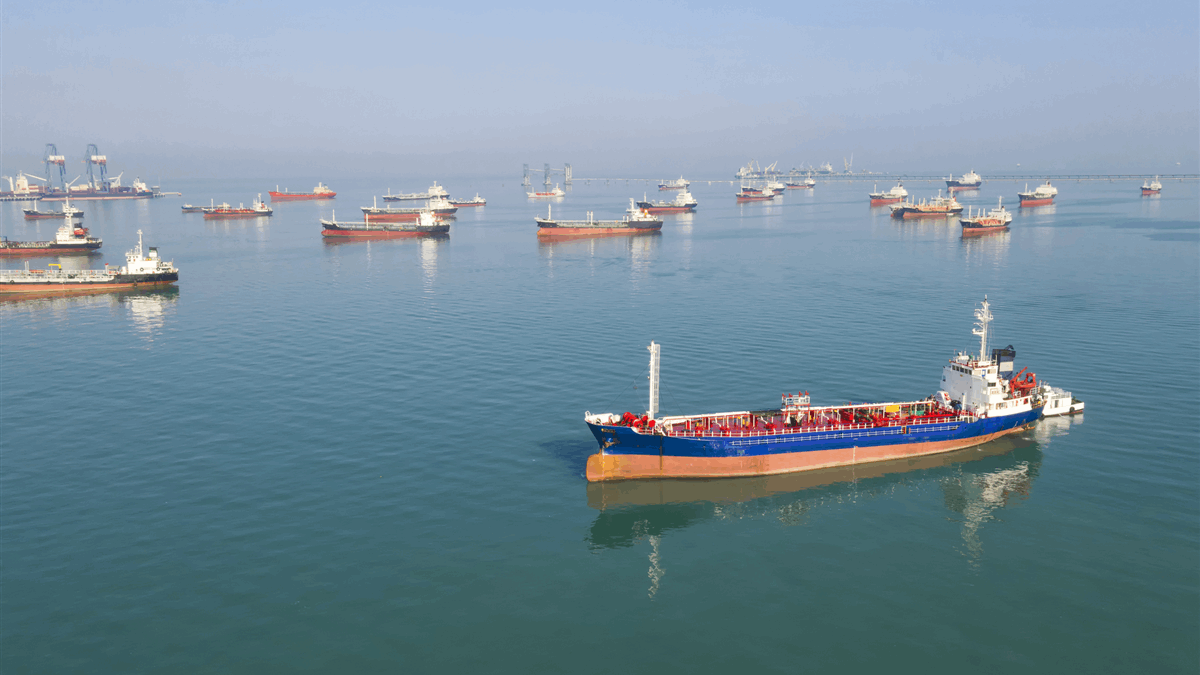
Importers across the Gulf are scrambling to secure alternative routes for vital goods as the effective closure of the Strait of Hormuz blocks ports in an import-dependent region.
According to a Reuters report on Monday, importers of food, medicines, and factory supplies stranded by the strait blockade are considering land routes.
The halt to commercial navigation through the critical shipping chokepoint, brought on by the United States-Israeli war on Iran, has disrupted Gulf nations’ oil exports, roiling global energy markets.
What the report is saying
The closure is also forcing a rapid and costly supply-chain rethink to maintain the flow of essential imports, with logistics companies racing to overcome the headaches of changing vessel destinations, moving goods overland, and keeping perishable items from spoiling.
Also Read
- “The price of supplies will go up quite dramatically,” said Ronan Boudet, head of containers at data analytics firm Kpler.
- “Trucking from any port to Dubai would probably be multiple times the price of ocean freight,” he added.
More insights
According to Kpler, 81 container vessels were bound for ports inside the Strait of Hormuz on February 28, just before the war erupted.
- Since then, 43 have rerouted to other Gulf ports, with the rest diverted away from the Gulf region entirely.
- Due to its arid climate, the bulk of the Gulf’s food is imported, with around 70% passing through the Strait of Hormuz and onwards to major ports like Dubai’s Jebel Ali.
While the blockage has affected all imports, including consumer and industrial goods, food supplies are particularly vulnerable.
As an example, Christophe Belloc of French fruit and vegetable industry association Interfel pointed to shipments totalling around 5,000 metric tons of French apples bound for Dubai but currently stuck in transit.
The goods were hit with a €900,000 ($1 million) maritime surcharge in the first days of the war. The exporters, including Belloc’s own company Blue Whale, are now attempting to divert to other ports.
Get up to speed
With the US-Israeli war on Iran creating turmoil across the Middle East and shaking up global energy markets in its third week, US President Donald Trump recently called on nations that rely heavily on oil from the Gulf to take responsibility for protecting the strait, through which 20% of the world’s energy transits.
But Japan and Australia said they had no plans to do so and were only monitoring the situation.
France and Italy have reportedly opened talks with Iran as they seek to negotiate a deal guaranteeing safe passage for their ships through the Strait of Hormuz.
What you should know
Shipping in the Gulf and along the narrow strait, which carries around a fifth of the world’s oil, has come to a near standstill since the war began on February 28, sending global oil prices surging to highs not seen since 2022.
The conflict continues to have ripple effects across the global economy, with consumers paying higher prices for petroleum products.
The conflict, which has rapidly escalated across the Middle East and Gulf region, is also raising fears about safety.