Follow Us on Google Discover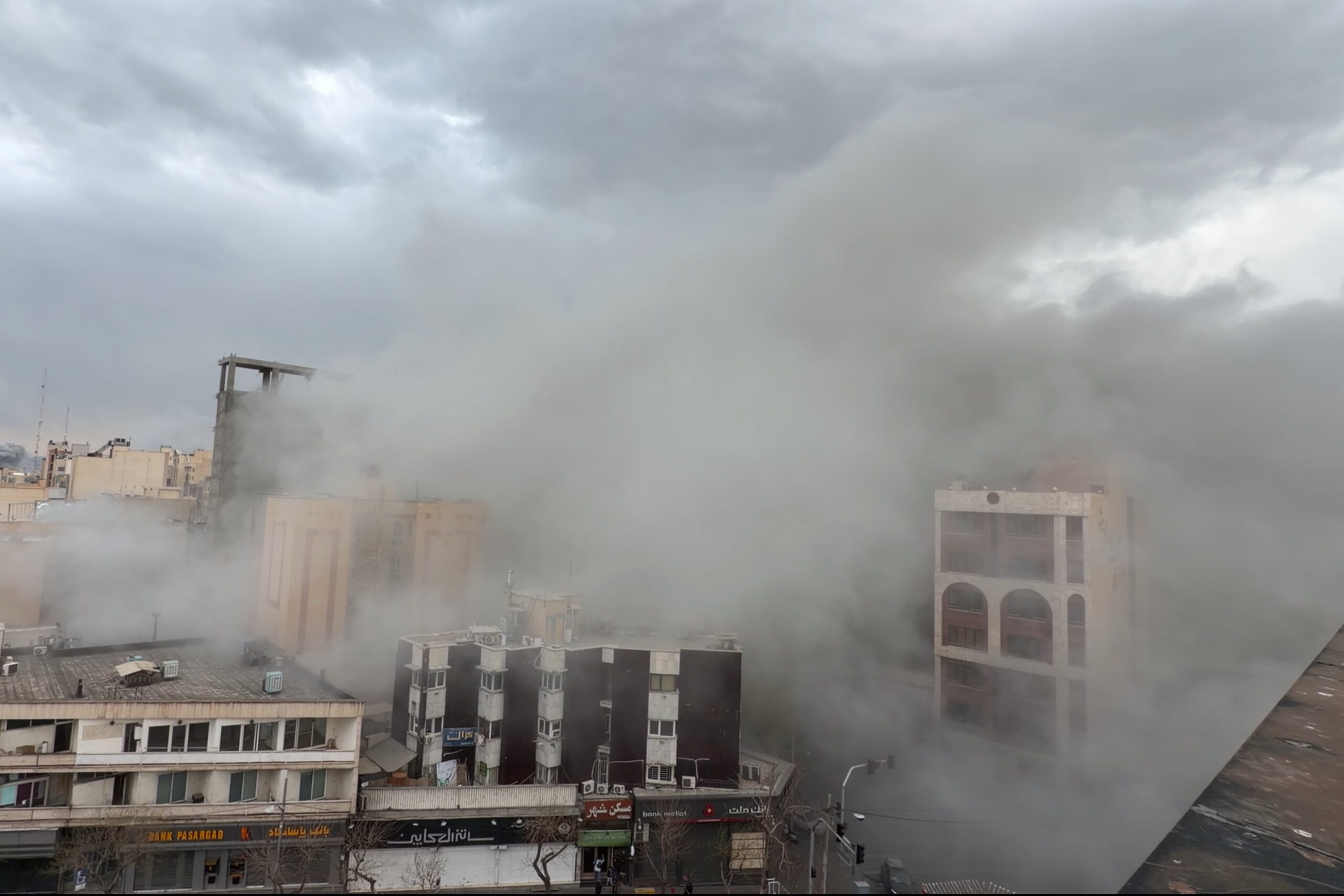
The United Arab Emirates Ministry of Defence has announced that nationals from Nigeria and several other countries were injured following an alleged attack from Iran.
This was disclosed in a statement on Saturday titled “UAE air defences engage 9 ballistic missiles, 33 UAVs.”
The development comes amid escalating bombardments involving the United States, Israel, and Iran, which have spiralled across several Gulf countries, resulting in the loss of civilian and military lives.
What They Are Saying
Also Read
According to the defence agency, the UAE air defence systems on March 14 engaged nine ballistic missiles and 33 unmanned aerial vehicles (UAVs) launched from Iran.
- “These attacks have resulted in six fatalities of Emirati, Pakistani, Nepali, and Bangladeshi nationals, and 141 minor to moderate injuries among nationals of the UAE, Egypt, Sudan, Ethiopia, the Philippines, Pakistan, Iran, India, Bangladesh, Sri Lanka, Azerbaijan, Yemen, Uganda, Eritrea, Lebanon, Afghanistan, Bahrain, Comoros, Türkiye, Iraq, Nepal, Nigeria, Oman, Jordan, Palestine, Ghana, Indonesia, and Sweden,” the statement partly read.
- The defence authorities added that since the onset of what it described as “blatant Iranian aggression,” UAE air defences have engaged 294 ballistic missiles, 15 cruise missiles, and 1,600 UAVs launched from Iran.
The Ministry of Defence further stated that it remains fully prepared to deal with any threats and will firmly confront attempts to undermine state security in a manner that ensures the protection of its sovereignty, security, and stability, while safeguarding its national interests and capabilities.
What You Should Know
This development, if confirmed by the Nigerian authorities, comes days after the Federal Ministry of Foreign Affairs issued an advisory to Nigerians living in or visiting Iran and other Gulf countries following the ongoing conflict involving the United States, Israel, and the Islamic Republic of Iran.
The advisory was issued in a statement by Kimiebi Imomotimi Ebienfa, spokesperson for the Ministry of Foreign Affairs in Abuja.
The ministry stated that the Federal Government is closely monitoring the evolving and volatile situation in the Middle East, particularly the military actions and retaliations involving Israel, the United States, and Iran.
The ministry issued the following advisory:
- “Maintain Constant Vigilance: All Nigerians in Iran and affected Gulf countries are advised to remain extremely vigilant and aware of their surroundings at all times. Avoid areas known to host strategic, military, or government installations, as these could become potential flashpoints.
- “Limit Movement: Nigerians are strongly advised to restrict non-essential movement and travel within these countries until the security situation becomes clearer and stabilises. Avoid large gatherings and public demonstrations.
- “Follow Local Directives: Citizens are strongly advised to strictly comply with all security and safety directives issued by local authorities to ensure their safety. Cooperation with local law enforcement is paramount.
- “Stay Informed: Keep abreast of news and updates from reliable international and local sources. Be cautious of misinformation and rely on official channels for accurate and critical safety information.”
Backstory
Nairametrics previously reported that the escalation followed Israeli attacks earlier in the day on Tehran and other Iranian targets.
The Israeli government claimed that the military action had been planned for months between Israel and the United States and was aimed at crippling Iran’s nuclear programme.
The United States subsequently joined the operation, describing it as “Operation Epic Fury.”
Iranian officials had earlier warned that any military action on its territory would prompt retaliation against U.S. military bases in neighbouring countries. Reports indicate that additional Iranian missile launches targeted facilities in the region hosting American forces.
Amid the development, the Federal Government of Nigeria had reaffirmed its commitment to market-based petrol pricing, saying it will not introduce price controls despite rising geopolitical tensions in the Middle East that have heightened volatility in global oil markets.