Follow Us on Google Discover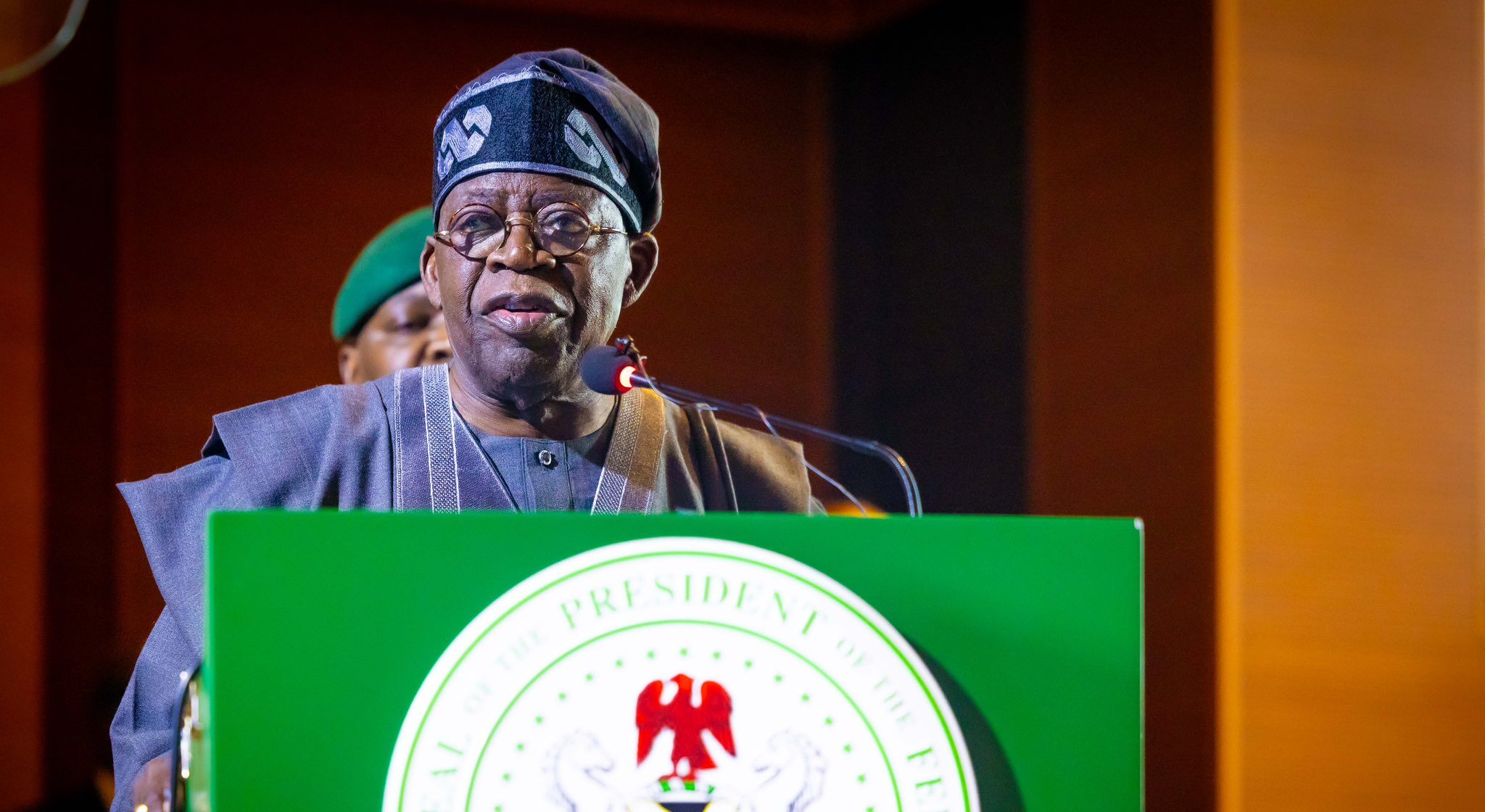
President Bola Ahmed Tinubu has approved the establishment of a Presidential Petroleum Reform & Value Optimisation Taskforce aimed at accelerating structural reforms in Nigeria’s petroleum sector and unlocking billions of dollars in capital for the industry.
The initiative, announced in a State House press release issued Friday by presidential spokesman Bayo Onanuga, is designed to drive the next phase of reforms that will consolidate ongoing changes within the sector while positioning Nigeria as a competitive global energy investment destination.
According to the statement, the President has appointed Fola Adeola, co-founder of Guaranty Trust Bank and founder and chairman of Fate Foundation, as chairman of the task force.
Other members of the task force include Ademola Adeyemi-Bero, Osagie Okunbor, Abubakar Suleiman, Adaeze Aguele, Farouk Gumel, Phillipa Osakwe-Okoye, and Seyi Bella, while Mofoluwasho Fadayomi will serve as secretary.
Also Read
What the statement is saying
The President tasked the team with implementing strategic reforms in the petroleum sector, including boosting the country’s foreign exchange.
- One of the key deliverables of the team is the Implementation Toolkit for Immediate Structural Fixes — including draft legislative amendments, executive instruments, and institutional restructuring proposals.
- Another major component is the Capital & Liquidity Acceleration Blueprint, which the Presidency said is aimed at unlocking significant capital within the sector.
- “The second deliverable is the Capital & Liquidity Acceleration Blueprint, aimed at unlocking $5–10 billion in sectoral liquidity while safeguarding Nigeria’s sovereign interests,” Onanuga said.
The third blueprint will outline the National Energy Transformation Strategy — a ten-year roadmap with measurable targets for production, foreign exchange earnings, GDP contribution, and cost competitiveness.
More insights
The Presidency noted that, as constituted, the task force is a time-bound, high-level executive working group tasked with producing execution-ready reform blueprints that will consolidate ongoing reforms, unlock capital within the petroleum sector, and strengthen Nigeria’s position as a leading global energy investment destination.
- “The initiative reflects the President’s commitment to transforming Nigeria’s petroleum industry into a more competitive, transparent, and value-maximising sector capable of driving long-term economic growth, macroeconomic resilience, and industrial development,” the statement said.
Unlike traditional committees, the task force will operate primarily as a technical reform body that consults widely but focuses on policy design and execution.
- The task force will report directly to President Tinubu and provide monthly progress memoranda.
- An interim report is expected after three months, while the final outputs will be submitted within six months of inauguration.
- Central to its mandate is the delivery of three major reform blueprints designed to strengthen governance, improve sector liquidity, and chart a long-term energy transformation strategy.
President Tinubu also directed all ministries, departments, agencies, regulators, and relevant institutions to provide full technical support to the task force and align ongoing reform initiatives with the new framework.
The task force will automatically dissolve once its final report is submitted and accepted by the President.
What you should know
In 2024, President Tinubu reaffirmed his commitment to adopting a market-driven model for oil sector reform in Nigeria.
The President emphasised that the sector must not return to the state it was in four decades ago.
- He urged stakeholders to prioritise local production by ensuring an adequate supply of petrol and petroleum products for domestic consumption, thereby reducing the nation’s dependence on imports.
- Tinubu highlighted that such efforts would free up foreign exchange for investment in the real sector.
The President also recommended that stakeholders engage Afreximbank as a settlement bank to address naira pricing challenges for crude and refined products, noting that the bank is already serving as a financial adviser.