Follow Us on Google Discover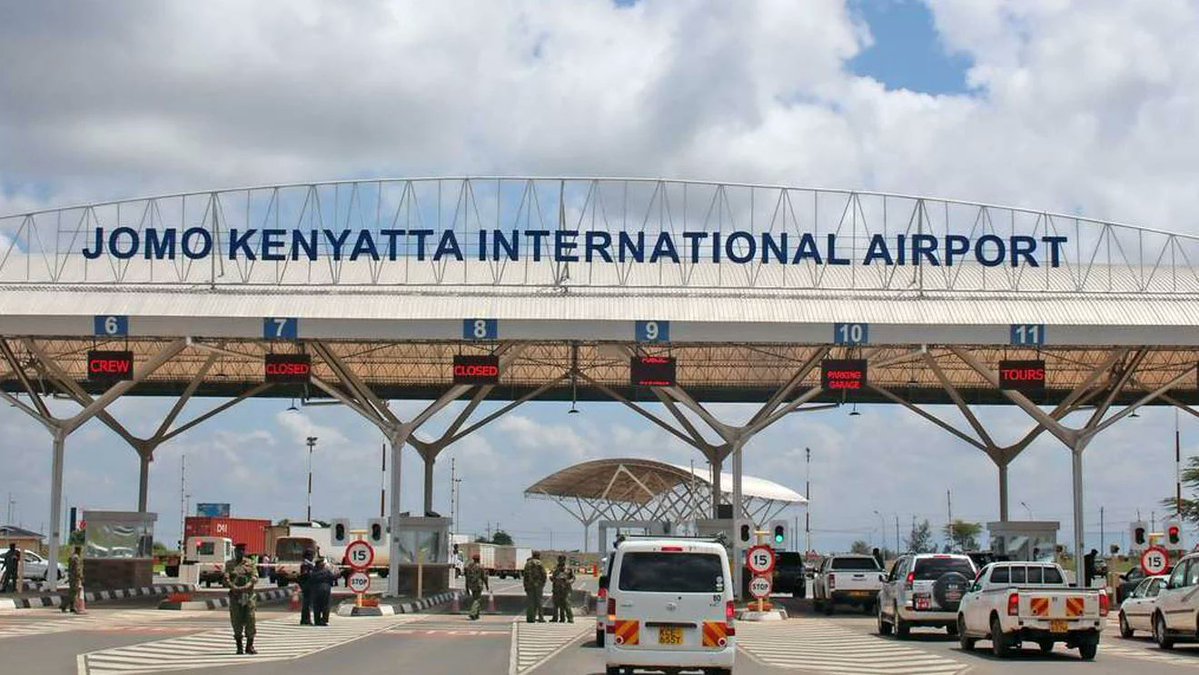
Kenya plans to use about $155 million (15–20 billion Kenyan shillings) from the recent initial public offering (IPO) of shares in the Kenya Pipeline Company to fund the expansion of Jomo Kenyatta International Airport.
The announcement was made by President William Ruto on Monday, as reported by Reuters.
The airport, which handles the bulk of Kenya’s international traffic, is currently operating beyond its intended capacity, and the funding is expected to help modernize and expand its facilities.
What they are saying
The Kenyan government said it raised 106.3 billion shillings by selling 65% of its stake in the Kenya Pipeline Company through the IPO, with proceeds earmarked for major infrastructure projects such as highways, railways, and ports.
Also Read
President Ruto said that between 15 and 20 billion shillings, roughly $155 million, from the National Infrastructure Fund will serve as “seed money” to start the expansion and modernization of Jomo Kenyatta International Airport.
- “The expansion of the Jomo Kenyatta International Airport will be the first major project financed through this new model of financing under the National Infrastructure Fund,” Ruto said.
- “Between 15 and 20 billion shillings from the National Infrastructure Fund, from the proceeds of the Kenya Pipeline IPO, will go to financing the seed money for the expansion of Jomo Kenyatta International Airport.”
The National Infrastructure Fund is a new financing model the Kenyan government is using to channel capital from strategic asset sales into public works, allowing the state to invest in critical transportation and logistics infrastructure without solely relying on borrowing.
More insights
The Kenyan government’s intention to expand Jomo Kenyatta International Airport comes against the backdrop of rising air travel demand across Africa.
- African airlines recorded the highest growth in international air travel demand in January 2026, with revenue passenger kilometres (RPK) rising 11.7% year-on-year, according to the International Air Transport Association (IATA), the fastest growth among all global regions.
- Several African countries are investing heavily in aviation infrastructure to support rising passenger traffic and position themselves as regional aviation hubs.
- Tunisia plans to spend about $1 billion to expand Tunis-Carthage International Airport, increasing its annual passenger capacity to 18.5 million.
Ethiopian Airlines recently started construction of Bishoftu International Airport, designed to handle up to 110 million passengers annually, easing capacity pressure at Addis Ababa Bole International Airport.
These projects reflect a continent-wide effort to strengthen aviation infrastructure and improve passenger experience.
What you should know
Other African countries are also modernizing key airports to meet growing passenger demand.
- Nigeria’s federal government approved N712.26 billion in 2025 for the upgrade of Murtala Muhammed International Airport (MMIA) in Lagos, including a rebuild of Terminal One, expansion of Terminal Two, and enlargement of the aircraft apron.
- The project includes two dedicated ring roads for arrivals and departures and a new bridge linking passengers directly to the upper floor of the departure lounge.
- Smart technology integration is planned to transform MMIA into a modern airport capable of meeting global aviation standards.
These developments show that Kenya’s investment in Jomo Kenyatta International Airport aligns with broader regional trends to enhance air travel infrastructure and competitiveness.