Follow Us on Google Discover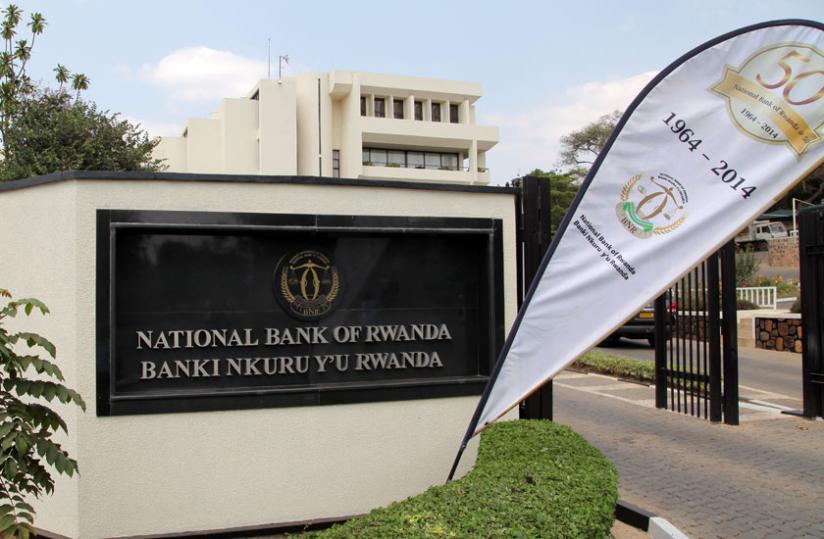
The National Bank of Rwanda has increased interest rate by 50 basis points to 7.25 percent in an effort to curb inflation in the near term, bucking a broader easing trend across Africa.
The apex bank Governor, Soraya Hakuziyaremye, announced this decision on Thursday following the conclusion of the Monetary Policy Committee (MPC) meeting.
The move is the biggest taken by the bank since August 2023.
The decision sets Rwanda apart from peers that are either holding rates steady or considering cuts as inflationary pressures moderate across the continent.
What the bank is saying
The MPC stated it would remain vigilant in its anti-inflation fight within its medium-term target.
The bank added that further decisions will depend on its assessment of economic risks going forward.
- “The MPC will continue to closely monitor economic developments and the inflation outlook. Should the highlighted upside risks materialize, the Committee will assess the need for further policy adjustments, as appropriate, to ensure that inflation converges to the target range of 2-8 percent over the medium term,” Hakuziyaremye said.
- “The Rwandan Franc (FRW) depreciated by 4.40 percent against the U.S. dollar as of December 2025, marking a slower pace compared to the 9.42 percent depreciation recorded over the same period in 2024.
- “This trend reflects improved external sector conditions, supported by stronger tourism receipts and increased remittance inflows, which helped ease foreign exchange pressures. It also mirrors the positive effects of domestic foreign exchange market reforms, alongside the relatively weaker U.S. dollar in global foreign exchange markets,” the apex bank Governor added.
More insights
The decision sets Rwanda apart from much of Africa, where policymakers in South Africa and Nigeria are still expected to cut rates as firmer currencies against the dollar and lower oil prices help cool inflation.
- Annual urban inflation climbed to a more than two-year high of 8.9% last month, from 8% in December.
- The bank expects inflation to remain slightly above the 8% upper bound in the first half of 2026.
- It also expects inflation to ease back within the 2% to 8% target range before the year runs out.
This suggests that while inflation remains high, policymakers are confident it will moderate through the year if certain measures are taken.
What you should know
In several African countries, central banks have taken different approaches to curb inflation.
Earlier, Nairametrics reports that at its last meeting, the South African Reserve Bank’s Monetary Policy Committee held the benchmark rate steady at 6.75%.
Also, at its November 2025 meeting, the Monetary Policy Committee of CBN retained the Monetary Policy Rate at 27%, having earlier reduced it from 27.5% in September.
The CBN has scheduled its 304th Monetary Policy Committee meeting for February 23 and 24, 2026.