Follow Us on Google Discover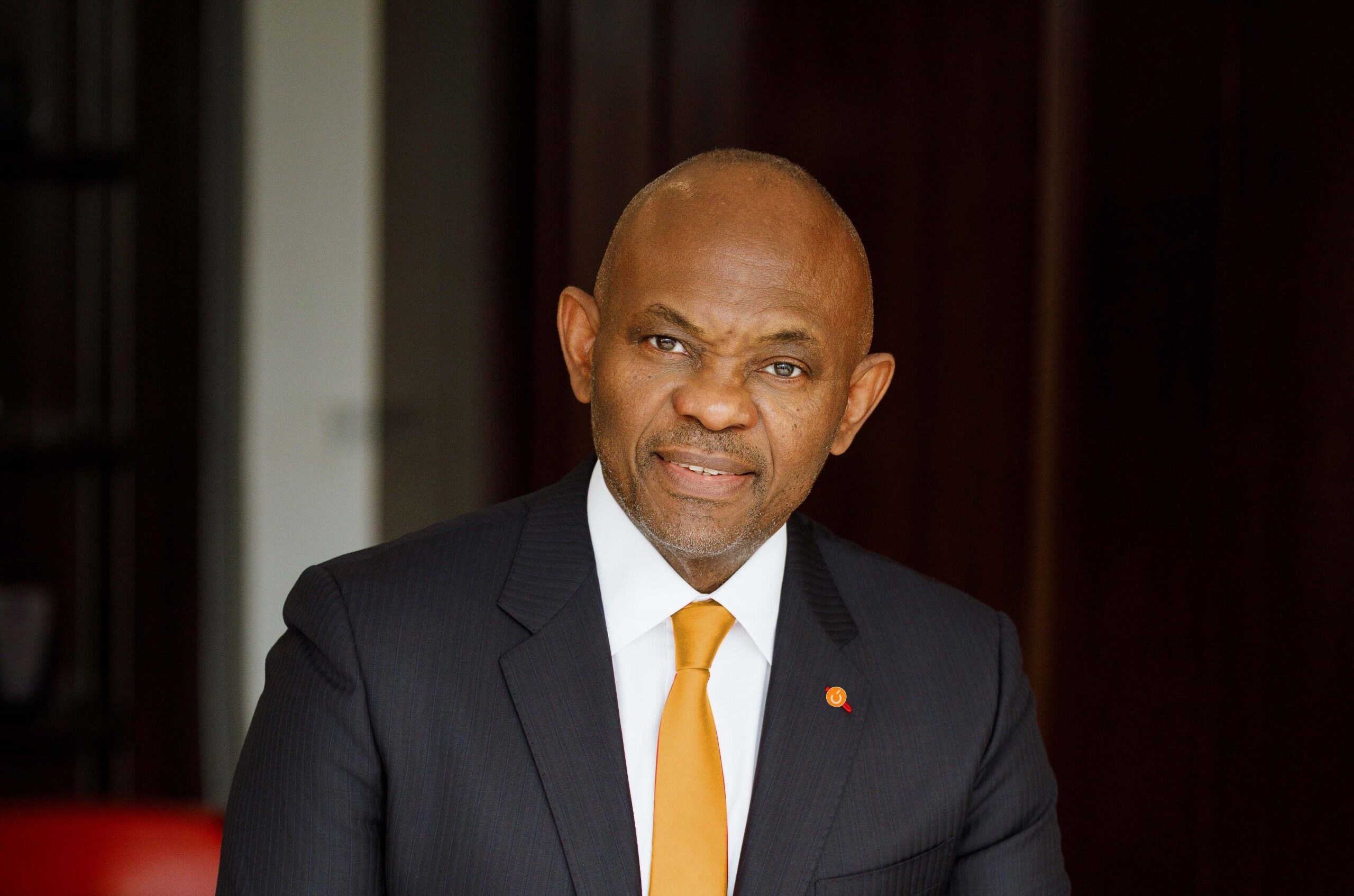
Chairman of UBA Group, Tony Elumelu, has shed light on why entrepreneurs often face stringent conditions when seeking loans from commercial banks, attributing the challenge largely to tightening regulatory requirements.
Elumelu spoke during a panel session at the 49th Governing Council meeting of the International Fund for Agricultural Development (IFAD) in Rome, where he explained that while banks are willing to lend, they are constrained by strict compliance rules.
Accessing credit from commercial banks typically involves meeting rigorous requirements, including providing collateral and demonstrating clear repayment capacity before loans can be approved and disbursed.
What they are saying
Elumelu noted that commercial banks have limits on the level of risk they can assume, particularly when it comes to financing small and medium-sized enterprises (SMEs).
- “The issue of finance, I wear a commercial bank hat. There’s a limit to what they can do in providing the kind of risk capital that SMEs or entrepreneurs need,” he said.
He explained that banks must comply with regulatory standards that require collateral and verifiable repayment sources, failing which, there are capital implications for the institution.
- “If you don’t do that, there’s a charge on the bank’s capital, but people don’t understand this. So oftentimes they blame financial institutions, but the regulatory environment is tightening; it will not allow banks to provide the kind of money,” he added.
Elumelu cited this constraint as one of the motivations behind establishing the Tony Elumelu Foundation, which provides $5,000 non-refundable seed capital to entrepreneurs, funding that commercial banks are unable to offer under current regulatory frameworks.
He also observed that although many governments have set up development finance institutions (DFIs) to bridge the financing gap, accessing funds from such institutions can still be difficult.
- “You go to some development financial institution, they will ask for an arm and a leg. Then you start wondering, how would these young entrepreneurs provide this collateral?” he said.
According to him, DFIs were created to support businesses with take-off capital, yet their requirements often remain beyond the reach of young entrepreneurs.
Backstory
Elumelu’s comments come amid evolving credit conditions in Nigeria’s banking sector.
- In its Q4 2025 Credit Conditions Survey, the Central Bank of Nigeria (CBN) reported improved credit availability across major lending segments, despite a rise in loan defaults among households and businesses.
- For corporate borrowers, lending conditions were mixed. Loan spreads narrowed for small businesses, large private non-financial corporations (PNFCs), and other financial corporations (OFCs), suggesting relatively improved pricing conditions in those categories. However, medium-sized PNFCs experienced a widening spread, indicating tighter credit terms.
- The CBN noted that while lenders are cautiously expanding credit, rising repayment risks have prompted a more measured approach to lending. During the quarter, defaults increased across secured, unsecured, and corporate loans, highlighting ongoing challenges within Nigeria’s financial landscape.
Overall, households faced higher borrowing costs, while corporate borrowers experienced varied pricing trends, reflecting both opportunities and constraints in the credit market.
More insights
Acknowledging the frustration of young entrepreneurs, Elumelu called on governments to create a more enabling environment for small businesses.
- “So I take to advocacy, I pray to government, create the enabling environment, support the young entrepreneurs. And indeed, in some ways, it’s working,” he said.
He emphasised that beyond access to finance, broader policy reforms and supportive infrastructure are essential to unlocking entrepreneurial growth.
What you should know
High lending rates remain a major obstacle to business growth in Nigeria. Interest rates on commercial loans currently range between 29 per cent and 36 per cent, placing significant strain on businesses, particularly SMEs.
- Many companies report being unable to take on new loans and struggling to service existing debt obligations.
- According to CBN data from early 2025, 75 percent of businesses identified high interest rates as their most pressing operational challenge.
The situation underscores the delicate balance between maintaining financial stability through tight regulation and ensuring adequate access to credit for small businesses that drive economic growth and job creation.