
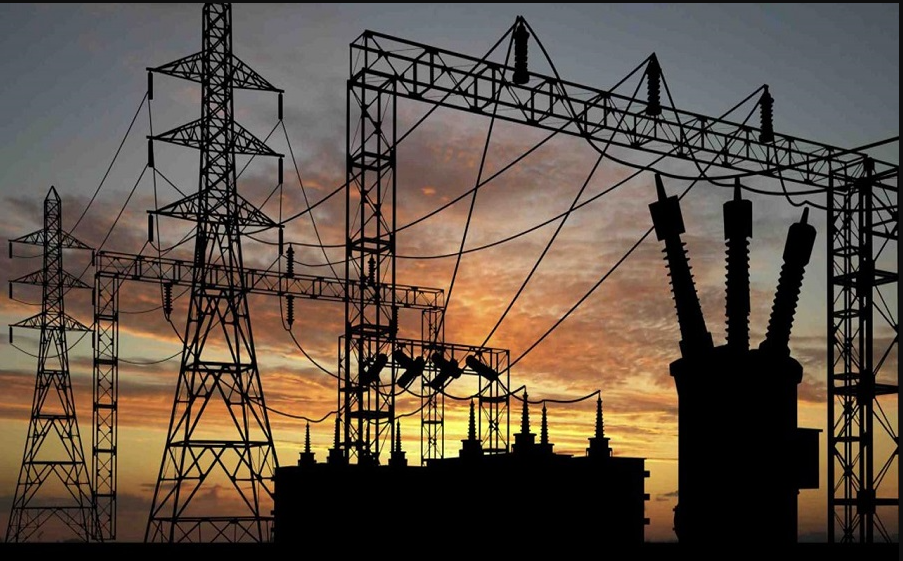
Nigeria was plunged into darkness on Friday following the collapse of the national electricity grid, marking the first system failure recorded in 2026.
Data obtained from the Nigerian Independent System Operator (NISO) showed that power generation across the country dropped to 0 megawatts (MW) at about 1:00 pm, indicating a total shutdown of the grid.
The collapse triggered widespread blackouts in many parts of the country, with electricity distribution companies forced to shut down supply to customers as a result of the system failure.


Several consumers reported loss of power shortly after midday, disrupting businesses, households, and public services.
What the data is saying
Power generation fell to 0 megawatts at about 1:00 pm, according to data from the Nigerian Independent System Operator (NISO).
Electricity distribution companies shut down supply nationwide following the system failure.
The blackout affected consumers shortly after midday, disrupting businesses, households, and public services.
Distribution companies including Benin, Eko, Enugu, Ikeja, Jos, Kaduna, Kano, Port Harcourt, Ibadan, Abuja, and Yola recorded zero power allocation.
The data highlights a complete shutdown of the national grid, an occurrence that severely affects the country’s economic and social activities.
Context
In December, Nairametrics reported that Nigeria’s national electricity grid collapsed, leaving power supply across most of the country at near zero levels.
Although the cause of the current collapse was not immediately disclosed, grid failures in Nigeria are often linked to a combination of factors, including inadequate generation capacity, transmission constraints, frequency instability, gas supply challenges, and technical faults within the transmission network.
The national grid has suffered repeated collapses in recent years, raising concerns about the resilience and reliability of the country’s power infrastructure.
Despite ongoing reforms in the electricity sector and the recent unbundling that led to the establishment of the Nigerian Independent System Operator, experts say structural weaknesses in transmission and distribution continue to pose major challenges.
What you should know
In September, Nigeria was thrown into darkness following the collapse of the national electricity grid.
In March, Nairametrics reported that the National Grid collapsed, plunging several parts of Nigeria into darkness.
Typically, grid collapses are followed by a gradual restoration process, with generation ramped up in phases to stabilise the system.
Electricity consumers rely on alternative power sources, such as generators and inverters, until normal supply is restored.
- Power sector stakeholders continue to call for urgent investment in transmission infrastructure and improved system management to reduce grid failures.
- The federal government has attributed the frequent collapse of the national grid which results in nationwide blackouts to the inability of electricity distribution companies (DisCos) to take power generated.
- According to data from the Nigerian Electricity Regulatory Commission (NERC), the grid recorded several partial or total collapses in 2024, sparking concerns about the country’s power sector reliability