Follow Us on Google Discover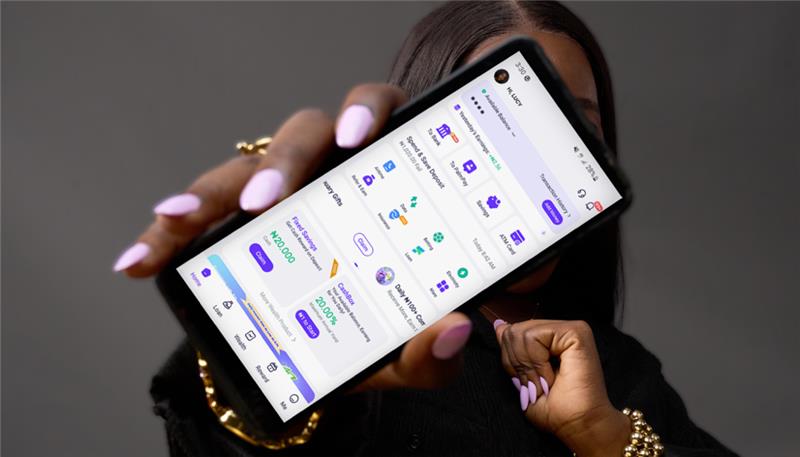
- Payments have become an essential part of daily life in Nigeria, just like electricity and water, makingreliability the real currency for fintech platforms.
- Fintechs like PalmPay have bridged gaps in financial inclusion by ensuring secure, fast, and dependable transactions even during network fluctuations and high-pressure periods, turning trust into habit for millions of users.
- Campaigns such as PalmPay and Premiere Cool’s “10K for 10K” reward everyday trust, while fintech infrastructure continues to evolve as a backbone for commerce, education, and livelihoods—because in Nigeria, reliability isn’t a feature; it’s the standard.
Every morning, millions of Nigerians wake up expecting a few things to work: electricity when it’s available, water when the tap is turned, and their phones when they need to make a call.
These are not luxuries; they are essentials, expected to function quietly and consistently, without drama.
And when any one of them fails, life slows down.
Today, payments belong in that same category of essentials.
Also Read
Money no longer lives only in wallets. It moves through phones, apps, POS and instant transfers. From sending money home, paying for transport, buying airtime, or restock shops, Nigerians rely on payments to work consistently. When they don’t, life doesn’t just slow down. It halts.
That’s why reliability has become the real currency.
Nigerians are not asking for miracles. They want reliability. They want to know that when they press “send,” the money will go through. The brands that endure in Nigeria understand this truth: trust is built by showing up every day, especially when it matters most.
Fintechs Driving Instant Payments
Fintechs have built systems that have helped bridge critical gaps in financial inclusion, adapting to uniquely Nigerian challenges like network fluctuations, peak transaction periods during holidays, and high-pressure moments when transactions cannot fail.
For many Nigerians, platforms like PalmPay have become part of daily life because they deliver on a simple promise: payments should work, every time. By prioritizing security, speed, and reliability, these platforms turn confidence into habit, and habit into trust.
“When payments through regular banks kept failing during a critical moment for my family, I used PalmPay and the transfer went through immediately. In the middle of stress and uncertainty, PalmPay became the hope that carried us through.” – Happiness Nosoke
Rewarding Everyday Trust
Beyond reliability, Nigerians also value recognition. When people rely on a product every day, they expect brands to acknowledge that trust in ways that feel tangible. Campaigns like PalmPay and Premiere Cool’s 10K for 10K , which rewards 10,000 Nigerians with N10,000 paid instantly into their wallets, reinforces a powerful message: reliability deserves recognition. Whether it’s the soap you reach for every morning or the app you trust to move your money, consistency matters.
Beyond Products: Building Infrastructure Nigerians Can Depend On
For many Nigerians, fintech is no longer “new technology.” It is infrastructure. It must work in markets and offices, on campuses and highways, during emergencies and everyday moments alike.
The strongest brands last because they evolve without breaking their promise.
Because in a country where Nigerians rely on their payments as much as their everyday essentials, reliability isn’t a feature. It’s the standard.