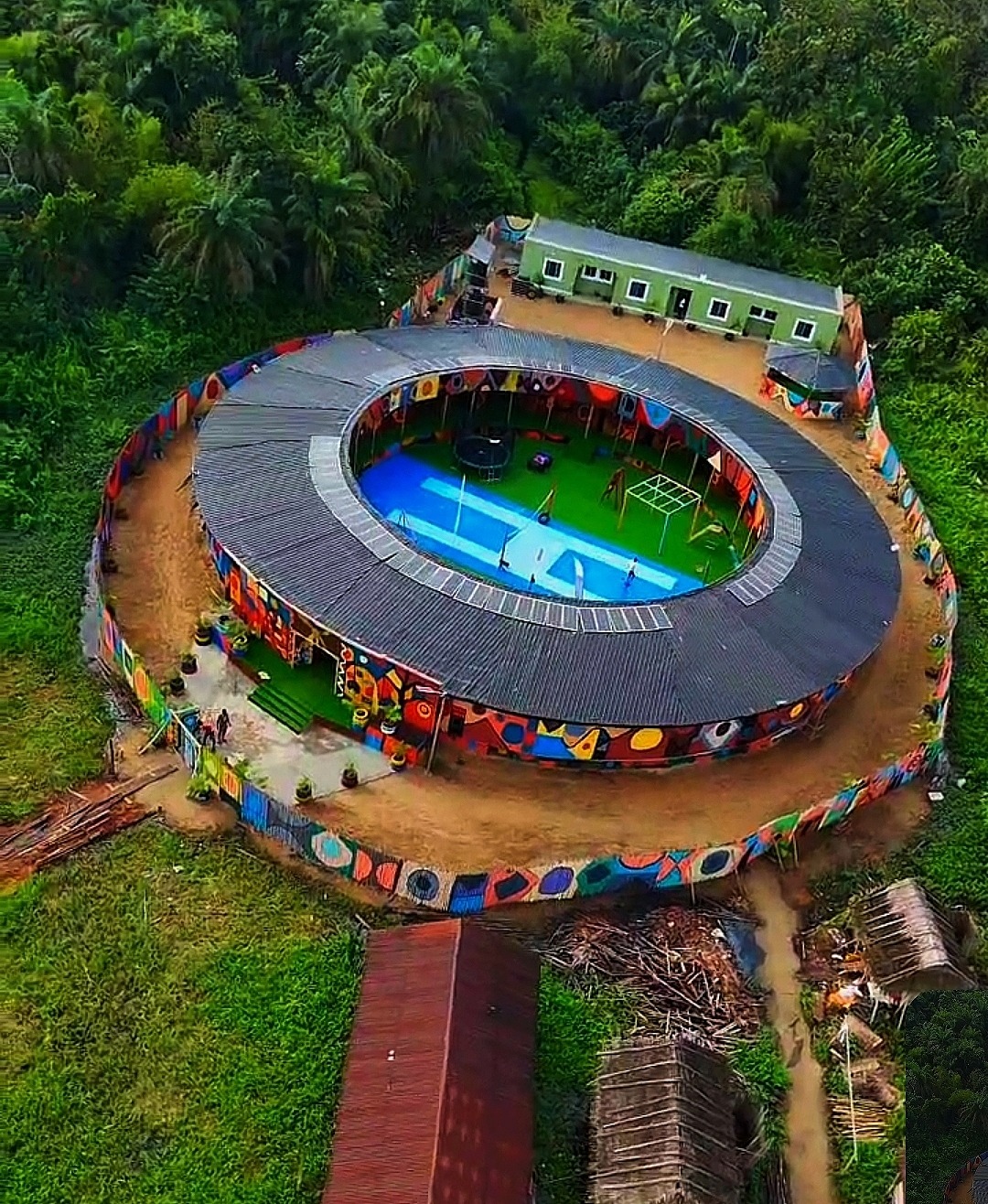
- The Slum2School Green Academy demonstrates how climate‑smart, off‑grid infrastructure can reduce long‑term operating costs while improving learning conditions in underserved communities.
- Reliable solar power, safe water systems, and resilient architecture directly strengthen learning continuity, teacher retention, and digital education access.
- The Academy’s partnership-driven, cost‑efficient model presents a scalable blueprint for policy makers seeking to integrate education quality with climate resilience and economic sustainability.
Nigeria’s education crisis is often framed around access, classrooms built, children enrolled, and schools commissioned. Yet beneath these visible metrics lies a more structural challenge: the quality, resilience, and long-term viability of education infrastructure itself.
As climate risks intensify, energy costs rise, and public budgets face increasing pressure, the question confronting policymakers and investors alike is no longer whether Nigeria needs more schools, but whether it can build them differently.
Across underserved communities, particularly riverine, coastal, and off-grid areas, many schools operate without electricity, safe water, sanitation, or digital connectivity. These deficits are not peripheral.


They directly undermine learning outcomes, weaken teacher retention, disrupt instructional time, and ultimately erode the country’s ability to convert its demographic growth into economic productivity.
It is against this backdrop that Slum2School Africa has launched the Slum2School Green Academy in Saga, a remote riverine community in Lagos State designed to provide free education for about 250 learners from underserved communities.
The Academy has been deliberately designed as a proof of concept, a climate-smart, off-grid education model that integrates learning delivery with infrastructure efficiency, environmental resilience, and long-term sustainability.
From Education Access to Infrastructure Strategy
For over a decade, Slum2School Africa has worked across Nigeria’s hardest-to-reach communities, supporting school enrollment, infrastructural development, teacher training, and learning outcomes.
The Green Academy represents a strategic evolution of that work, moving beyond access to interrogate the physical and economic foundations of learning environments.
Built with eco-friendly materials and engineered for durability in flood-prone terrain, the Academy operates entirely off-grid. Solar power provides reliable electricity in a community that previously had none.
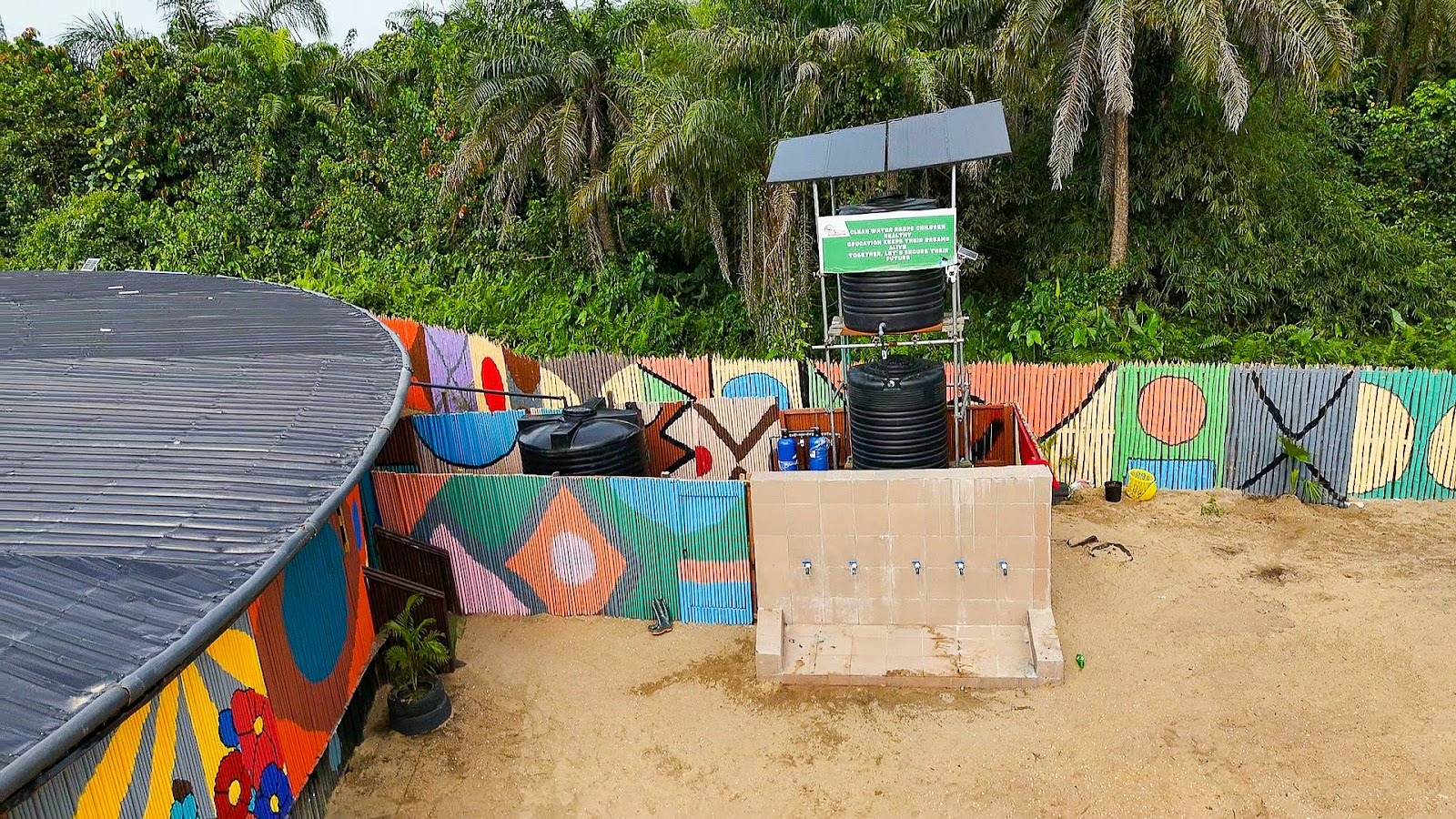
Rainwater harvesting and purification systems deliver safe water for drinking and sanitation, while waste-to-biogas solutions address waste disposal challenges and reduce environmental impact while supplying cooking gas for the teaching quarters. Climate-responsive architecture and natural ventilation significantly lower cooling and maintenance costs.
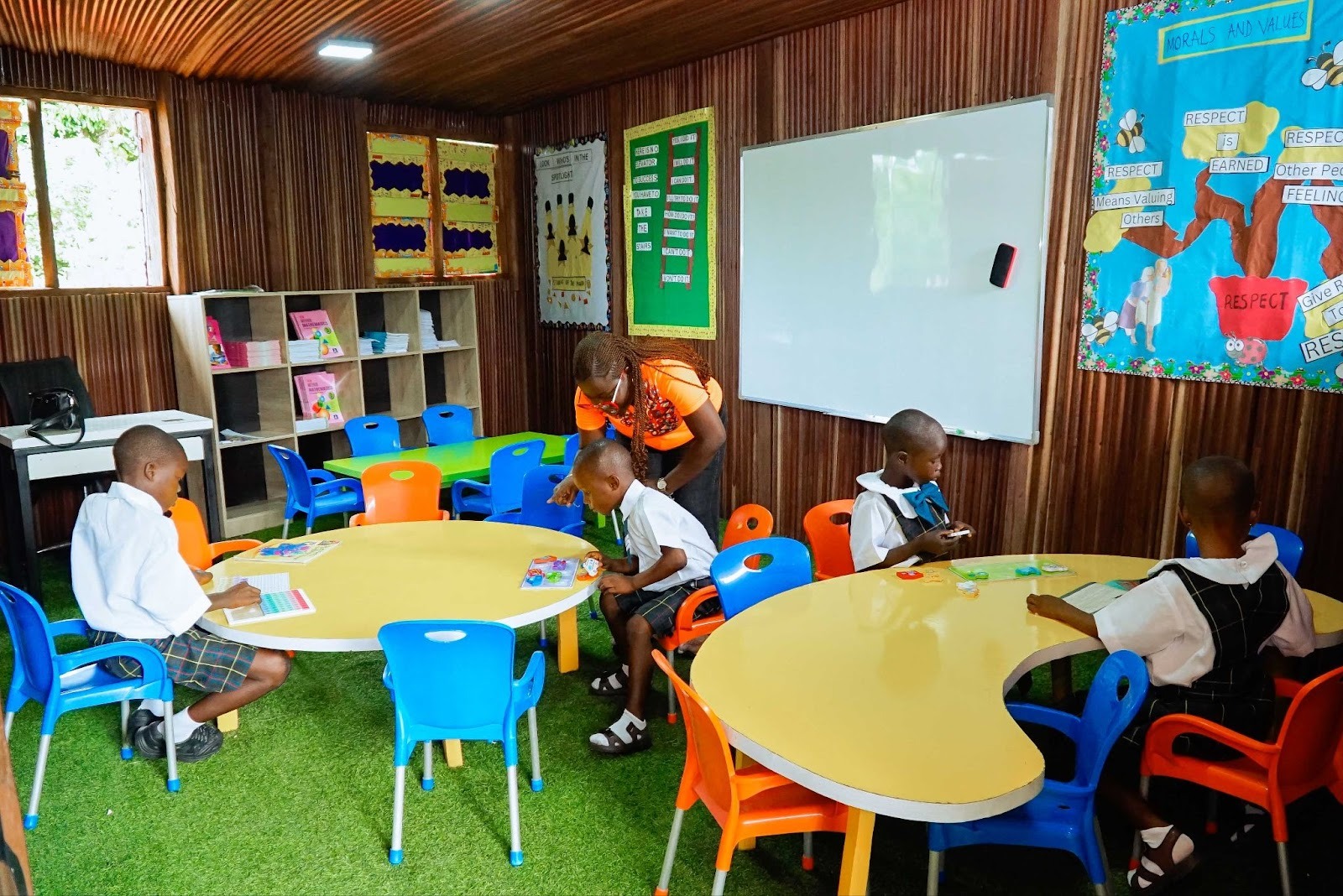
This integrated design reframes sustainability not as an environmental add-on, but as operational efficiency. In a system where public schools often depend on diesel generators, water vendors, and recurring repairs, climate-smart infrastructure offers the potential for lower recurrent expenditure over time, freeing scarce public resources for teaching quality, learning materials, and student support.
Why Climate-Smart Schools Are an Economic Issue
Education infrastructure is rarely discussed as an economic asset, yet it plays a central role in shaping workforce readiness and productivity. Poorly built schools deteriorate quickly, disrupt learning during extreme weather events, and discourage skilled teachers from remaining in underserved areas.
Over time, these hidden costs accumulate, manifesting as weaker learning outcomes and reduced lifetime earnings.
By contrast, the Slum2School Green Academy embeds resilience at the design stage. Reliable electricity enables digital learning and STEM education. Safe water and sanitation improve health outcomes and attendance. On-site staff accommodation supports teacher retention in remote locations.
Together, these elements contribute to learning continuity and quality, which are increasingly recognized as the true drivers of education’s economic returns.
From a policy perspective, this aligns with global evidence that countries that successfully leverage education for development do not merely expand access; they invest in environments that sustain consistent, high-quality learning.
Innovation Beyond the Classroom
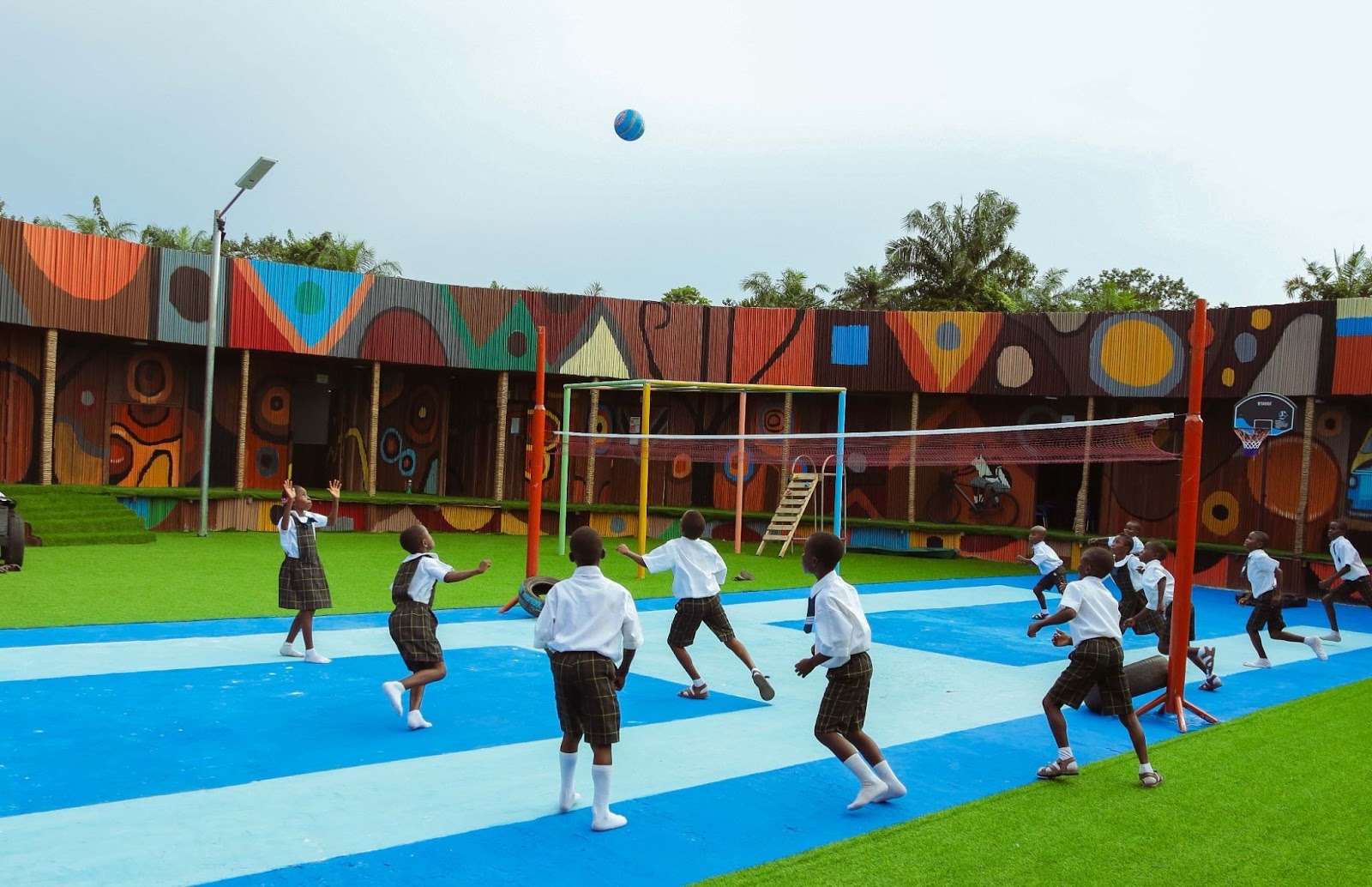
Beyond infrastructure, the Green Academy integrates digital connectivity through satellite internet, giving learners exposure to digital tools, global educational resources, and 21st-century skills. Environmental literacy is embedded into daily learning through biodiversity zones and hands-on interaction with renewable energy and water systems.
This reflects a broader shift in education investment, from rote learning toward skills aligned with future labor markets. The Academy operates on a fully scholarship-based model, ensuring that cost does not become a barrier to access while maintaining high standards of delivery. This challenges the notion that quality education for underserved communities must come with compromised infrastructure.
Partnerships and the Case for Fundability
A defining feature of the Green Academy is its multi-stakeholder partnership model, bringing together philanthropic capital, corporate partners, and international development actors. Support for the project has come from organizations including bioMérieux, HP, United Airlines, Universal Music Group, and the Norwegian Embassy in Nigeria, among others.
This blended approach mirrors emerging global best practice in financing social infrastructure, particularly where public budgets alone are insufficient.
By lowering long-term operating costs through renewable energy and efficient design, the model strengthens its economic case. By delivering measurable social outcomes, enrolment, retention, and learning quality, it aligns with outcome-based funding approaches. And by contributing to climate adaptation and emissions reduction, it speaks directly to ESG-aligned capital.
Scaling the Model: Policy Implications
The Green Academy is not presented as a silver bullet but as a starting point. Replicating such models at scale in Africa would require deliberate policy alignment, particularly within state education planning, climate adaptation strategies, and infrastructure procurement frameworks.
However, the Slum2School Green Academy invites a reframing of how Nigeria evaluates education investments. If infrastructure resilience, operating efficiency, and learning outcomes were prioritized alongside enrollment figures, education spending could deliver significantly higher economic returns.
As Orondaam Otto, Founder of Slum2School Africa, explains, “Nigeria’s demographic future will be shaped not just by how many children enter classrooms, but by what kind of classrooms they enter and the quality of teachers they encounter.
“The Slum2School Green Academy offers a tangible example of how education infrastructure can be reimagined to serve learning, climate resilience, and economic development simultaneously. We were deliberate about designing a school that would still make sense in 20 or 30 years, not just educationally, but economically.
“This is our attempt to demonstrate that quality education, climate resilience, and cost efficiency do not have to be trade-offs but can form the foundation of a model capable of expansion through government adoption, development finance, and private sector partnerships.”
A Prototype for the Future
As the country grapples with learning poverty, infrastructure challenges, climate vulnerability, and fiscal constraints, the project challenges policymakers, investors, and development partners to think beyond traditional silos.
The Slum2School Green Academy offers a tangible reference point, one that bridges policy ambition with on-the-ground execution. It illustrates how thoughtful design, cross-sector partnerships, and long-term thinking can translate education spending into durable social and economic value.
The question is no longer whether innovation in education infrastructure is possible; it is whether Nigeria can afford not to pursue it.
To learn more about the Green Academy and its approach to climate-smart education, visit https://slum2school.org/greenacademy/.