Follow Us on Google Discover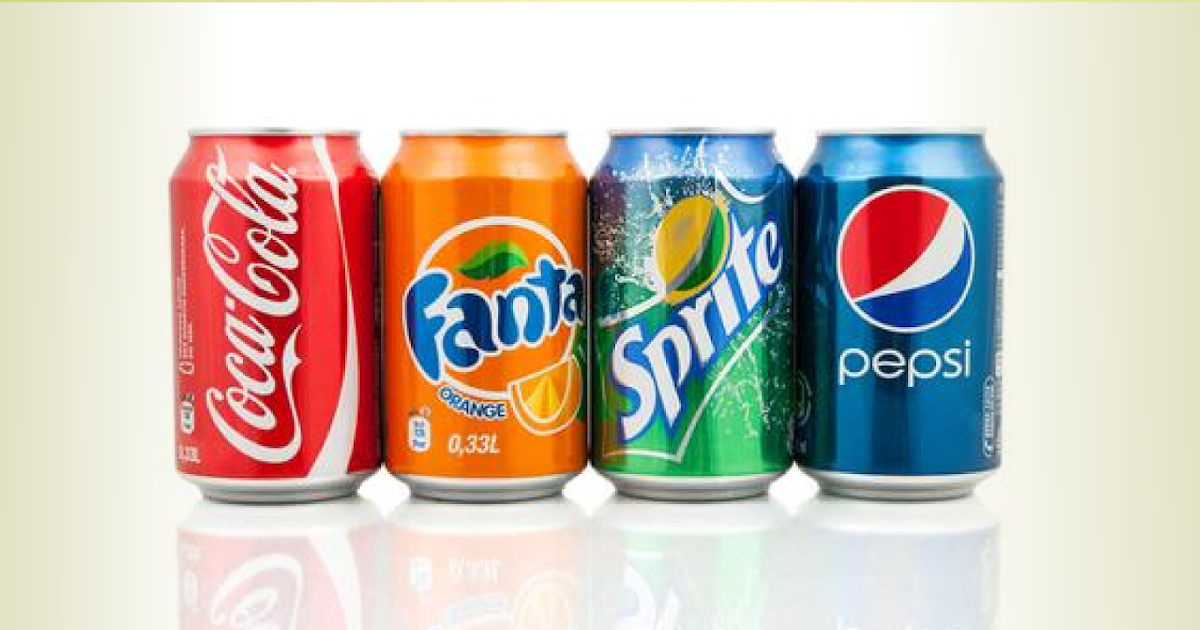
- Nigeria’s soft drink market is one of Africa’s most dynamic consumer sectors, dominated by carbonated drinks with 81% share, while non-carbonated beverages such as juices, malt drinks, and yoghurt are growing rapidly due to rising health consciousness.
- Taste and availability drive consumer choices in carbonated drinks, while ingredient profile and health positioning matter more for non-carbonated options; brand loyalty is moderate, with Fanta and Pepsi leading in carbonated and Hollandia in non-carbonated segments.
- Market outlook remains positive, supported by population growth and youthful demographics, with opportunities for investment in non-carbonated products, localized manufacturing, and partnerships with small-batch producers amid intensifying competition and price sensitivity.
Nigeria is one of the world’s largest soft drink markets.
Demand is supported by the country’s large population, youthful demographics, and strong informal retail sector.
Soft drinks are an integral part of everyday consumption habits in Nigeria, both at home, during transit, and at social events.
Based on 2024 survey data, the average Nigerian drinks about six bottles weekly and spends roughly N2,500.
Also Read
With over 100 brands across carbonated and non-carbonated segments, plus a vibrant homemade beverages space, consumers enjoy a wide range of choices.
Market Structure: Carbonated vs. Non-Carbonated
Carbonated drinks dominate the market, accounting for 81% of demand in 2024. The segment is saturated and highly competitive, led by established bottling companies with entrenched brands. New entrants typically compete on pricing and volume, offering larger bottles at lower prices to gain share.
The non-carbonated category accounts for 19% of demand but is expanding more rapidly. It includes juices, malt drinks, yoghurt and milk drinks, herbal blends, and exotic fruit beverages. Differentiation is easier in this segment due to the variety of product types, ingredient formulations, and packaging formats. Rising health consciousness, especially among young adults and urban consumers, is also supporting faster growth here.
Pricing Dynamics and Consumer Spending
Soft drink prices vary widely depending on brand strength, packaging format, and product type. A 33cl bottle typically ranges from N300 to N2,400. Leading carbonated drinks such as Coca-Cola, Pepsi, and Fanta retail around N430, while newer brands sell at discounts of 13% to 26%. Aggressive value positioning is common, with brands such as Bigi offering 60cl bottles for around N315.
Pricing in the non-carbonated segment is less uniform. These drinks often market themselves as healthier or more nutritious, allowing manufacturers to set prices based on ingredients and perceived wellness value. For instance, 5 Alive (85cl) sells for about 10% less than some newer premium non-carbonated brands at smaller volumes.
Most Nigerians spend under N5,000 weekly on soft drinks, with 87.5% falling below this threshold. Adults with children tend to spend substantially more, reflecting higher consumption in households with younger dependents.
Top Brands and Market Leaders
Nigeria’s carbonated drinks landscape is dominated by the Nigerian Bottling Company (Coca-Cola, Fanta, Sprite) and Seven-Up Bottling Company (Pepsi, Mirinda, 7Up). In 2024, Coca-Cola, Fanta, and Pepsi were the top three brands, accounting for a combined 70% of national demand.
Other important players include Mamuda Beverages, Planet Bottling, Rite Foods (Bigi range), and the major breweries—Nigerian Breweries, Guinness, and International Breweries—whose malt and flavored non-alcoholic drinks have a strong following. Overall, the top 20 carbonated brands account for about 98% of total demand.
In the non-carbonated category, 5 Alive leads with 19.3% market share. Milk and yoghurt drinks are also significant contributors, with Nutrimilk (12.6%), Chivita (12.1%), Hollandia (11%), Sosa, Chi Exotic, Viju Milk, Fresh Yo, Capri-Sun, and Pulpy forming the top ten. Manufacturers such as C-Way Group, Chivita Hollandia International, and Viju Industries play major roles here.
Consumer Preferences and Drivers of Choice
Taste remains the strongest driver of soft drink choice, influencing 48% to 69% of decisions. Consumers frequently describe preferred drinks as “refreshing,” “creamy,” or “appealing in flavor.” For carbonated beverages, taste and availability are the two most important factors.
In the non-carbonated segment, the ingredient profile and health positioning matter more. About 29% of consumers consider natural content, added nutrients, or lower sugar content when selecting drinks. Packaging size also influences purchase decisions, with larger formats preferred for household consumption.
Brand Loyalty
Nigerian consumers demonstrate moderate loyalty levels. About 55% consistently buy the same soft drink brand, while 19% switch frequently to explore alternatives. Loyalty is stronger in the carbonated category, with Fanta (62%) and Pepsi (60%) above the market average. In the non-carbonated segment, Hollandia shows slightly above-average loyalty at 56%.
Where Nigerians Buy Soft Drinks
Purchases occur mainly through off-trade channels. The top three points of purchase are:
- Supermarkets – 36%
- Open markets – 26%
- Street hawkers – 16%
Beyond these leading channels, consumers also buy from neighbourhood kiosks, corner shops, petrol station marts, restaurants, and bars.
Market Outlook
Nigeria’s soft drink market is expected to continue growing, supported by population expansion, young consumer demographics, and opportunities for regional distribution across West Africa. The non-carbonated segment is likely to attract more investment due to rising health consciousness and lower competitive intensity. Homemade and small-batch beverage producers are expected to scale, opening opportunities for partnerships and acquisitions.
In the carbonated segment, price sensitivity remains high, and competition from both legacy bottlers and value-focused entrants is intensifying. New players may pursue localized manufacturing to reduce logistics costs and improve market reach. While competition will remain strong, Nigeria’s soft drink market remains one of Africa’s most dynamic consumer sectors, offering room for differentiation, innovation, and localized expansion.
If you found this analysis insightful, you may also enjoy exploring our other Firmus Advisory deep-dive market reports:
- The Wine Market in Nigeria uncovers consumer trends and growth opportunities in the country’s expanding wine sector.
- The Spirit Market in Nigeria to get a closer look at demand drivers and competitive dynamics shaping this industry.
- The Beer Market in Nigeria to understand market shifts, local preferences, and new openings for investors.
- The Energy Drink Market in Nigeria to explore how lifestyle changes and youth culture are fueling rapid growth.
Each report offers data-driven insights to help you make smarter business and investment decisions in Nigeria’s beverage sector.
About Firmus Advisory Nigeria LimitedFirmus Advisory Nigeria offers a comprehensive range of market research services including market and sector insights as well as customer satisfaction studies. Employing the full set of market research tools (depending on a business’ particular need), we unearth insights that will help you understand a business situation and make insightful and profitable decisions.
Over the years, we have provided research services to several local and international companies and have obtained optimal experiences in the areas of customer experience surveys, market insights and brand tracking studies across multiple sectors.Email [email protected] to speak with our market research team or visit www.firmusnigeria.com to learn more about what we do.