
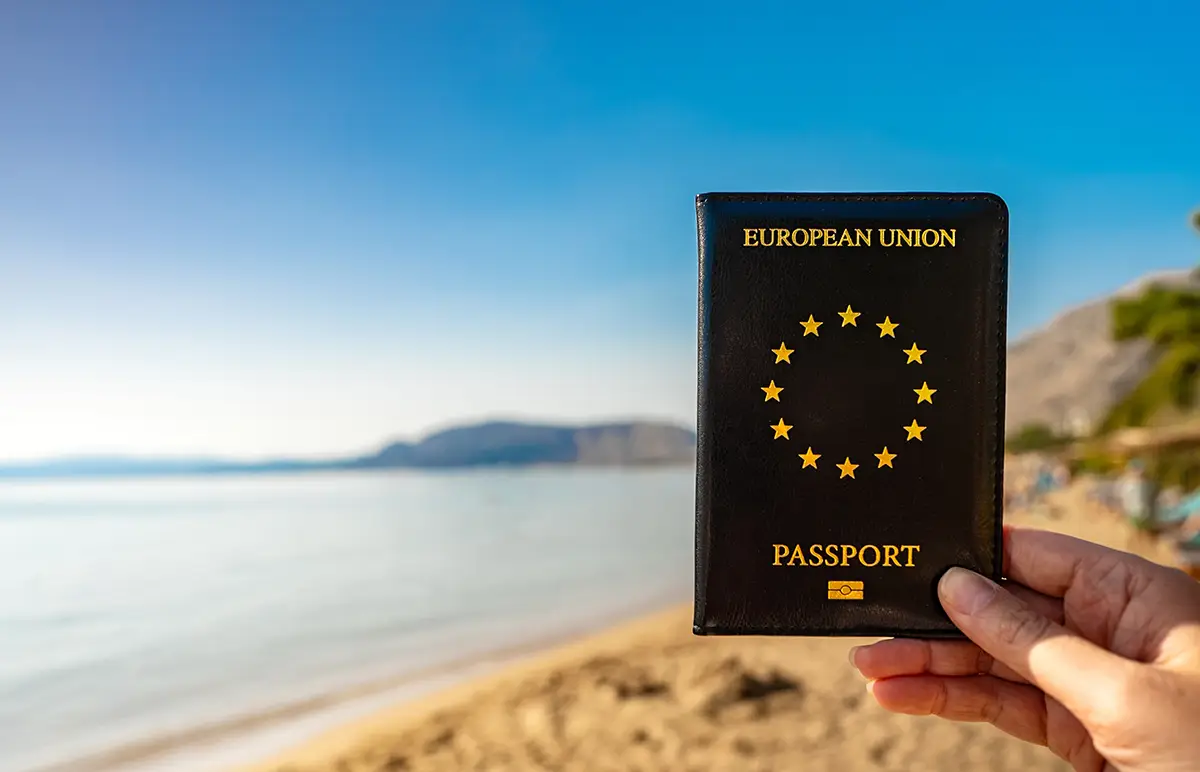
For many immigrants, including Nigerians, Europe remains one of the top four global destinations for migration, offering opportunities for education, employment, and the prospect of long-term settlement.
A 2024 report from the EU’s migration‑policy platform estimates that over 260,000 Nigerians currently reside in the European Union, highlighting the continent’s growing appeal to those seeking new prospects abroad
For many, obtaining the citizenship of these countries is the ultimate goal, a milestone that promises greater security, mobility, and access to opportunities.


Yet, in some EU nations, achieving this goal is complicated by strict dual‑citizenship restrictions.
These rules prevent individuals from holding multiple nationalities, meaning that migrants may be required to renounce their original citizenship to acquire a new one. Dual‑citizenship restrictions are designed to ensure clear lines of allegiance and accountability, addressing concerns such as taxation, military service, and political rights.
In some nations, culture plays a role, as citizenship is closely tied to national identity and social cohesion, and allowing multiple nationalities is seen as potentially weakening that unity.
Understanding which countries enforce these restrictions and the limitations at stake is therefore crucial for anyone planning to migrate.
Here are the 12 EU countries that restrict or do not allow dual citizenship
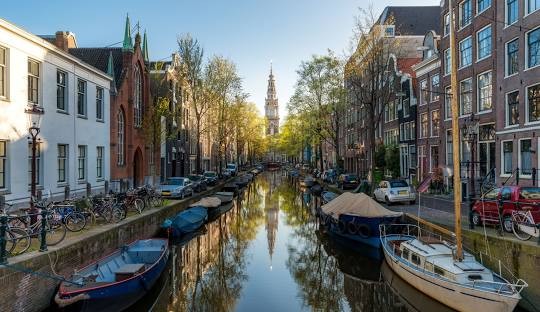
In the Netherlands, holding more than one nationality is generally discouraged. The country aims for clear and unambiguous allegiance. When someone becomes a Dutch citizen through naturalisation, the default requirement is renunciation of any prior nationality.
If a foreigner over 18 applies for Dutch citizenship by naturalisation, they are normally required to renounce their other nationality provided that is legally possible in their home country.
There are exceptions, renunciation may not be required if the home country does not allow giving up citizenship, if the applicant is married to (or in a registered partnership with) a Dutch citizen, or if they meet certain other criteria under Dutch law.
Dutch law stipulates that acquiring another nationality voluntarily can lead to automatic loss of Dutch citizenship. Also, for dual nationals living outside the Netherlands (or the wider Dutch kingdom / EU) for an extended period (e.g. 13 years) without renewing a Dutch passport or citizenship certificate, there is a risk of losing Dutch nationality.