
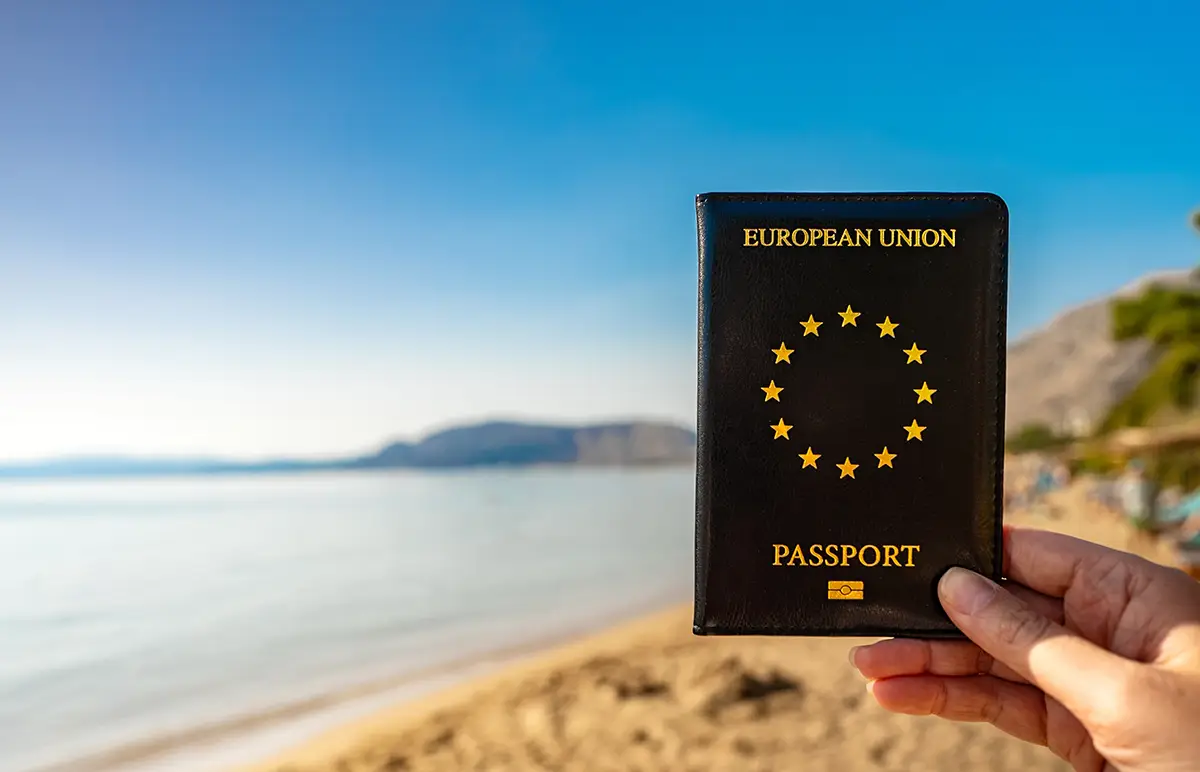
For many immigrants, including Nigerians, Europe remains one of the top four global destinations for migration, offering opportunities for education, employment, and the prospect of long-term settlement.
A 2024 report from the EU’s migration‑policy platform estimates that over 260,000 Nigerians currently reside in the European Union, highlighting the continent’s growing appeal to those seeking new prospects abroad
For many, obtaining the citizenship of these countries is the ultimate goal, a milestone that promises greater security, mobility, and access to opportunities.


Yet, in some EU nations, achieving this goal is complicated by strict dual‑citizenship restrictions.
These rules prevent individuals from holding multiple nationalities, meaning that migrants may be required to renounce their original citizenship to acquire a new one. Dual‑citizenship restrictions are designed to ensure clear lines of allegiance and accountability, addressing concerns such as taxation, military service, and political rights.
In some nations, culture plays a role, as citizenship is closely tied to national identity and social cohesion, and allowing multiple nationalities is seen as potentially weakening that unity.
Understanding which countries enforce these restrictions and the limitations at stake is therefore crucial for anyone planning to migrate.
Here are the 12 EU countries that restrict or do not allow dual citizenship
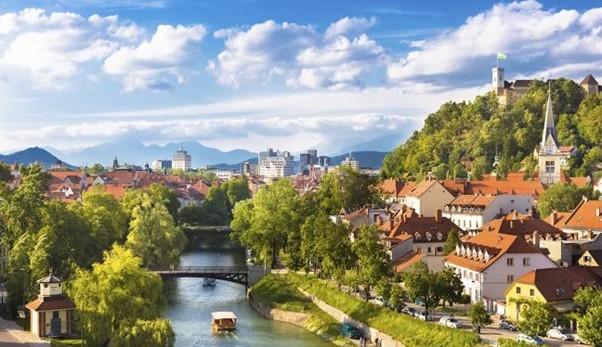
Slovenia does not have a blanket ban on dual citizenship. The country recognizes that some people may legitimately hold more than one nationality if citizenship was acquired at birth or by descent — but it puts stricter conditions on those who naturalise.
If someone is born to a Slovenian parent, or is otherwise entitled to citizenship by descent, dual nationality is typically allowed. Also, children born in a mixed-nationality marriage can hold Slovenian citizenship plus the other parent’s nationality, so long as the other country’s laws permit it.
For foreign nationals seeking to become Slovenian citizens through naturalisation, the standard requirements include a long residence period often around 10 years, language proficiency, stable means of support, clean criminal record, and integration into society. Under these circumstances, applicants are generally expected to renounce their previous citizenship unless they qualify for an exception.
There are some exceptions under the extraordinary naturalisation granted on grounds of exceptional contribution to the country either by scientific, economic, cultural, etc., foreign citizens may be allowed to retain their original nationality. Similarly, descendants of Slovenian emigrants or expatriates up to a certain generation may receive citizenship without strict renunciation rules.