
With inflation remaining a major challenge across African economies, central banks have adopted aggressive monetary tightening measures to stabilize currencies and contain rising prices.
According to data compiled by Nairametrics, Nigeria, Zimbabwe, and Ghana are among the countries with the highest Monetary Policy Rates (MPR) on the continent.
The MPR, a benchmark interest rate for lending and borrowing, remains at elevated levels across Africa, reflecting the difficult trade-off between stabilizing prices and promoting growth.

As of September 2025, Zimbabwe leads with a staggering 35% rate, while Nigeria ranks second at 27%. Ghana, Angola, and others also feature prominently. These high rates make borrowing costly for businesses and households, further slowing investment and consumption.
Below is a country-by-country snapshot of the Top 10 African countries with the most expensive borrowing rates, alongside recent inflationary trends and policy decisions.
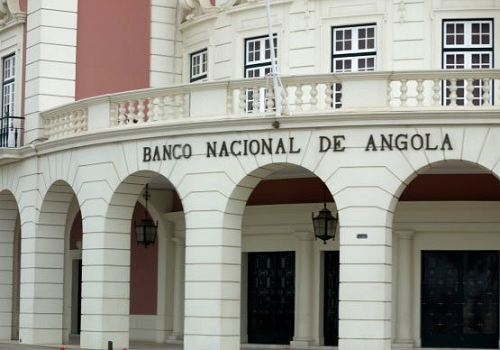
In September 2025, the Banco Nacional de Angola (BNA) or National Bank of Angola, lowered its main interest rate by 50 basis points to 19.00%.
This followed the bank’s consistently holding its key rate at 19.5% since January 2025, while reducing its liquidity absorption rate to 17.5% and easing the reserve requirement to 20%.
This decision followed a period of consistent rates and was prompted by a continued decrease in inflation, which reached 18.88% in August 2025.
The apex bank of Angola is balancing between controlling inflation and maintaining liquidity in the banking system.
High rates may help anchor the country’s currency – the kwanza, but they come at a cost to businesses still recovering from pandemic-era disruptions and rising import bills.