Follow Us on Google Discover
With inflation remaining a major challenge across African economies, central banks have adopted aggressive monetary tightening measures to stabilize currencies and contain rising prices.
According to data compiled by Nairametrics, Nigeria, Zimbabwe, and Ghana are among the countries with the highest Monetary Policy Rates (MPR) on the continent.
The MPR, a benchmark interest rate for lending and borrowing, remains at elevated levels across Africa, reflecting the difficult trade-off between stabilizing prices and promoting growth.
As of September 2025, Zimbabwe leads with a staggering 35% rate, while Nigeria ranks second at 27%. Ghana, Angola, and others also feature prominently. These high rates make borrowing costly for businesses and households, further slowing investment and consumption.
Also Read
Below is a country-by-country snapshot of the Top 10 African countries with the most expensive borrowing rates, alongside recent inflationary trends and policy decisions.
South Africa – 7% September 2025

South Africa’s central bank left its key lending rate at 7% in September, holding off from easing monetary policy further while it assesses the impact of previous rate cuts.
This policy announcement was the first since the South African Reserve Bank (SARB) said it would aim for the bottom of its 3% to 6% inflation target range rather than the middle, an effort to lock in low inflation.
SARB Governor Lesetja Kganyago said the effects of 125 basis points of rate cuts since September 2024 were still filtering through in Africa’s biggest economy.
“We want to see how this is affecting the economy, how expectations evolve, and how inflation risks are resolved,” Kganyago told a press conference.
Kenya – 9.5% August 2025
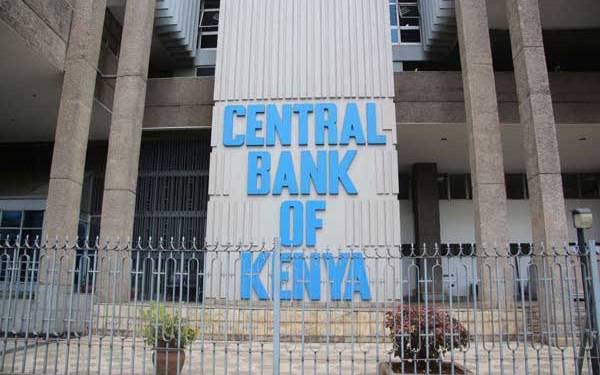
Kenya’s central bank lowered its benchmark lending rate, opens new tab by 25 basis points, saying there was room to ease monetary policy further as inflation remains well within target.
The Central Bank of Kenya (CBK) cut its policy rate to 9.50% from 9.75% previously, the seventh cut in a row.
“The (Monetary Policy) Committee concluded that there was scope for a further easing of the monetary policy stance to augment the previous policy actions aimed at stimulating lending by banks to the private sector,” the CBK said in a statement.
Kenya’s purchasing managers’ index, compiled by S&P Global and Stanbic Holdings Plc, has been in contraction territory since May, with business activity being negatively impacted by recent protests.
Despite this, Kenya’s central bank expects the economy to grow 5.2% in 2025 and 5.4% in 2026.
Zambia – 14.5% August 2025
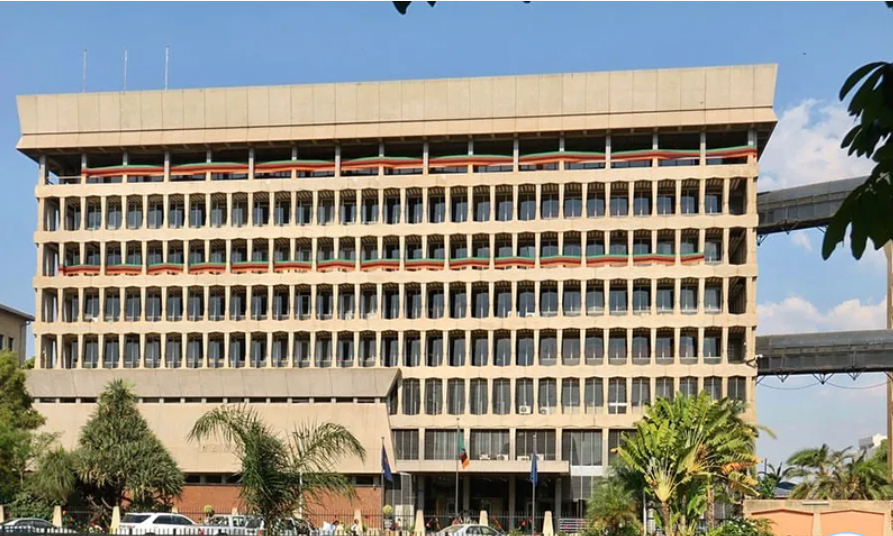
Zambia has an MPR of 14.5%. According to the Bank of Zambia, at its Monetary Policy Committee in August 2025, the decision to retain the MPR at 14.5% was necessitated by the slowing of the inflation rate to 13% in July from 14.1% in June.
The Bank of Zambia is responding to domestic cost pressures and external shocks. However, high interest rates remain a deterrent to private sector credit, and the financial system’s shallow depth limits the effectiveness of traditional monetary policy tools.
The apex bank has fixed November 10 and 11, 2025, for its next MPC meeting, where it is expected to review the policy rates.
The Gambia – 17% September 2025
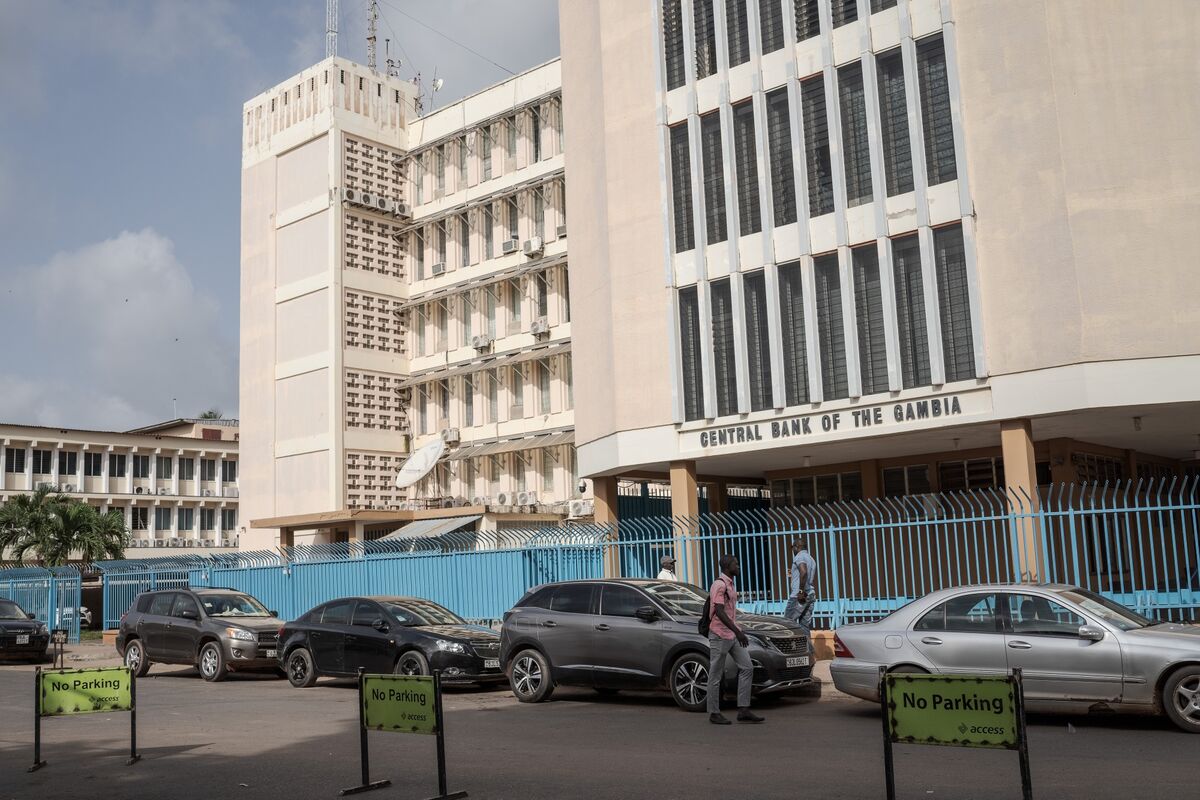
The Central Bank of The Gambia (CBG) has been on an unwavering mission to bring down inflation, a key risk to economic growth. For this reason, the bank has maintained its policy rate at 17% since September 2023.
At its meeting held on September 1 and 2, 2025, the country’s apex bank decided to maintain the Monetary Policy Rate (MPR) at 17 per cent.
The bank based its decision on the recent decline in the country’s inflation rate. According to the apex bank, inflation has moderated significantly, easing to 7.2 per cent in June 2025 before edging up slightly to 7.5 per cent in July.
The country’s current account deficit widened to US$36.9 million (1.5 per cent of GDP) in the first half of 2025, from US$25.1 million (1.1 per cent of GDP) in the first half of 2024.
According to CBG data, the goods account deficit widened to US$488.0 million (20.3 per cent of GDP) in the first half of 2025, compared to US$474.4 million (20.2 per cent of GDP) in the first half of 2024.
The country’s total imports of goods increased by 11.3 percent to US$697.7 million, primarily driven by electricity, fuel, construction and food imports. Meanwhile, total exports grew by 37.3 per cent, reaching US$209.7 million during the same period.
The apex also noted that the exchange rate of the country’s currency, Dalasi, showed moderate depreciation in the second quarter of 2025, despite an improvement in foreign currency supply conditions.
Angola – 19% September 2025
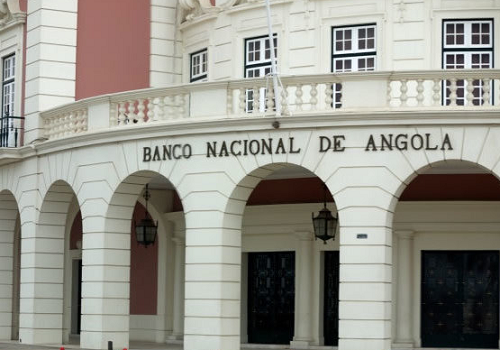
In September 2025, the Banco Nacional de Angola (BNA) or National Bank of Angola, lowered its main interest rate by 50 basis points to 19.00%.
This followed the bank’s consistently holding its key rate at 19.5% since January 2025, while reducing its liquidity absorption rate to 17.5% and easing the reserve requirement to 20%.
This decision followed a period of consistent rates and was prompted by a continued decrease in inflation, which reached 18.88% in August 2025.
The apex bank of Angola is balancing between controlling inflation and maintaining liquidity in the banking system.
High rates may help anchor the country’s currency – the kwanza, but they come at a cost to businesses still recovering from pandemic-era disruptions and rising import bills.
Ghana – 21.5% September 2025
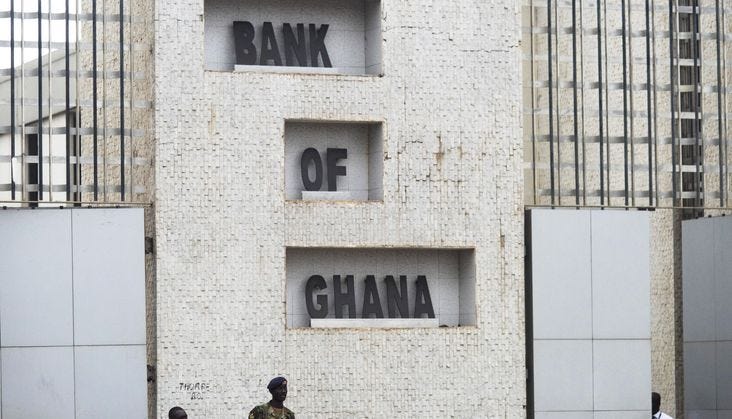
The Bank of Ghana’s Monetary Policy Committee (MPC) announced a significant reduction in the benchmark policy rate, cutting it by 350 basis points from 25% to 21.5%.
This marks the second major rate cut in 2025, as the central bank intensifies efforts to stimulate credit growth and support the country’s ongoing economic recovery.
Governor of the Bank, Dr. Johnson Asiama, made the announcement during a press briefing following the conclusion of the 126th MPC meeting held on September 17.
The apex bank attributed the decision to a sustained decline in inflationary pressures and the expectation of continued fiscal consolidation.
“This policy adjustment reflects our confidence in the trajectory of macroeconomic reforms and the improving inflation outlook,” Dr. Asiama stated.
The latest rate cut follows a 300 basis point reduction in July, when the policy rate was lowered from 28% to 25%. Earlier in March, the central bank had raised the rate slightly from 27% to 28%, before holding it steady during the May meeting.
Ghana’s inflation has shown a sharp downward trend in recent months, falling to 11.5% year-on-year in August. The central bank projects that inflation will enter its target band of 6% to 10% before the end of the year, bolstering confidence in the effectiveness of its monetary policy stance.
However, the recent depreciation of the Ghanaian cedi has introduced new challenges. The currency fell by 15% against the U.S. dollar in the third quarter, making it the second-worst performer globally.
Sierra Leone – 21.75% August 2025
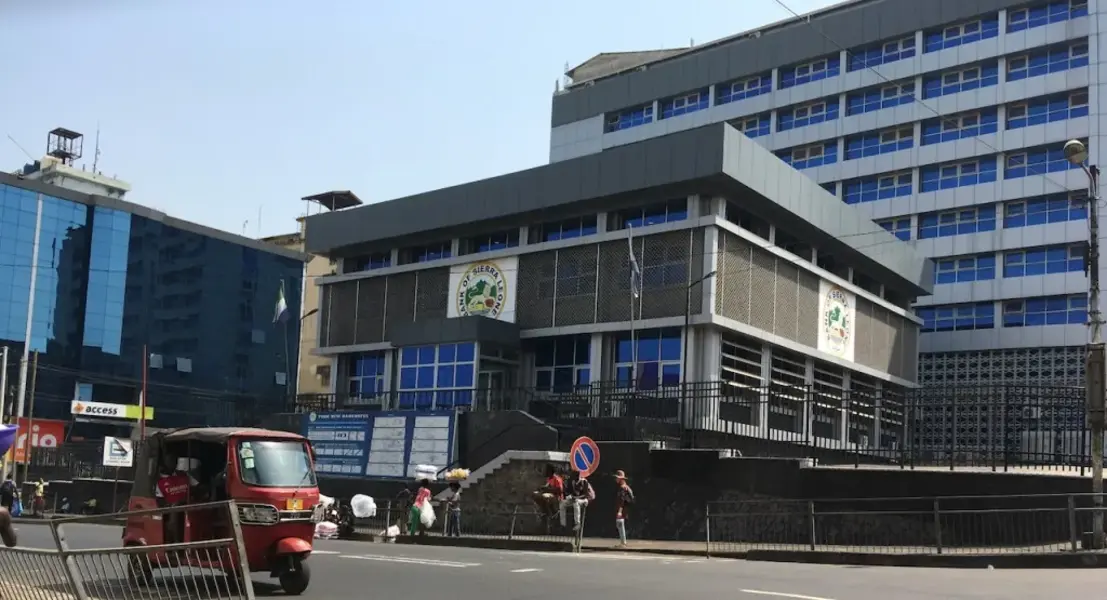
The Monetary Policy Committee (MPC) of the Bank of Sierra Leone (BSL) on 28th July 2025, announced a two percent reduction in the Monetary Policy Rate (MPR) to 21.75% from 23.75%.
In October 2024, the Bank of Sierra Leone increased its benchmark rate by 50 basis points to 24.75% to tackle inflation.
The Bank of Sierra Leone has tightened monetary policy to avoid full-blown macroeconomic instability. But with limited diversification in the economy and a large informal sector, the policy impact is uneven and makes borrowing more expensive for the productive sectors.
Egypt – 22.5% August 2025
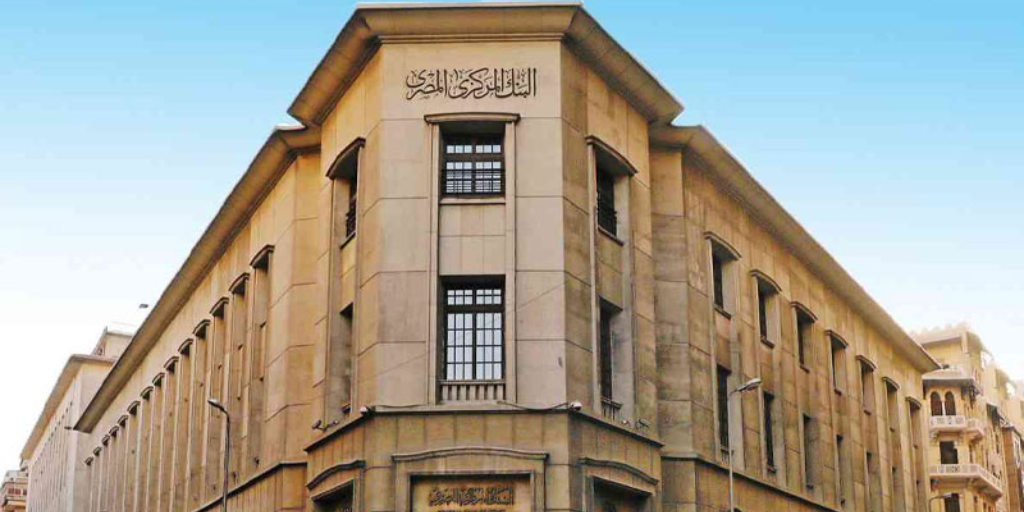
Egypt’s Central Bank, at its MPC meeting in August 2025, decided to cut the interest rate to 22.5%, from 24.5%.
Despite multiple IMF-supported adjustments, inflation remains elevated due to imported food and energy costs.
The tight monetary stance is necessary to stabilize the Egyptian pound and signal discipline to investors. However, it has slowed down domestic investment and pushed more borrowers toward the informal financial market.
Nigeria – 27% September 2025
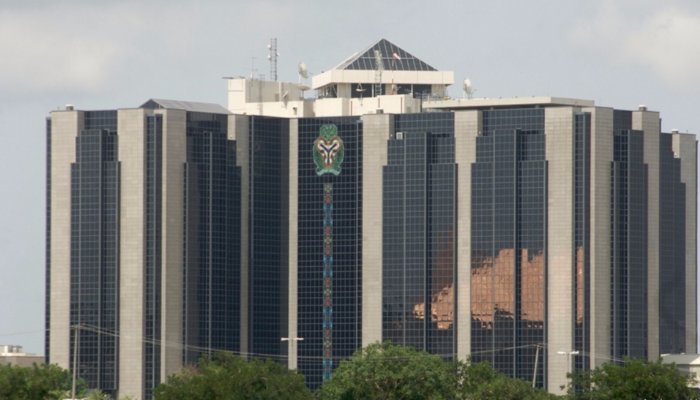
The Central Bank of Nigeria (CBN) announced a reduction of the Monetary Policy Rate (MPR) by 50 basis points, lowering it from 27.5 per cent to 27 per cent at its MPC meeting in September.
This adjustment, according to the CBN, is intended to strengthen liquidity management and provide clearer signals to the financial markets.
The MPC’s decisions come against the backdrop of fresh data from the National Bureau of Statistics (NBS), which showed that Nigeria’s inflation rate eased to 20.12 per cent in August 2025, down from 21.88 per cent in July.
Nigeria’s economy grew by 4.23 per cent in real terms in the second quarter of 2025, driven by strong performance in both oil and non-oil sectors, according to NBS.
External reserves have also climbed close to $42 billion, providing additional buffers for monetary stability.
Zimbabwe – 35.00% August 2025
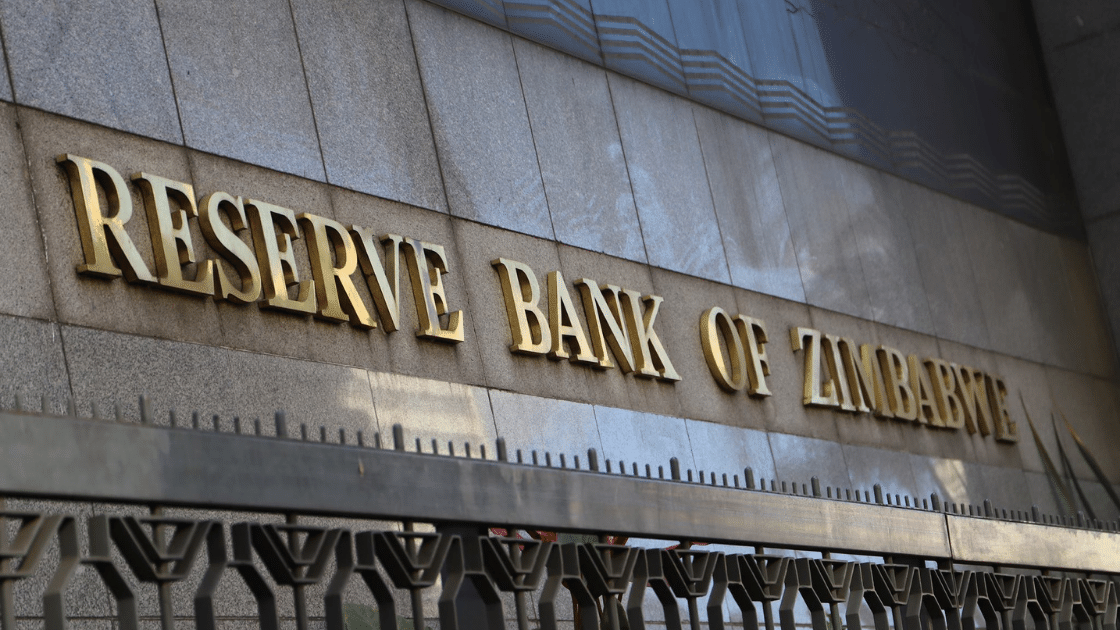
Zimbabwe tops the chart with a 35% benchmark rate. The Reserve Bank of Zimbabwe (RBZ) kept the rate unchanged in March 2025 to anchor inflation and stabilize its gold-backed ZiG currency.
Despite weak demand, the RBZ prioritized price control amid fears of resurging inflation, driven by structural vulnerabilities and currency volatility. The rate was set following a 43% devaluation of the ZiG in late 2024.
The apex bank’s governor, John Mushayavanhu,
While the move reflects a tightening stance, it has also made credit nearly inaccessible for businesses and consumers. The cost of borrowing has choked growth prospects, pushing more activity into the informal sector.
Why this matters
The MPR serves as the benchmark for all interest rates in a country. Commercial banks generally lend at rates above the MPR, making it a critical tool for controlling inflation and influencing credit conditions.
When inflation rises, central banks typically hike the MPR to reduce money supply and cool price pressures. Conversely, lowering the MPR can stimulate borrowing and spending in periods of economic slowdown.