Follow Us on Google Discover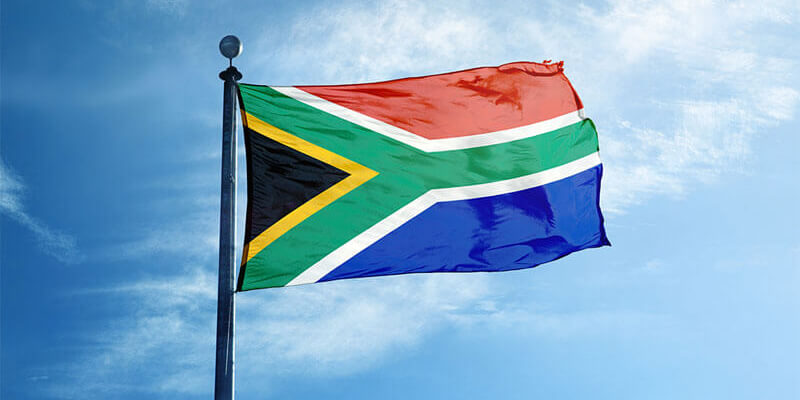
Africa’s richest economy, South Africa, with a gross domestic product of $400 billion is considering expanding its high-wealth tax net as part of efforts to raise revenue and close persistent fiscal gaps.
The South African Revenue Service (SARS) disclosed that it is reviewing the criteria for its High Wealth Individual (HWI) unit, which currently manages taxpayers with gross assets of at least 75 million rand ($4.3 million).
According to SARS, this threshold may soon be lowered to capture a wider pool of wealthy South Africans.
Natasha Singh, Director of the HWI unit, confirmed the development. “We want to expand our base. There are many ways we can do this: one is to bring on board more taxpayers with 75 million rand in gross assets, another is to lower the criteria and potentially move toward the measures used in Africa or global reports on high-net-worth individuals,” she said.
Also Read
Why this matter
The development comes at a time when both South Africa and Nigeria are struggling with sluggish growth, rising debt, and widening fiscal deficits. Like Nigeria, South Africa has faced resistance to broad-based tax hikes such as Value-Added Tax (VAT), forcing policymakers to look at wealthier citizens for additional revenue.
- Particularly as it mimics, recent policy reforms that have placed new demands on how taxation processes are executed in Africa’s most populous nation, Nigeria.
- In Nigeria, President Bola Tinubu’s introduced a comprehensive tax reform bill that seeks to increase collections from high-income earners while easing the burden on small businesses and low-income households.
The proposed framework includes tightening compliance among high-net-worth individuals, expanding luxury taxes, and introducing digital tracking systems for assets.
How big is the wealth pool?
In South Africa, private data suggests SARS is still scratching the surface. A 2024 wealth report by Henley & Partners and New World Wealth estimated over 37,400 millionaires in the country, with Knight Frank reporting more than 5,000 ultra-high-net-worth individuals (worth above $10 million).
- Nigeria, meanwhile, has a smaller millionaire population but one that is rapidly expanding due to growth in banking, tech, and oil-linked wealth. A Knight Frank report in 2024 put Nigeria’s millionaire population at over 12,000, with about 500 individuals worth $10 million or more. This group is now firmly in the sights of the Federal Inland Revenue Service (FIRS) under Tinubu’s reform agenda.
- While wealth taxation appears politically attractive, both countries face the same challenge: capital flight. In South Africa, parliament warned that as much as 49 billion rand could be lost annually if just 10% of top taxpayers emigrated. Nigeria’s experience has been similar, with wealthy Nigerians increasingly relocating funds abroad or seeking second citizenships to shield assets.
Still, the potential gains are significant. South Africa’s HWI unit collected 8.7 billion rand in the year through March 2024. Nigeria’s government is banking on improved compliance and broader coverage to meet its ambitious goal of lifting tax-to-GDP from 10.8% to 18% within the next three years.