Follow Us on Google Discover
Access to quality healthcare remains a critical driver of life expectancy and population well-being.
Recognizing the vital role that effective medical services play in public health, Nairametrics explores the Africa Health Care Index to identify cities offering the best healthcare systems across the continent.
The Africa Health Care Index 2025 mid-year report highlights the continent’s leading cities in healthcare delivery, measuring staff competence, diagnostic capacity, service responsiveness, affordability, and accessibility.
The accompanying Health Care Exp Index provides further depth by balancing positive and negative factors.
Methodology
The ranking is based on Numbeo’s analysis of eight key factors, including the competency of medical staff, speed and accuracy of examinations, availability of modern equipment, affordability, accessibility, and responsiveness of healthcare services.
While challenges persist, the index shows that several African cities are offering increasingly reliable and efficient healthcare systems, which are critical for disease prevention, community resilience, and overall well-being.
Below are the top 10 African cities for healthcare in 2025, ranked by their Healthcare Index scores:
Rabat, Morocco

Healthcare Index: 48.1 | Exp Index: 95.0 | Rank: 10
Rabat rounds out the top 10, recording a Healthcare Index score of 48.1 and an Expenditure Index of 95.0. The ranking is fueled by Morocco’s push for universal healthcare coverage and large-scale hospital infrastructure projects.
Ongoing reforms have expanded access to specialized treatment, solidifying its role as a key healthcare hub in North Africa.
Accra, Ghana

Healthcare Index: 56.6 | Exp Index: 100.8 | Rank: 9
Accra takes the ninth position with a Healthcare Index score of 56.6 and an Expenditure Index of 100.8, reflecting Ghana’s reforms under the National Health Insurance Scheme (NHIS) and steady investments in primary healthcare.
Expansion by private hospitals has improved service delivery, boosting patient confidence and raising the city’s competitiveness in West Africa.
Tunis, Tunisia
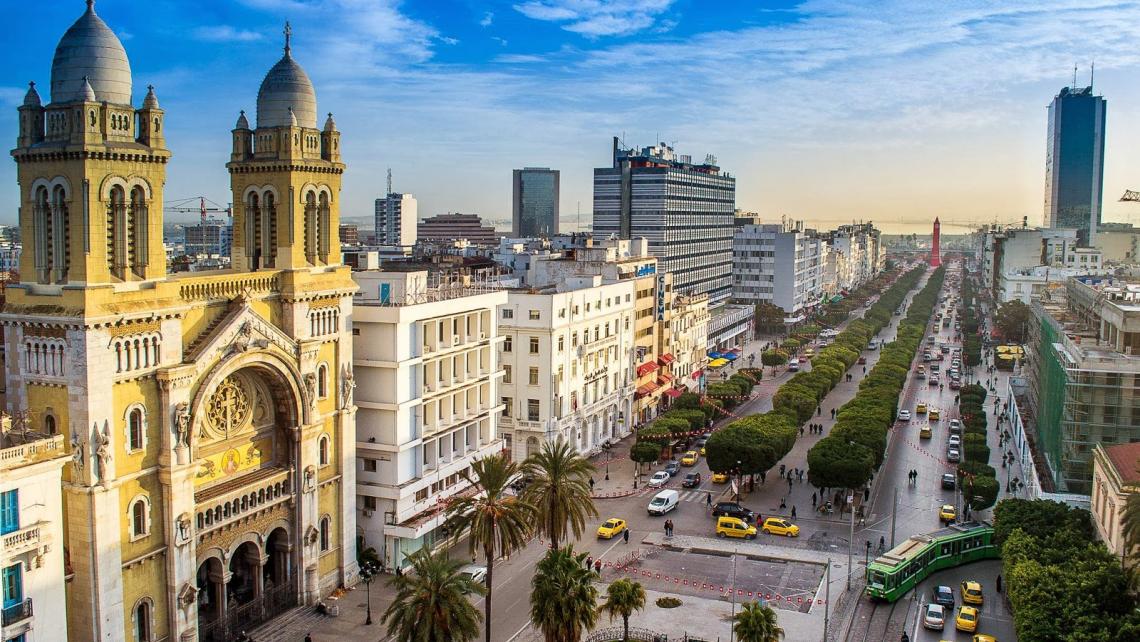
Healthcare Index: 57.1 | Exp Index: 101.2 | Rank: 8
Tunis ranks eighth on Numbeo’s 2025 Health Care Index with a Healthcare Index score of 57.1 and an Expenditure Index of 101.2. The city leverages strong medical training institutions, research centers, and a growing private hospital sector.
It is also positioning itself as a hub for affordable medical tourism, attracting patients from neighboring North African countries.
Algiers, Algeria

Healthcare Index: 57.2 | Exp Index: 101.5 | Rank: 7
Algiers secures the seventh spot, driven by Algeria’s long-standing investment in state-funded healthcare and free medical services.
According to Numbeo, Algiers ranks with a Healthcare Index score of 57.2 and an Expenditure Index of 101.5.
Despite infrastructure gaps, the universal healthcare policy ensures broad accessibility, making the capital a stronghold for North African healthcare delivery.
Durban, South Africa

Healthcare Index: 58.7 | Exp Index: 104.3 | Rank: 6
Durban ranks sixth on Numbeo’s 2025 Health Care Index, with a Healthcare Index score of 58.7 and an Expenditure Index of 104.3.
The city’s ranking is driven by well-equipped hospitals, a growing private sector, and its strategic role as a port city supporting medical supply chains.
Its strength in specialist care and advanced diagnostic services makes it one of Southern Africa’s key healthcare hubs.
Johannesburg, South Africa

Healthcare Index: 60.5 | Exp Index: 108.6 | Rank: 5
Johannesburg ranks fifth on Numbeo’s 2025 Africa Health Care Index, with a Healthcare Index score of 61.8 and an Expenditure Index of 110.2.
The city’s healthcare system is home to large tertiary hospitals and leading private healthcare groups, making it a medical tourism destination. However, strong support for HIV and cancer care programs has boosted its ranking, though rising costs remain a challenge for local affordability.
Public-private partnerships and South Africa’s continued investment in specialized healthcare services make Johannesburg one of Africa’s most advanced urban healthcare hubs.
Nairobi, Kenya
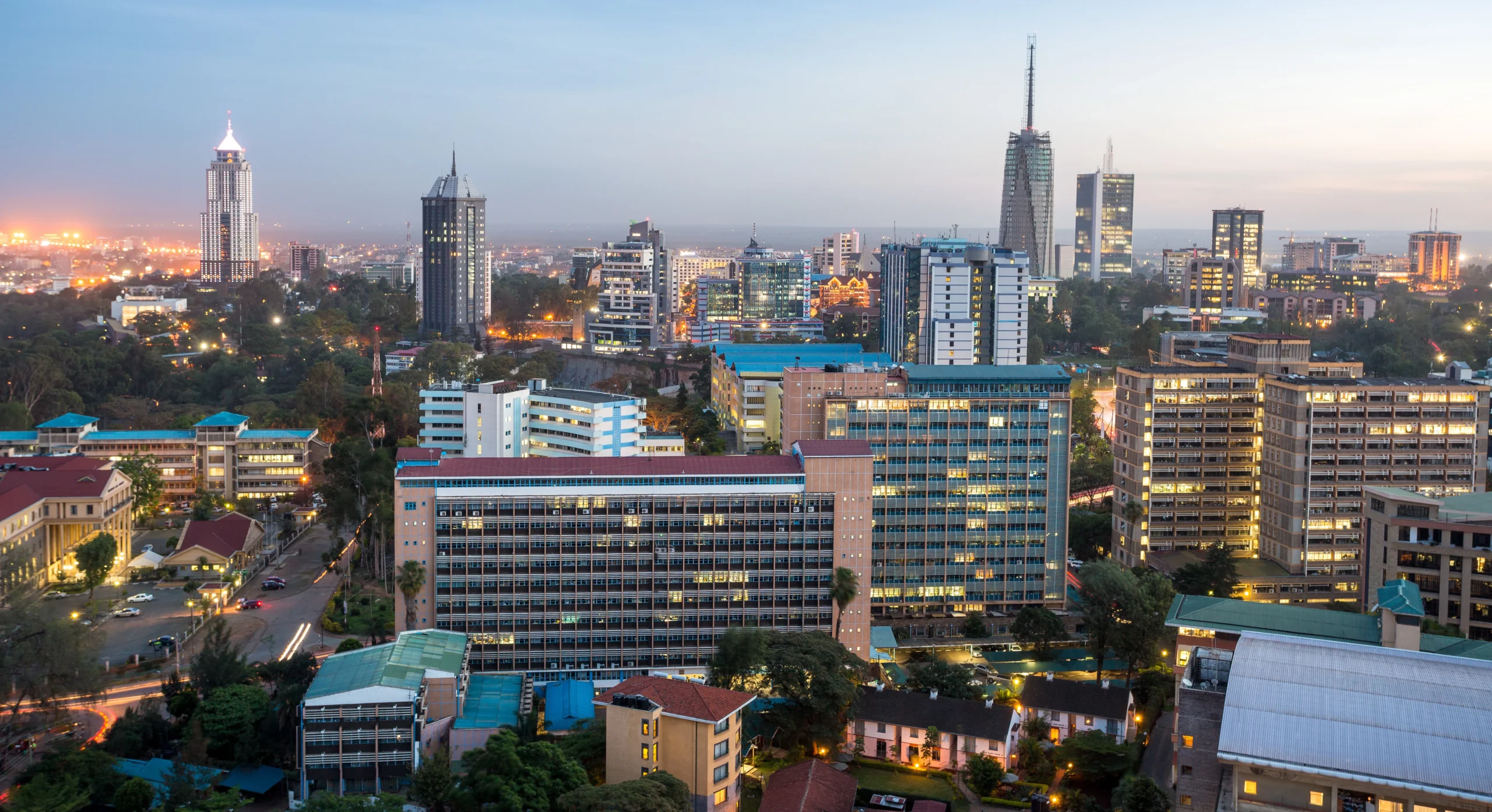
Healthcare Index: 63.2 | Exp Index: 112.7 | Rank: 4
Nairobi holds the fourth spot on Numbeo’s 2025 Africa Health Care Index, with a Healthcare Index score of 63.2 and an Expenditure Index of 112.7.
The city’s progress is driven by investment in digital health, private hospital expansion, and government initiatives to widen access. Kenya’s commitment to technology-driven solutions such as telemedicine and mobile health has established Nairobi as a competitive healthcare hub in Africa.
Pretoria, South Africa

Healthcare Index: 66.5 | Exp Index: 120.0 | Rank: 3
Pretoria combines specialized teaching hospitals and medical research institutes, making it a center for innovation in South African healthcare.
It is also third on Numbeo’s Health Care Index 2025 list of countries with the best health care in Africa, with a Healthcare Index of 66.5 and an Expenditure Index of 120.0.
Backed by consistent government funding for tertiary care and medical innovation, training and infrastructure has made Pretoria a center for healthcare excellence in the region.
Windhoek, Namibia

Healthcare Index: 67.4 | Exp Index: 121.5 | Rank: 2
Windhoek ranks second in Africa’s 2025 Health Care Index, with a strong score of 67.4 on healthcare delivery and an impressive 121.5 on expenditure. The city is recognized for its accessible primary healthcare, efficient referral systems, and balance between public and private sector participation.
Namibia’s government has prioritized universal health coverage (UHC), rural outreach programs, and strategic investments in telemedicine and maternal health services. These, alongside well-regulated private healthcare facilities, have made Windhoek one of the continent’s most reliable healthcare hubs.
According to Numbeo, Namibia scores high on satisfaction with healthcare costs, reflecting its affordability compared to many African peers.
Cape Town, South Africa

Healthcare Index: 68.9 | Health Care Exp. Index: 125.6 | Rank: 1
Cape Town tops Numbeo’s 2025 Mid-Year Africa Health Care Index, with a Healthcare Index score of 68.9 and a high Expenditure Index of 125.6. The city is distinguished by world-class hospitals, advanced diagnostic facilities, and strong private sector participation.
South Africa’s relatively higher healthcare spending, coupled with National Health Insurance (NHI) pilot projects, medical tourism policies, and continuous investment in specialist training, reinforces Cape Town’s healthcare leadership.
The city also ranks highly on skill and competency of medical staff, speed in completing examinations and reports, diagnostic accuracy, and modern equipment availability, making it a benchmark for healthcare quality in Africa.
Note: Lagos, which is Nigeria’s only city featured in the ranking, slipped from the 8th position in 2024 to number 11 this year.
Lagos maintained a Healthcare Index score of 47.5, unchanged from 2024. However, improvements in other African cities pushed Nigeria’s commercial capital down from 8th place in 2024 to 11th in 2025.
The decline highlights the need for Nigeria to accelerate healthcare reforms and investments to remain competitive. Across the continent, cities such as Cape Town, Durban, and Accra are making strides through stronger infrastructure, modern diagnostics, and skilled medical professionals.
Lagos continues to host Nigeria’s largest concentration of hospitals, yet public facilities remain overcrowded, infrastructure underfunded, and out-of-pocket healthcare costs high. While the private sector is expanding, its impact on nationwide outcomes remains limited, highlighting persistent gaps in accessibility and service quality.