• Login
  • Register
Nairametrics
  • Home
  • Exclusives
    • Recapitalization
      • Access Holdings Offer
      • Fidelity Bank Offer
      • GTCO Offer
      • Zenith Bank Offer
    • Financial Analysis
    • Corporate Stories
    • Interviews
    • Investigations
    • Metrics
    • Nairalytics
  • Economy
    • Business News
    • Budget
    • Public Debt
    • Tax
  • Markets
    • Currencies
    • Cryptos
    • Commodities
    • Equities
      • Company Results
      • Dividends
      • Public Offer & Right Issues
      • Stock Market News
    • Fixed Income
    • Funds Management
    • Securities
  • Sectors
    • Agriculture
    • Aviation
    • Company News
    • Consumer Goods
    • Corporate Updates
    • Corporate deals
    • Corporate Press Releases
    • Energy
    • Entertainment
    • Financial Services
    • Health
    • Hospitality & Travel
    • Manufacturing
    • Real Estate and Construction
    • Renewables & Sustainability
    • Tech News
  • Financial Literacy
    • Career tips
    • Personal Finance
  • Lifestyle
    • Billionaire Watch
    • Profiles
  • Opinions
    • Blurb
    • Market Views
    • Op-Eds
    • Research Analysis
  • Home
  • Exclusives
    • Recapitalization
      • Access Holdings Offer
      • Fidelity Bank Offer
      • GTCO Offer
      • Zenith Bank Offer
    • Financial Analysis
    • Corporate Stories
    • Interviews
    • Investigations
    • Metrics
    • Nairalytics
  • Economy
    • Business News
    • Budget
    • Public Debt
    • Tax
  • Markets
    • Currencies
    • Cryptos
    • Commodities
    • Equities
      • Company Results
      • Dividends
      • Public Offer & Right Issues
      • Stock Market News
    • Fixed Income
    • Funds Management
    • Securities
  • Sectors
    • Agriculture
    • Aviation
    • Company News
    • Consumer Goods
    • Corporate Updates
    • Corporate deals
    • Corporate Press Releases
    • Energy
    • Entertainment
    • Financial Services
    • Health
    • Hospitality & Travel
    • Manufacturing
    • Real Estate and Construction
    • Renewables & Sustainability
    • Tech News
  • Financial Literacy
    • Career tips
    • Personal Finance
  • Lifestyle
    • Billionaire Watch
    • Profiles
  • Opinions
    • Blurb
    • Market Views
    • Op-Eds
    • Research Analysis
Nairametrics
Home Financial Literacy

Understanding stock trading orders

Uche Ndimele by Uche Ndimele
September 5, 2019
in Financial Literacy, Markets
Stock, stock, trading, Nigerian-stocks, Nigerian Stock Exchange Weekly Report

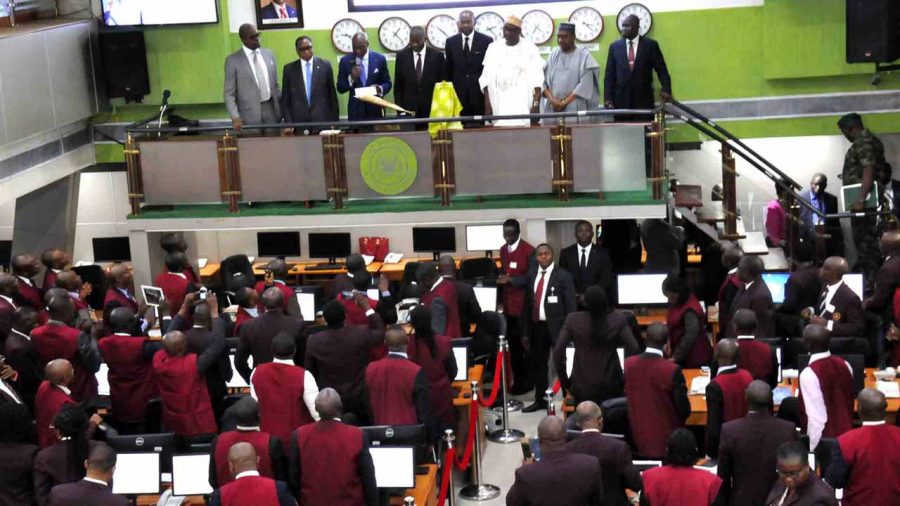
Floor of the Nigerian Stock Exchange

Share on FacebookShare on TwitterShare on Linkedin

Stock investing is so different from going to the market to buy groceries or electronics so much such that the type of orders you place determines whether your trade is executed or not and at what price and time.

Choosing the right order is quite a necessary ingredient of profitable trading especially in current days where online trading platforms abound and where investors place orders directly. The type of order, however, depends on what the investor wants to achieve or his or her particular circumstance with respect to the object of the order. Here are some of the stock trading orders in use:

[READ MORE] How to read stock market tables(Opens in a new browser tab)

MoreStories

Weekly Stock Update: Nigerian Exchange Group record growth w-o-w, up by 0.48%

Transcorp Hotels, BUA Cement lead heavyweights as All-Share Index adds N600 billion

March 12, 2026
CBN Treasury Bills

Nigeria’s Treasury Bills Auction attracts N2.78 trillion exceeds N850bn offer

March 12, 2026

The Market Order

When you give a market order you are requesting that a buy or sell trade be executed at current market price. This is the preferred order in a fast market condition or when the trader wants to ensure that a position is taken and when the trader is so desperate that he does not want to miss a potentially dynamic market move. For example, a trader who thinks that the recent announcement that Jack Ma was stepping down from Alibaba would lead to a decline in the price of Alibaba shares and desperate to lock in his profit will issue a sell market order.

Limit Order

In a limit stock order, the trader or investor specifies the price he is willing to pay to buy or accept for a sell. Usually, a buy limit order is placed below the current market price and it states the highest price the trader or investor placing the order is willing to pay for a purchase. On the other hand, a sell limit order is usually placed over the current market price and indicates the lowest price the seller is willing to accept. This type of order is used after a bullish breakout when the buyer wants to buy a downside reaction closer to a support.

[Read Also: How Mark to Market Affects You as an Investor]

Stop Order

A Stop Order is normally used to establish a new position, limit a loss on an existing position or protect a profit. Like a limit order, a stop order specifies a price at which an order is to be executed. Usually, a buy stop is placed over the current market price while a sell stop is placed under the current market price. The implication of a stop order is that once the stop price is hit, the order becomes a market order and is executed at the best price possible. Since the stop order becomes a market order upon reaching the stop price, the actual price at which the order is eventually executed may be beyond the stop price, especially in a fast market.

Stop Limit Order

A Stop limit order combines the attributes of a stop and a limit order in that it specifies both a stop price where the trade is activated and a limit price. Once the stop is elected, the order becomes a limit order. This type of order is most useful when the trader or investor wants to buy or sell a breakout while controlling the price paid or received.

There could be some other trading orders, Fill or Kill (FOK) where an order gets terminated if not executed by the close of business or Good till Cancelled (GIC) order meaning that even if the order is not executed, it remains active until executed or cancelled by the trader who initiated the order.

Each of these orders are appropriate at certain times and each has its own advantages and disadvantages. For example, market orders guarantee a trade execution, but it may result in “market chasing”. Market chasing is the tendency to buy a highly valued position once the stock price increased rapidly and to offload on a stock position as soon as the stock loses some considerable worth.

[Read Also: Experts advise on ways to ensure market penetration in insurance sector]

Market chasing often times results in loses due to emotional and irrational trading. In the same way, limit and stop limit orders provide more control and better prices but it comes with the risk of missing the market. Although stop orders are recommended for protecting profits and limiting loses, but the use of buy or sell stop (where short sales are permitted) to initiate a position may result in bad trade executions or fills.

As an investor or trader, it is a good practice to familiarise yourself with the different types of orders, their strengths and weaknesses as each one of them may become handy in your stock investment journey. For those who invest across markets or in foreign markets, it will be helpful to find out which orders are permitted on the exchange where you trade and use them as required.

[Read Also: Can Berger Paints increase market dominance by reducing prices?]


Add Nairametrics on Google News
Follow us for Breaking News and Market Intelligence.
Tags: limit orderMarket orderNSEOn the MoneystockStock Exchangestock ordersstock tradingstop orderUnderstanding stock
Uche Ndimele

Uche Ndimele

Uchenna Ndimele is the President of Quantitative Financial Analytics Ltd. MutualfundsAfrica.com and mutualfundsnigeria.com (both Quantitative Financial Analytics company website) is a leader in supplying mutual fund information, analysis, and commentary on African mutual funds. We provide reliable fund data; and ratings information that will add value to fund managers, the media, individual investors and investment clubs.

Next Post
Startups

Watch your step: These 3 habits are startup killers

Comments 1

  1. Ola Ilesanmi says:
    September 13, 2019 at 3:31 pm

    Good writeup
    Bless you

    Reply

Leave a Reply Cancel reply

Your email address will not be published. Required fields are marked *

rabafast
rabafast

nairametrics


DUNS

Follow us on social media:

  • HOME
  • ABOUT NAIRAMETRICS
  • CONTACT US
  • DISCLAIMER
  • ADs DISCLAIMER
  • COPYRIGHT INFRINGEMENT

© 2026 Nairametrics

Welcome Back!

Login to your account below

Forgotten Password? Sign Up

Create New Account!

Fill the forms below to register

All fields are required. Log In

Retrieve your password

Please enter your username or email address to reset your password.

Log In
Social Media Auto Publish Powered By : XYZScripts.com
No Result
View All Result
  • Home
  • Exclusives
    • Recapitalization
      • Access Holdings Offer
      • Fidelity Bank Offer
      • GTCO Offer
      • Zenith Bank Offer
    • Financial Analysis
    • Corporate Stories
    • Interviews
    • Investigations
    • Metrics
    • Nairalytics
  • Economy
    • Business News
    • Budget
    • Public Debt
    • Tax
  • Markets
    • Currencies
    • Cryptos
    • Commodities
    • Equities
      • Company Results
      • Dividends
      • Public Offer & Right Issues
      • Stock Market News
    • Fixed Income
    • Funds Management
    • Securities
  • Sectors
    • Agriculture
    • Aviation
    • Company News
    • Consumer Goods
    • Corporate Updates
    • Corporate deals
    • Corporate Press Releases
    • Energy
    • Entertainment
    • Financial Services
    • Health
    • Hospitality & Travel
    • Manufacturing
    • Real Estate and Construction
    • Renewables & Sustainability
    • Tech News
  • Financial Literacy
    • Career tips
    • Personal Finance
  • Lifestyle
    • Billionaire Watch
    • Profiles
  • Opinions
    • Blurb
    • Market Views
    • Op-Eds
    • Research Analysis
  • Login
  • Sign Up

© 2026 Nairametrics