
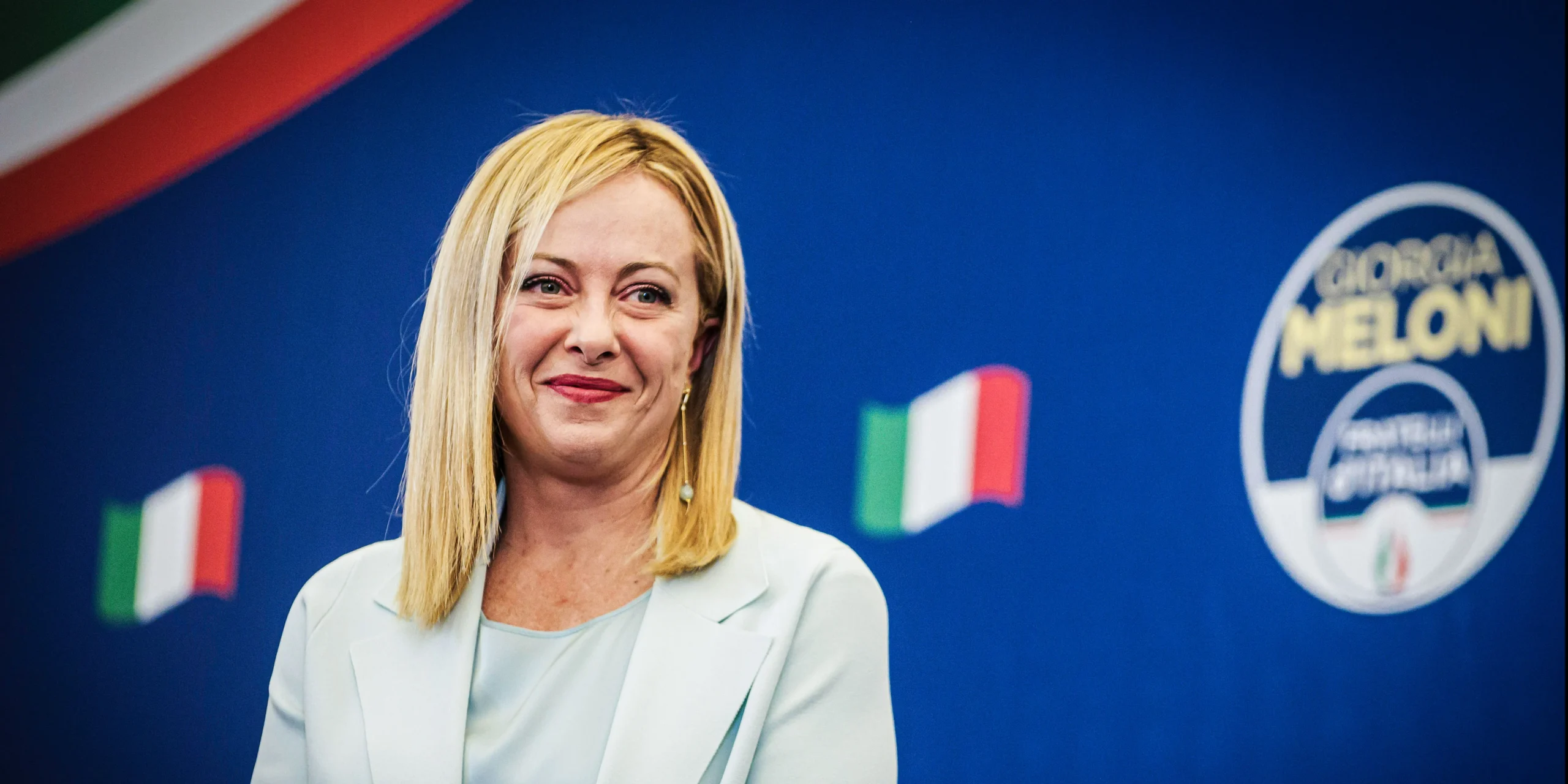
Italy has proposed allowing African countries to temporarily suspend debt repayments when they are hit by extreme climate events.
This is as concerns grow over the continent’s rising debt burden and exposure to climate-related economic shocks.
Speaking at the close of the second Italy Africa meeting in Addis Ababa on Friday, Italian Prime Minister Giorgia Meloni said discussions with African leaders and partners were heavily focused on debt sustainability and development financing.

What they are saying
According to Meloni, Italy is seeking to introduce more flexible mechanisms that recognise the growing impact of climate change on African economies.
- “Today, once again, we focused on an issue that is central for Africa, which is debt,” Meloni said. She explained that Rome has launched a broad initiative aimed at converting debt into joint development projects, while also proposing the introduction of debt-suspension clauses for countries affected by extreme climate events such as floods, droughts, or other weather-related disasters.
Under the proposal, countries facing climate shocks would be able to pause debt repayments, freeing up fiscal space to respond to emergencies and rebuild critical infrastructure. However, Meloni did not provide specific details on how the suspension mechanism would be structured, the duration of such suspensions, or which African countries might qualify to take part in the scheme.
The Italian prime minister is expected to attend the plenary session of the 39th Ordinary Meeting of the Assembly of Heads of State and Government of the African Union, where debt, climate resilience and development financing are key items on the agenda.
Backstory
Meloni’s proposal comes at a time when debt pressures across Africa are intensifying. According to a recent report by S&P Global Ratings, African governments are expected to face close to $90 billion in external debt repayments in 2026, highlighting the scale of the continent’s mounting debt servicing obligations.
The report shows that expected government external debt repayments in 2026 are more than three times the levels recorded in 2012, reflecting a decade of rising borrowing and increasing exposure to hard-currency liabilities. These repayment schedules are placing strain on external reserves, raising refinancing risks and limiting fiscal flexibility at a time when many African economies are also grappling with climate-related disruptions.
Nigeria is poised to be among the African countries facing significant debt repayment pressures in 2026, as governments across the continent contend with maturing obligations amid a challenging global financial environment. The S&P analysis notes that nearly one-third of Africa’s projected external debt repayments, about $27 billion relate to Egypt, which currently holds the continent’s largest debt burden.
What you should know
Italy has made deeper engagement with Africa a cornerstone of its foreign policy in recent years, particularly through its Mattei Plan.
The initiative is designed to build long-term partnerships with African countries in strategic sectors such as energy, agriculture and infrastructure, while also addressing broader economic development and migration challenges.
Reports say initiatives that link debt relief to climate shocks are gaining traction as policymakers search for more adaptive and resilient financing frameworks.