Follow Us on Google Discover
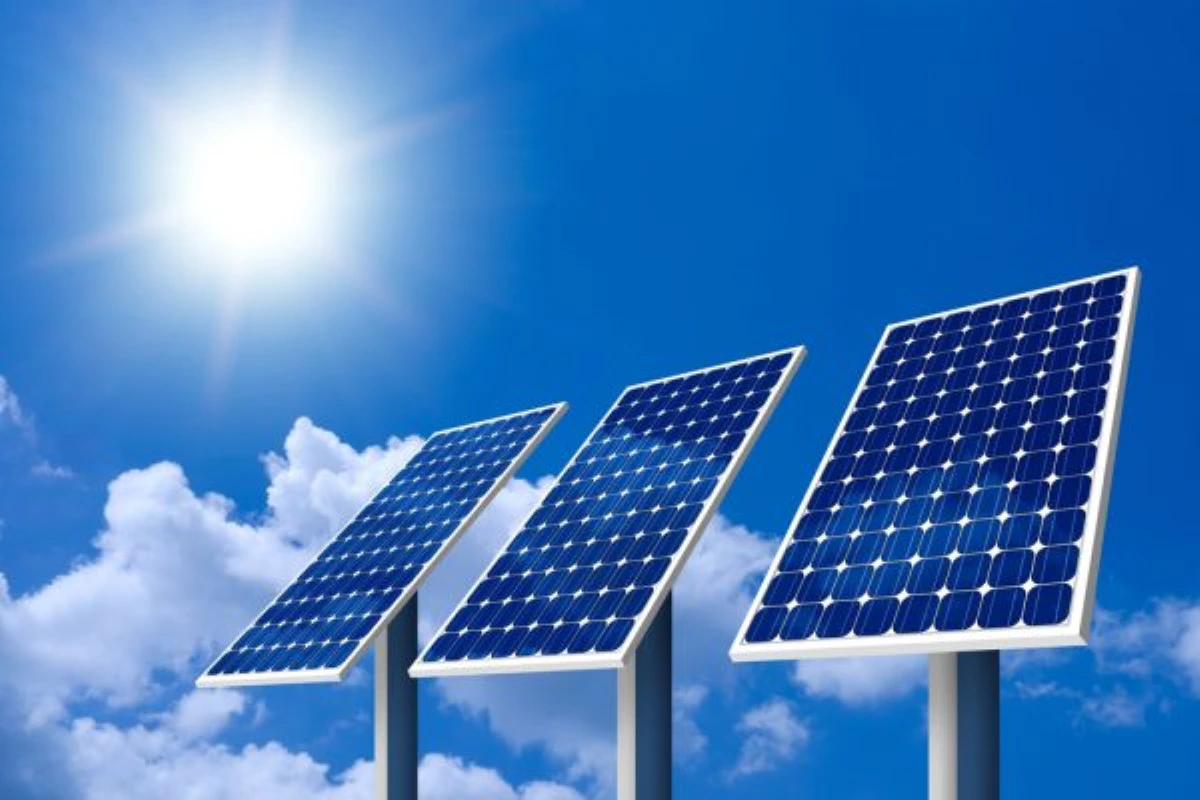
Okra Solar has secured a $7 million debt facility from British International Investment (BII), the UK’s development finance institution, to procure equipment for approximately 150,000 new solar-powered connections in rural Nigeria.
The financing could provide electricity to as many as 750,000 people, according to a BII statement dated November 10, 2026.
It will allow the company to purchase equipment in larger volumes and reduce delivery times to Nigeria from about four months to two months.
Okra secures funding for 150,000 connections
The facility will enable Okra to purchase solar photovoltaic equipment, batteries and other components upfront and in larger volumes, rather than waiting for project agreements to be finalised before procuring equipment.
Also Read
Okra currently has more than 13,000 connected households and over 2.3 megawatts (MW) of installed capacity. The new financing is expected to support more than ten times its existing connections.
- “British International Investment (BII), the UK’s development finance institution and impact investor, today announced a $7 million debt facility to Okra, a provider of mesh-grid technology for off-grid communities. The investment will help accelerate access to reliable and clean electricity, primarily in Nigeria,” the statement read in part.
- It added, “BII’s financing will enable Okra to procure equipment for approximately 150,000 new connections, with the potential to provide electricity to 750,000 people in rural Nigeria for the first time. With Okra’s current installed base at more than 13,000 households and over 2.3MW of installed capacity, the facility will enable the company to achieve more than 10x its connections.”
Okra Solar CEO Afnan Hannan said the financing would change how the company procures critical components.
- “Every month a project is delayed is another month a community goes without power. Until now, we would only order components once a transaction had closed, in batches of a few thousand units. With BII’s facility, we are procuring long lead time components, batteries, and solar PV equipment upfront and in volume, reducing costs and having stock ready when a developer signs. Equipment reaches Nigeria in less than ⅓ of the time – getting the lights on sooner,” he said.
BII’s Director and Head of Infrastructure & Climate Debt for Africa and South Asia, Geoffrey Manley, said access to appropriate financing was as important as technology in helping energy companies expand.
How Okra’s mesh-grid technology works
Okra’s mesh-grid technology combines solar generation, battery storage and smart controls, allowing neighbouring homes and businesses to share electricity within a community.
The model is designed to serve communities where conventional mini-grids may be expensive to deploy and individual solar home systems may not provide enough electricity for businesses.
The BII statement cited a phone-charging business owner in Nasarawa State who previously spent N60,000 weekly operating a petrol generator. Since connecting to an Okra-powered mesh-grid, the business owner reportedly spends approximately N6,000 weekly on electricity, a 90% reduction in energy expenditure.
British Deputy High Commissioner in Lagos, Jonny Baxter, said reliable electricity was fundamental to economic growth, job creation and improved livelihoods.
Okra’s earlier projects in Nigeria
Okra has also pursued earlier projects in Nigeria. In November 2021, Nairametrics reported that the company had signed a memorandum of understanding with SAO Group to develop mesh-grid projects in Ondo and Kwara states, targeting more than 10,000 households, healthcare centres and digital literacy centres.
The proposed partnership planned to raise $6 million through a special purpose vehicle and initially included pilot projects covering 198 households, two schools and two primary healthcare centres.
Okra currently works with energy developers in Nigeria, Mozambique and Madagascar. BII said its investment qualifies as 100% climate finance and falls under the 2X Challenge for women’s economic empowerment.
Nigeria expands investment in off-grid electricity
Nigeria’s distributed renewable energy market has attracted investment from government agencies and private companies seeking to extend electricity access to underserved communities.
In September 2026, Nairametrics reported that Solad Power Group had installed more than 1,800 solar home systems across five states, with over 4,000 additional systems planned under the DARES programme.
- In October 2026, the Federal Government commenced construction of four interconnected mini-grid projects with a combined capacity of 16MW and commissioned a 1MW solar mini-grid with 2.4MWh battery storage in Gombe State.
- In February 2026, the Rural Electrification Agency (REA) and Lotus Bank signed a N100 billion revolving credit facility to support mini-grid developers participating in the DARES programme.
The DARES programme, implemented by the REA with support from the World Bank, provides results-based financing for new electricity connections, with mesh-grids among the eligible technologies.