Follow Us on Google Discover
British International Investment (BII), the United Kingdom’s development finance institution, plans to invest about £2.25 billion ($3 billion) in Africa’s frontier markets and least-developed countries over the next five years, targeting economies that struggle to attract funding from major institutional investors.
Bloomberg reported the plan on Monday, noting that the allocation forms part of BII’s 2026–2031 strategy.
The institution intends to work with local partners to strengthen financial markets and address barriers preventing capital from reaching businesses and infrastructure projects.
The commitment represents 25% of BII’s planned £9 billion investment in Africa over the period.
Also Read
BII targets Africa’s riskiest markets
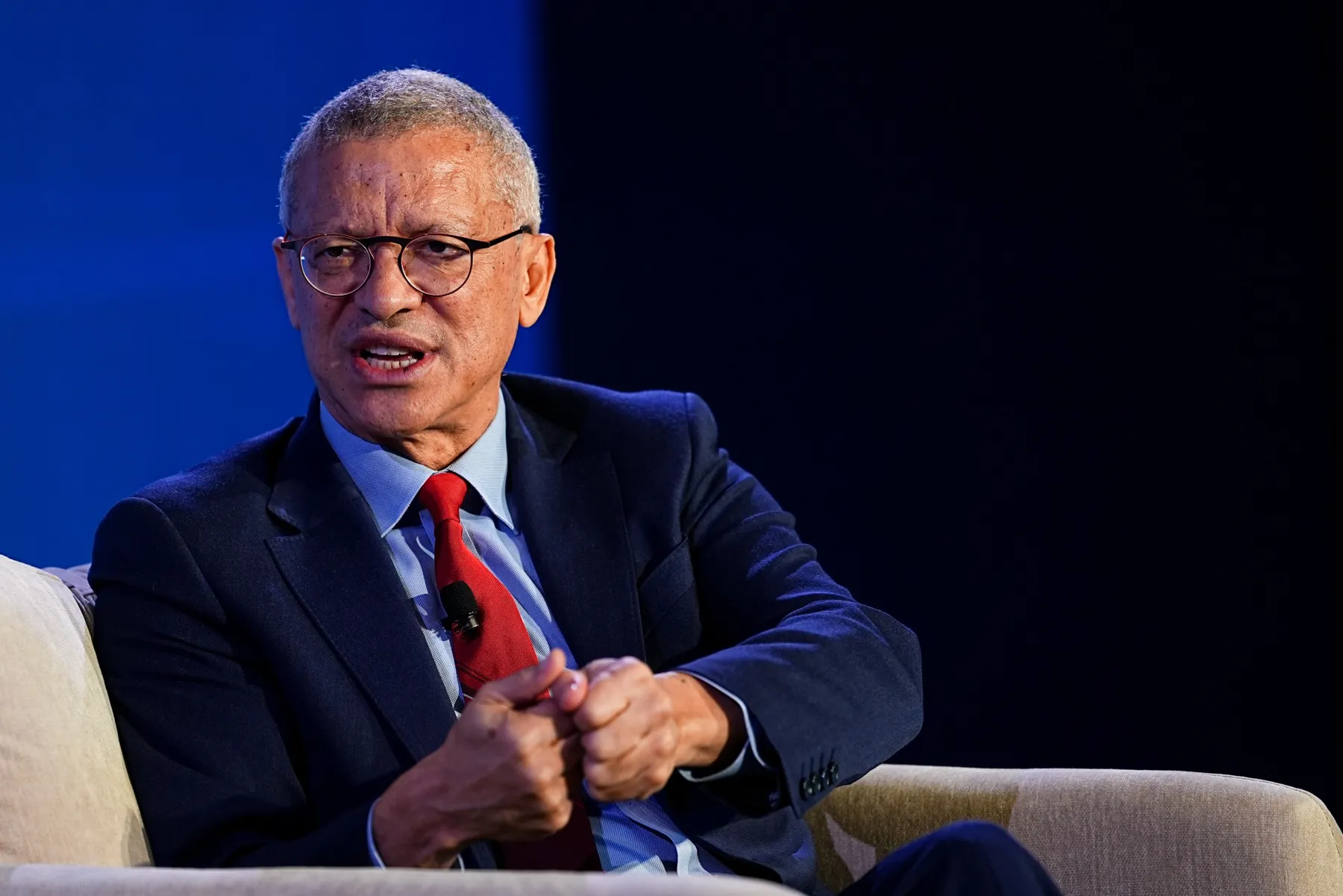
BII Chief Executive Officer Leslie Maasdorp said many African countries remain outside the investment criteria of major global asset managers because they are rated well below investment grade or have no credit rating.
He said the institution intends to maintain its presence in markets where private capital remains limited, using domestic resource mobilisation and local partnerships to support investment.
- “We are very realistic and recognize that we’re not going to get BlackRock to come and invest in Burundi or in the Democratic Republic of Congo,” Maasdorp said.
He added that the institution was allocating a quarter of its planned African investment to frontier markets and least-developed countries.
Maasdorp also said BII has a relatively high exposure to low-income countries and frontier markets compared with other development finance institutions.
The strategy is designed to channel funding into economies that face greater challenges attracting commercial investment, particularly for projects that require substantial capital and long-term financing.
Power, transport and digital infrastructure
Under its latest strategy, BII plans to provide £5 billion directly and mobilise another £4 billion from partners for investment primarily in Africa’s infrastructure and productive sectors.
The funding will support projects including power generation, ports, railways and digital infrastructure such as telecommunications towers and data centres. Across Africa and other markets in which it operates, BII has set a total investment target of £15 billion.
The institution also plans to support financial inclusion and manufacturing, including businesses involved in electric mobility.
Seema Dhanani, BII’s regional director for East Africa, said financial services would remain an important part of its investment portfolio.
- “Banks give us scale and they also give us reach, but we’re able to really tailor the transactions to hit target sectors of the market,” Dhanani said.
She identified small and medium-sized enterprises, agriculture, women-owned businesses and climate finance as areas the institution could support through its banking investments.
UK expands investment support for Nigeria
The investment plan comes amid wider UK-backed efforts to increase financing for African businesses, including initiatives focused on Nigeria.
- Nairametrics previously reported that the UK government had committed $335,000 to establish the RiTA Investment Network, a platform intended to channel more domestic investment into women-led businesses in Nigeria.
The initiative forms part of broader efforts to improve access to capital for businesses that face funding constraints.
- The UK has also highlighted the role of stronger capital markets in supporting investment and employment. As previously reported by Nairametrics, deeper capital markets could help mobilise domestic and international financing for Nigerian businesses and infrastructure.
BII’s latest strategy similarly focuses on expanding access to finance in markets where conventional investors remain reluctant to commit capital, with infrastructure, financial services and productive industries among its priority areas.