Follow Us on Google Discover
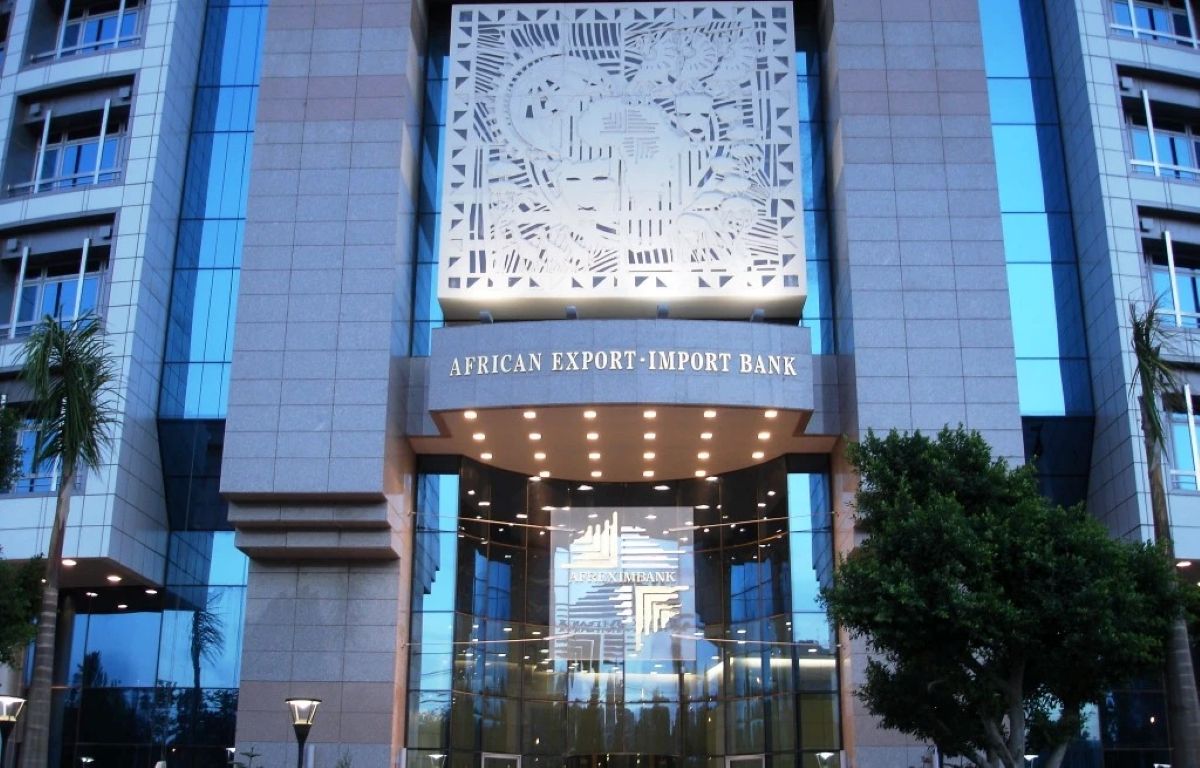
African Export-Import Bank (Afreximbank) reported a net income of $813.5 million for the nine months ended September 30, 2026.
This represents a 24% increase from $654.3 million recorded in the corresponding period of 2025, supported by higher gross and net interest income.
Gross income increased by 11% to $2.7 billion from $2.4 billion in the corresponding period of 2025, while net interest income rose by 17.45% to $1.49 billion from $1.27 billion.
The review of the report shows that the growth in profitability was driven by increased lending activities, higher interest income and improved cost efficiency, with management reporting that the performance exceeded its current-year expectations.
Also Read
Key Highlights
- Gross income: $2.7 billion (Up 11% YoY from $2.4 billion).
- Interest income: $2.42 billion (Up 9.46% YoY from $2.21 billion).
- Net interest income: $1.49 billion (Up 17.45% YoY from $1.27 billion).
- Net fees and commission income: $133.52 million (Up 16.07% YoY from $115.04 million).
- Net income: $813.46 million (Up 24.33% YoY from $654.26 million).
- Operating expenses: $335.58 million (Up 9.42% YoY from $306.71 million).
- Credit loss expenses: $537.56 million (Up 11.70% YoY from $481.25 million).
- Total assets: $45.94 billion (Up 8.63% from $42.29 billion as of December 2025).
- Net loans and advances: $36.18 billion (Up 7.98% from $33.50 billion as of December 2025).
- Cash and cash equivalents:
- Shareholders’ funds: $9.03 billion (Up 7.53% from $8.40 billion as of December 2025).
- Cost-to-income ratio: 20% (Improved from 21% in 9M 2025).
- Return on average assets: 2.48% (Compared with 2.34% in the earlier press release).
- Non-performing loans ratio: 2.48% (Compared with 2.43% at December 2025).
- Capital adequacy ratio: 22% (Compared with 23% at December 2025).
Management commentary
Commenting on the group’s nine-month performance, Afreximbank’s Senior Executive Vice President, Denys Denya, highlighted the bank’s stronger profitability, expanding lending portfolio and capital position.
- “This performance underscores Afreximbank’s ability to deliver strong and sustainable performance while continuing to fulfil its development mandate across Africa and the Carribean.
- “Our expanded lending portfolio, robust profitability and strong capital position demonstrate the effectiveness of our strategy and the growing relevance of our interventions across our target markets,” he stated.
Driving the numbers
Afreximbank’s nine-month earnings growth was primarily driven by increased lending activities, higher interest income and improved operating efficiency.
- Interest income rose by 9.46% to $2.42 billion from $2.21 billion in the corresponding period of 2025, supported by an increase in average loan balances from $28.9 billion to $34.8 billion.
According to the bank’s operating review, the expansion reflected sustained demand for trade and project financing across its member countries.
Meanwhile, interest expenses increased at a slower rate, rising by 2.27% to $981.34 million from $959.55 million.
- This helped lift net interest income by 17.45% to $1.49 billion from $1.27 billion, making it a major contributor to the improvement in profitability.
- Beyond interest income, net fees and commission income increased by 16.07% to $133.52 million from $115.04 million.
The bank attributed the improvement in fee-generating activities to its unfunded businesses, including guarantees, letters of credit, and advisory services.
- Gross fees and commission income from these activities rose to $136.92 million from $117.25 million, reflecting stronger contributions from the bank’s non-lending financial services.
Net trading income also contributed $38.94 million during the period, compared with no amount reported under that line in 2025.
The costs
On the cost side, operating expenses increased by 9.42% to $335.58 million from $306.71 million, reflecting higher personnel costs and depreciation charges.
Despite the overall increase in expenses, the bank’s cost-to-income ratio improved to 20% from 21% in the corresponding period of 2025, remaining below its strategic ceiling of 30%.
- This suggests that income growth outpaced the increase in operating expenses, supporting stronger profitability.
Credit impairment charges, however, remained a significant cost centre.
- Expected credit loss expenses increased by 11.70% to $537.56 million from $481.25 million, while the non-performing loans ratio edged up to 2.48% from 2.43% at the end of December 2025.
- The bank also recorded a foreign exchange adjustment loss of $41.69 million, compared with a gain of $22.77 million in the corresponding period of 2025.
Nevertheless, stronger net interest income, increased fee income and improved operating efficiency supported a 24.33% increase in net income to $813.46 million.
The balance sheet
On the balance sheet, total assets increased by $3.65 billion to $45.94 billion as of September 2026, compared with $42.29 billion at the end of December 2025.
The expansion was largely driven by increased loans and advances, investment securities, and prepayments and receivables.
- Net loans and advances increased to $36.18 billion from $33.50 billion, accounting for approximately 79% of total assets.
- Investment securities measured at amortised cost also increased to $1.40 billion from $481.56 million, while prepayments and receivables rose to $1.21 billion from $378.84 million.
- Debt securities in issue also increased to $4.38 billion from $3.42 billion, reflecting the bank’s increased funding activities.
During the period, Afreximbank completed a $1.5 billion dual-tranche bond issuance in July 2026, comprising $750 million in 5.5-year notes and $750 million in 10-year notes.
According to management, the transaction was two times oversubscribed, strengthening the bank’s access to international debt markets and supporting diversification of its funding base.
Shareholders’ funds also increased to $9.03 billion from $8.40 billion, supported by internally generated earnings and new equity contributions.
However, the expansion in lending activities was accompanied by weaker operating cash flow.
- Net cash used in operating activities stood at $878.58 million, compared with a positive cash inflow of $2.11 billion in the corresponding period of 2025.
This was largely driven by $3.12 billion in cash absorbed by loans and advances and an $834.78 million increase in prepayments and receivables.
Overall, the group recorded a net cash outflow of $1.24 billion, compared with a net cash inflow of $2.95 billion in the corresponding period of 2025, bringing cash and cash equivalents to $4.71 billion.
The decline in cash holdings was also reflected in the bank’s liquidity position, with liquid assets accounting for 13% of total assets, compared with 15% at the end of 2025.
But this remained above the bank’s minimum strategic target of 10%.
Commenting on the broader operating environment, Denya emphasised Afreximbank’s continued role in financing trade and supporting economic development amid geopolitical uncertainties. He stated:
- “As global economic and geopolitical uncertainties persist, Afreximbank remains committed to providing the financing, trade facilitation and strategic investments needed to strengthen regional value chains, support industrialisation and accelerate the continent’s economic transformation.”
This commitment was reflected in the bank’s $10 billion Gulf Crisis Response Programme, launched in March 2026 to provide liquidity support and facilitate trade and payment flows amid disruptions to global supply chains.
The bank’s high-impact investments also increased by 23% to $1.6 billion from $1.3 billion at the end of 2025.
Overall, Afreximbank’s nine-month results reflect stronger earnings driven by lending expansion and improved cost efficiency, although higher impairment charges, negative operating cash flow and declining cash balances remain important considerations.