Follow Us on Google Discover
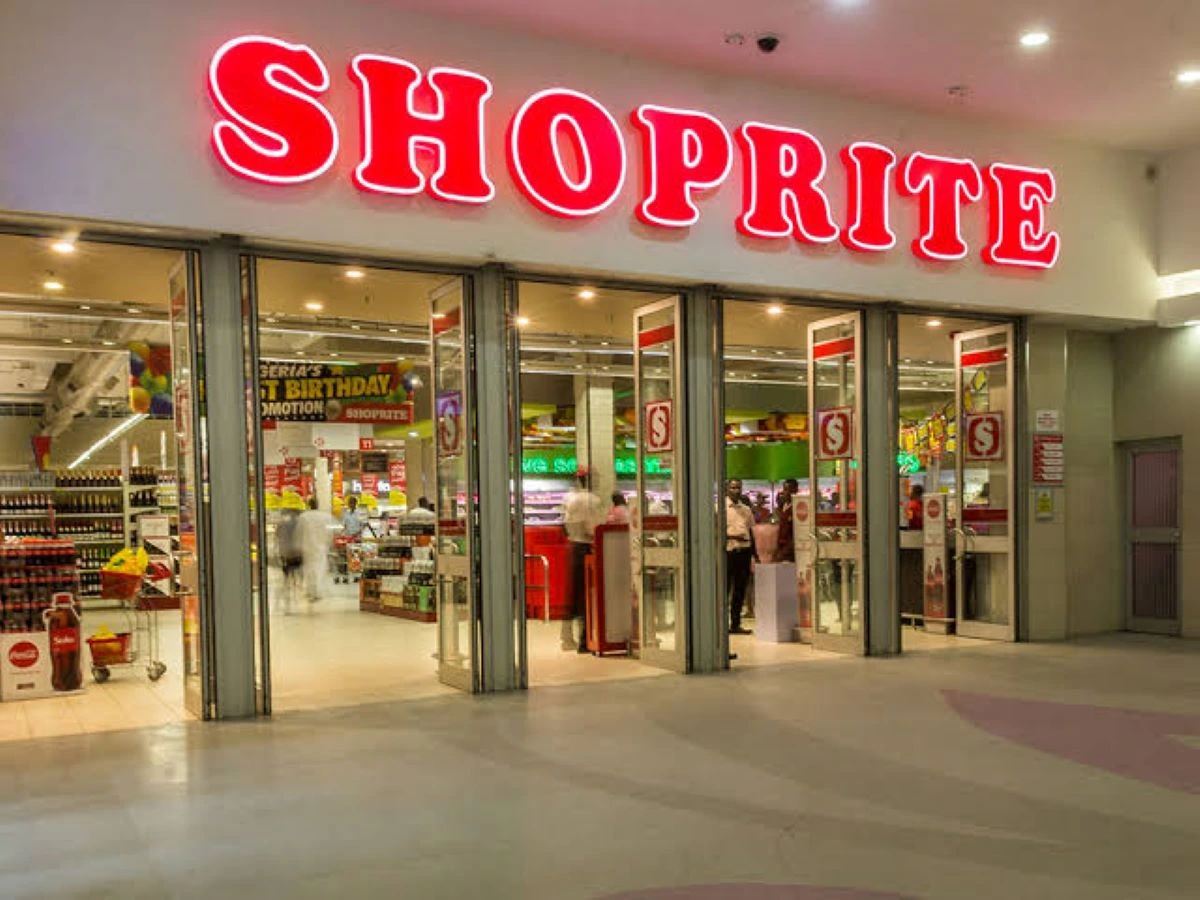
Shoprite Nigeria is planning to open standalone neighbourhood stores as part of efforts to revive its retail operations, moving away from its traditional reliance on large shopping malls.
Adekunle Adebiyi, Executive Director, Investments at MBO Capital Management Limited, disclosed this during an interview on Nairametrics’ Drinks and Mics, where he discussed the retailer’s financial challenges, restructuring efforts and plans for recovery.
According to Adebiyi, three Shoprite stores have reopened following a temporary shutdown of operations to allow the company to negotiate with suppliers and address its financial obligations.
- “We took a very, very drastic decision to just shut everything down whilst we negotiated with suppliers. Now three stores are back open,” he said.
Shoprite plans standalone neighbourhood stores
He explained that the company intends to expand through smaller, standalone neighbourhood outlets rather than depending primarily on shopping malls, a strategy he described as consistent with its original business plan.
Also Read
- “We’re going to be opening standalone neighbourhood stores, which was always the plan,” Adebiyi said.
He noted that the strategy would allow Shoprite to concentrate on retail operations without committing substantial capital to property development.
- Adebiyi explained that the traditional supermarket model relies on leasing suitable commercial properties rather than acquiring buildings outright.
- He said retailers could negotiate long-term leases, sometimes extending to 10 years, and invest primarily in shelves, refrigeration equipment and other operational infrastructure.
- According to him, this approach differs from the expectations of Nigerian banks, which typically favour businesses with substantial fixed assets that can serve as collateral.
- He disclosed that MBO Capital encountered difficulties securing bank financing during the acquisition of Shoprite Nigeria because lenders struggled to identify sufficient tangible assets against which to provide credit.
Despite Shoprite generating billions of naira in revenue, its business model did not fit conventional asset-backed lending requirements.
Consequently, the investors turned to alternative funding arrangements to complete the acquisition.
Shoprite faces financing and forex challenges
Adebiyi also identified foreign exchange volatility as a major factor behind Shoprite Nigeria’s financial difficulties.
He revealed that approximately 17 of the retailer’s 28 stores had dollar-denominated rental agreements at the time of the acquisition.
The subsequent depreciation of the naira significantly increased rental obligations, placing additional pressure on operating costs.
According to him, rent should ordinarily account for approximately 8% to 10% of a supermarket’s revenue. However, some Shoprite locations experienced substantially higher rental costs.
Beyond foreign exchange pressures, Adebiyi acknowledged operational shortcomings, including weaknesses in inventory management and the loss of access to the former parent company’s enterprise resource planning system.
He said replacing the system required billions of naira in additional investment, diverting funds that could otherwise have supported the business.
What you should know
The proposed neighbourhood-store expansion represents the next phase of that recovery strategy, although the company has not disclosed the number of planned outlets, their locations or an opening timeline.
As previously reported by Nairametrics, Ketron Investment Limited, a consortium led by Persianas Investment Limited, completed the acquisition of Shoprite Nigeria in June 2021, following the South African retailer’s decision to exit direct ownership of the Nigerian business.
- The transaction saw Retail Supermarkets Nigeria Limited take over operations under a franchise arrangement, with MBO Capital Management Limited among the advisers involved in the acquisition.
- In June 2024, Nairametrics reported that Shoprite announced the closure of its Wuse store at Novare Wuse Central Mall in Abuja, citing the prevailing business climate and the outlet’s financial performance.
- The retailer’s challenges continued into 2025, with reports of temporary store closures and operational disruptions linked to working capital constraints, electricity costs and other expenses.
- However, in March 2026, Shoprite told Nairametrics that it was not exiting Nigeria but implementing a phased restructuring programme that began in August 2025.
Bunmi Adeleye, Chief Strategy Officer at Retail Supermarkets Nigeria Limited, disclosed plans to reopen outlets at The Palms Shopping Mall and Circle Mall in Lagos while exploring smaller neighbourhood store formats to reduce rental, electricity and diesel expenses.