Follow Us on Google Discover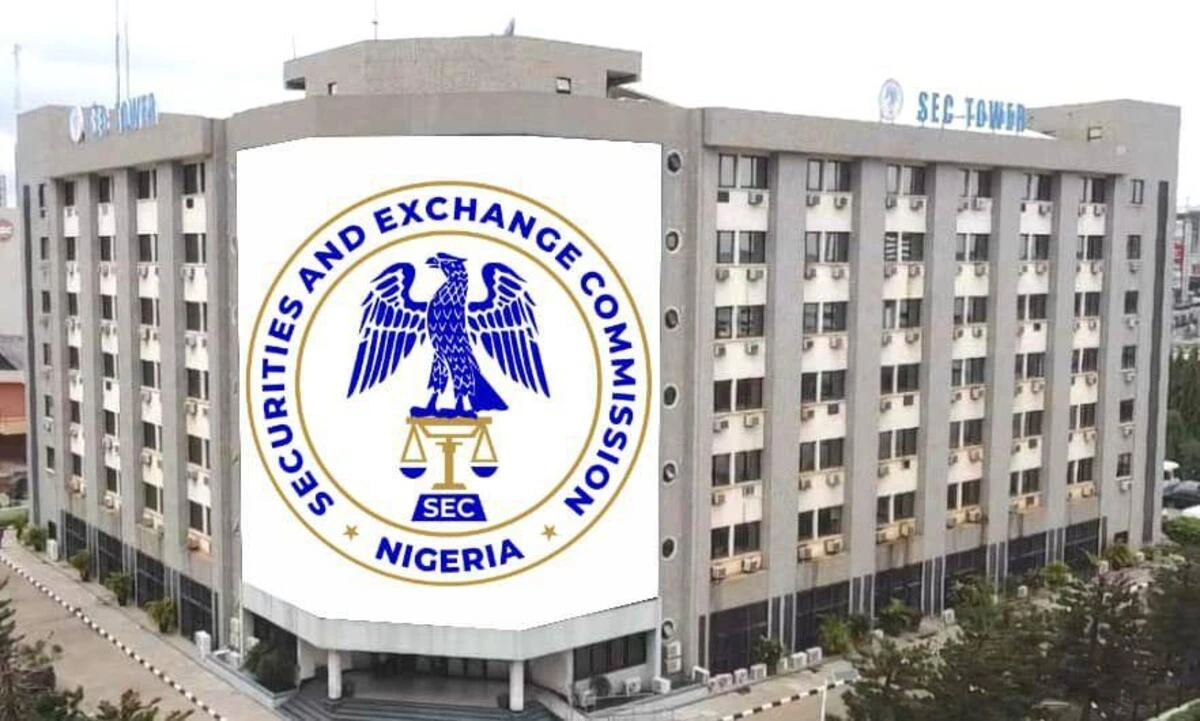
The Securities and Exchange Commission (SEC) has disowned online investment platform WayvePay, warning Nigerians against investing through the company over concerns about suspected fraudulent activities.
The warning was contained in a public notice dated Friday, October 9, 2026, signed by the Commission’s management and published on its official website on Saturday, October 10.
The disclaimer comes days after an October 6 publication in a national newspaper in which WayvePay, described as the digital banking platform of Wayve Microfinance Bank, announced that it was making the Dangote Petroleum Refinery and Petrochemicals initial public offering (IPO) accessible to its customers.
SEC says WayvePay lacks registration
The SEC, which regulates Nigeria’s capital market, has clarified that WayvePay is not registered to solicit investments from the public or conduct capital market activities in the country.
Also Read
The Commission made this clarification in its public notice, distancing itself from the platform and warning investors about the risks associated with dealing with unregistered operators.
- “The Commission hereby informs the public that WAYVEPAY is not registered by the Commission to solicit investments from the public or operate in any capacity within the Nigerian capital market.”
The regulator consequently urged Nigerians to avoid investment transactions involving WayvePay or its agents, warning that anyone dealing with the platform in relation to capital market activities would be doing so at their own risk.
- “The Commission uses this medium to reiterate that transacting in the Nigerian Capital Market with unregistered and unregulated entities exposes investors to the risk of fraud and potential loss of investment.”
The SEC further advised prospective investors to confirm the regulatory status of investment platforms through its official registration portals before committing funds, reiterating its warning against transactions involving unregistered and unregulated entities.
Dangote Refinery IPO subscription channels
The Dangote Petroleum Refinery launched its N2.15 trillion IPO on September 14, 2026, providing investors with approximately 55 authorised digital subscription channels.
- The distribution network is the widest electronic distribution network used for a Nigerian public offer, with banks, fintech firms, mobile money operators and the Nigerian Exchange participating in the subscription process.
- The participating platforms comprise applications from 20 banks, two mobile money operators, 32 fintech and investment companies, and the Nigerian Exchange’s NGX Invest platform.
- The subscription window is scheduled to close on October 13, 2026, giving investors a defined period to participate in the public offer through authorised channels.
At the launch of the offer, Nairametrics reported that the SEC had cautioned investors against using unauthorised intermediaries, urging them to process applications and payments exclusively through officially recognised channels.
The regulator also advised investors to authenticate subscription platforms and avoid individuals or organisations promising guaranteed share allocations.
SEC strengthens digital investment oversight
The warning against WayvePay comes as the SEC continues efforts to expand fintech participation in Nigeria’s capital market while strengthening regulatory oversight and investor protection.
The Commission recently reassured fintech and digital asset companies that its regulatory reforms are intended to provide clearer operating guidelines rather than restrict innovation.
- In January 2026, the SEC revised minimum capital requirements for several market operators, raising the threshold for digital asset exchanges and custodians to N2 billion each.
- In July, the regulator granted Approval-in-Principle to seven additional cryptocurrency companies under its Accelerated Regulatory Incubation Programme (ARIP), permitting limited operations within a supervised regulatory environment.
- By August, it had proposed a N30 million registration fee for several categories of digital asset businesses, alongside requirements for Nigerian incorporation and resident principal officers.
These developments highlight the Commission’s ongoing regulatory reforms covering fintech operators and digital asset businesses in Nigeria’s financial market.
The measures also reflect the SEC’s broader approach to bringing more digital financial service providers under regulatory supervision while protecting investors from unauthorised market activities.