Follow Us on Google Discover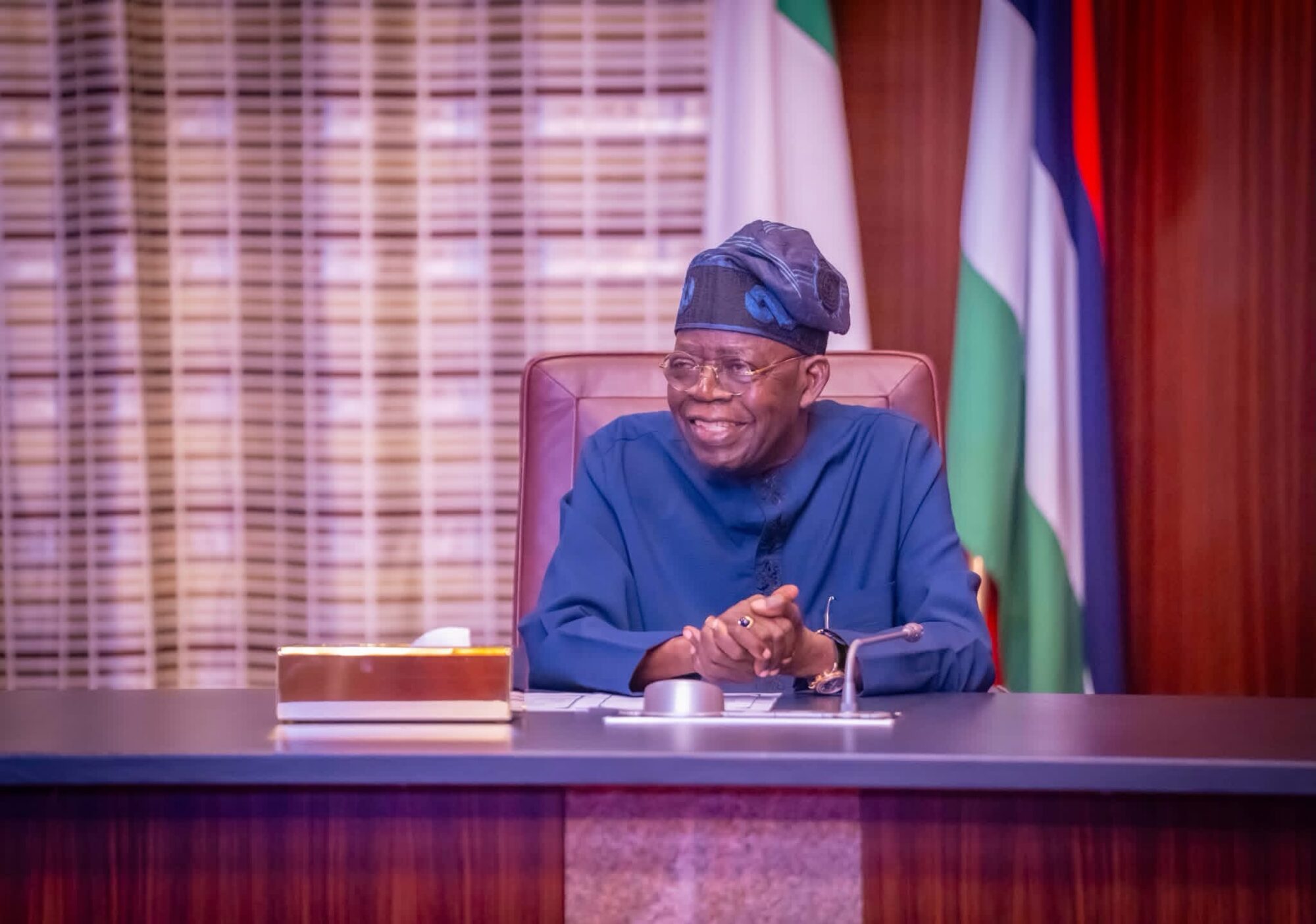
Nigeria rose four places to eighth in the 2026 Bloomberg Economics Investment Risk-O-Meter, overtaking Rwanda, Tanzania, Kenya and Namibia as reforms improved its performance across three of the five metrics assessed.
This is according to Bloomberg.
The ranking places Nigeria among the notable movers in a scorecard covering 19 African economies, with Mauritius taking the top position for relative investability.
The improvement comes as the Federal Government continues to implement economic reforms aimed at addressing long-standing fiscal, foreign-exchange and power-sector challenges.
Nigeria climbs investment risk ranking
Nigeria improved in economic strength, fiscal strength and external vulnerability to move to eighth place in the 2026 Bloomberg Economics Investment Risk-O-Meter.
- “The continent’s biggest oil producer and refiner rose four places to eighth in the 2026 Bloomberg Economics Investment Risk-O-Meter, overtaking Rwanda, Tanzania, Kenya and Namibia as it improved in three of the five metrics assessed by the gauge — economic strength, fiscal strength and external vulnerability,” the Bloomberg report noted.
The country’s improved position contrasts with weaker performances by some other major African economies, with Botswana falling two places and South Africa, which led the ranking last year, dropping one spot because of weaker economic-growth outlooks.
- Nigeria overtook Rwanda, Tanzania, Kenya and Namibia in the latest scorecard.
- Mauritius now ranks first for relative investability among the 19 economies assessed.
- Nigeria’s improved ranking reflects stronger performance in three of the five metrics used by Bloomberg Economics.
The improvement follows a series of economic policy changes introduced since President Bola Tinubu took office in 2023, including the removal of the gasoline subsidy, liberalisation of the foreign-exchange market and the introduction of electricity tariffs designed to reduce losses in the power sector.
Economic growth strengthens after reforms
Nigeria’s real Gross Domestic Product (GDP) has maintained positive growth since Tinubu assumed office, although the economy continues to face structural challenges. Growth increased from 2.54% in the third quarter of 2023 to 3.46% in the fourth quarter.
- GDP growth averaged 3.19% in 2024.
- Growth strengthened to 3.85% in 2025, the strongest annual performance within the review period.
- In Q1 2026, the economy grew by 3.89%, taking average quarterly growth between Q3 2023 and Q1 2026 to approximately 3.46%.
The growth figures point to a gradual expansion of economic activity during the period covered, supporting Nigeria’s stronger performance on the investment risk gauge.
Rising debt remains a challenge
While Nigeria’s revenue performance has strengthened, its public debt and debt-servicing obligations have also increased significantly since the current administration took office.
- According to the Debt Management Office (DMO), Nigeria’s total public debt stood at N87.38 trillion as of June 30, 2023, shortly after Tinubu assumed office.
- By December 31, 2025, total public debt had risen to N159.28 trillion.
- The increase reflected higher borrowing, exchange-rate adjustments and the securitisation of legacy obligations, according to DMO data.
- The rise in public debt highlights the fiscal pressures that continue to accompany the administration’s economic reforms.
Despite the higher debt burden, Nigeria’s improved position in the Bloomberg ranking indicates that its performance across economic strength, fiscal strength and external vulnerability has strengthened relative to several other African economies.