Follow Us on Google Discover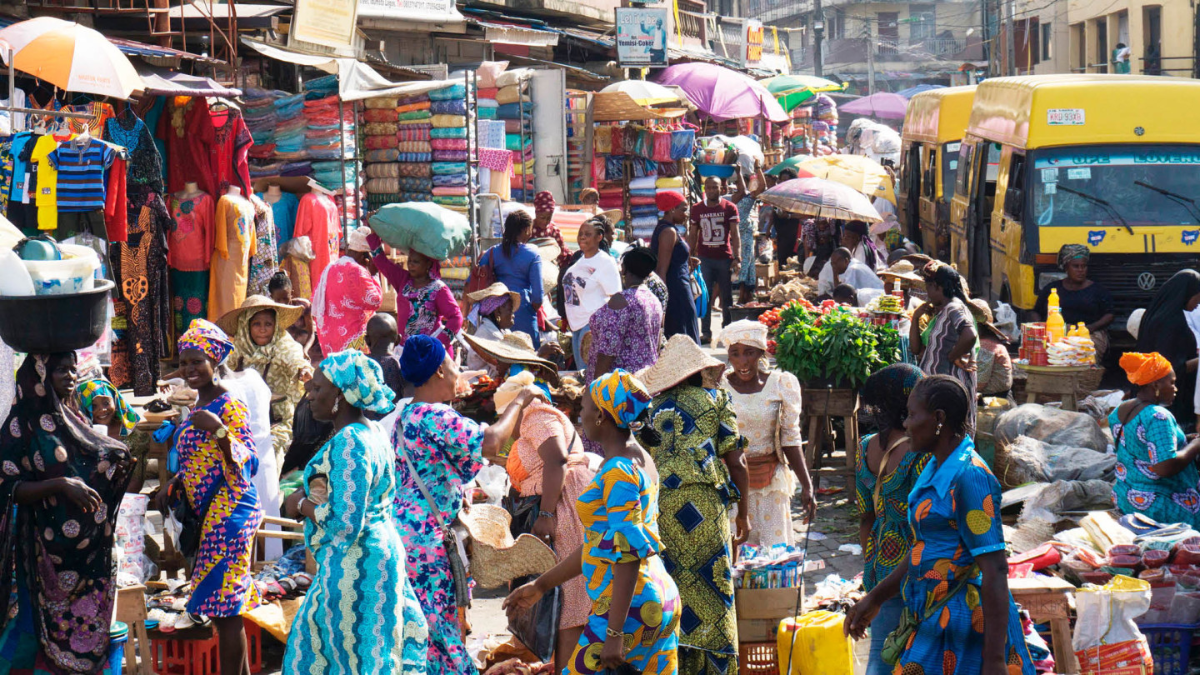
Let’s start with what did not happen. Moody’s did not upgrade Nigeria last Friday. It only changed the outlook from stable to positive and left the rating unchanged: B3.
That distinction matters, because in Abuja the announcement has been treated like a full endorsement of the reform programme.
For small businesses and local investors, the useful questions are simpler. Is this good for Nigeria? Will it help a shop in Aba or a processor in Kaduna in any real way?
A rating and an outlook are not the same thing. Think of the rating as the current score. B3 is Moody’s present view of Nigeria’s ability to pay its debts. It is still speculative, its six notches below investment grade.
The outlook is the near-term weather forecast, covering the next 12 to 18 months. Positive means that if things stay on this path, an upgrade is now more likely than a downgrade. Moody’s is saying Nigeria is no longer just standing still and is showing some improvements.
Why the change?
Moody’s pointed to two things. The first is the external position. Nigeria has been running current-account surpluses, rebuilding reserves, cleaning up the foreign-exchange market and getting monetary policy to work a little better. That combination, the rating agency says, makes the country better able to take a shock.
It expects the current-account surplus to stay around 6.1 per cent of GDP in 2026 and 4.1 per cent in 2027, and to remain sizeable even if oil prices fall. The Central Bank’s own figures put reserves near $53.3 billion in late August.
The second is growth. The economy expanded about 4 per cent in 2025, better than the earlier assumption of around 3 per cent, and is expected to hold that pace through 2027. Non-oil activity has helped. Oil output is also expected to rise gradually. Inflation cooled to 15.4 per cent in July, down from 25.3 per cent a year earlier.
Fiscal yet to catch up
So why did the rating itself stay at B3? Because the fiscal story has not caught up. Government revenue was about 10 per cent of GDP in 2025. That is among the lowest in the world. Debt is not huge relative to the size of the economy, but interest still eats a large share of those thin revenues. For an actual upgrade, Moody’s wants to see the external buffers last and revenue collection improve so that debt becomes easier to service.
Is this good for Nigeria?
Yes, with a ceiling. A positive outlook improves the official credit story. Over time, it can reduce the extra yield investors demand, make international borrowing a little less painful, and support the naira if foreign money responds. The finance minister called it validation of three years of reform and restated the hope of reaching investment grade one day.
However, this outlook is not a clean bill of health. Nigeria is still a high-yield, high-risk borrower. Oil prices can turn. Weak non-oil revenue and expensive domestic borrowing are still the problems Moody’s named. A positive outlook can also revert to stable without a downgrade if those buffers weaken. The country is more resilient than it was. The credit problem is not finished.
How does this upgrade affect local business?
Now the question that matters to most people who run a business locally is: will this help local SMEs? The honest answer is not a lot, and not soon. Small firms do not borrow against a sovereign rating. They feel these decisions through country risk, banks’ cost of funds, dollar availability, inflation, and whether government borrowing crowds them out of the credit market.
Let’s take the cost of credit: the policy rate is 26.5 per cent. Loans to SMEs still commonly cost 29 to 36 per cent a year. Banks have preferred government paper to small-business lending. An outlook change does not reprice those loans.
Any positives? Yes, the operating environment is improving, and Moody’s is recognising it: A more usable FX market, Rebuilt FX reserves and slower inflation. An importer loses less to sudden naira swings and dollar rationing when the FX market works. If inflation keeps falling and the Central Bank later eases, borrowing costs could follow. That would be policy, not an automatic gift from a rating action. For a shop owner, this is modestly helpful background.
Final analysis
Investors should treat the decision as a constructive signal, not a buy recommendation on its own. For people who hold Nigerian government paper, a positive outlook can tighten spreads a little and raise the chance of an upgrade if fiscal delivery continues. They should still price B3 risk. Rather than reading only the press statement, watch four things.
- Do reserves and the current-account surplus hold if oil prices weaken?
- Does non-oil revenue actually rise from 10 per cent of GDP?
- Does inflation keep falling so real rates can ease without putting fresh pressure on the naira?
- And does heavy government issuance of bonds stop crowding out of private credit?
Until those four move, the outlook is a better weather forecast, not a climate shift. Equity and foreign-direct investors can reasonably read a lower risk of a disorderly FX or debt event. Lenders who focus on SMEs should not underwrite on the back of Moody’s. Credit to small firms will still depend on whether banks prefer federal securities to MSME loans.
Moody’s positive outlook is good news for Nigeria’s broader story. It reflects stronger external buffers and somewhat faster growth. It is not a shortcut to cheap finance for small businesses. Local SMEs will feel that improvement only if it shows up as lower inflation, and banks that are willing to lend to them rather than only to the Treasury.