Follow Us on Google Discover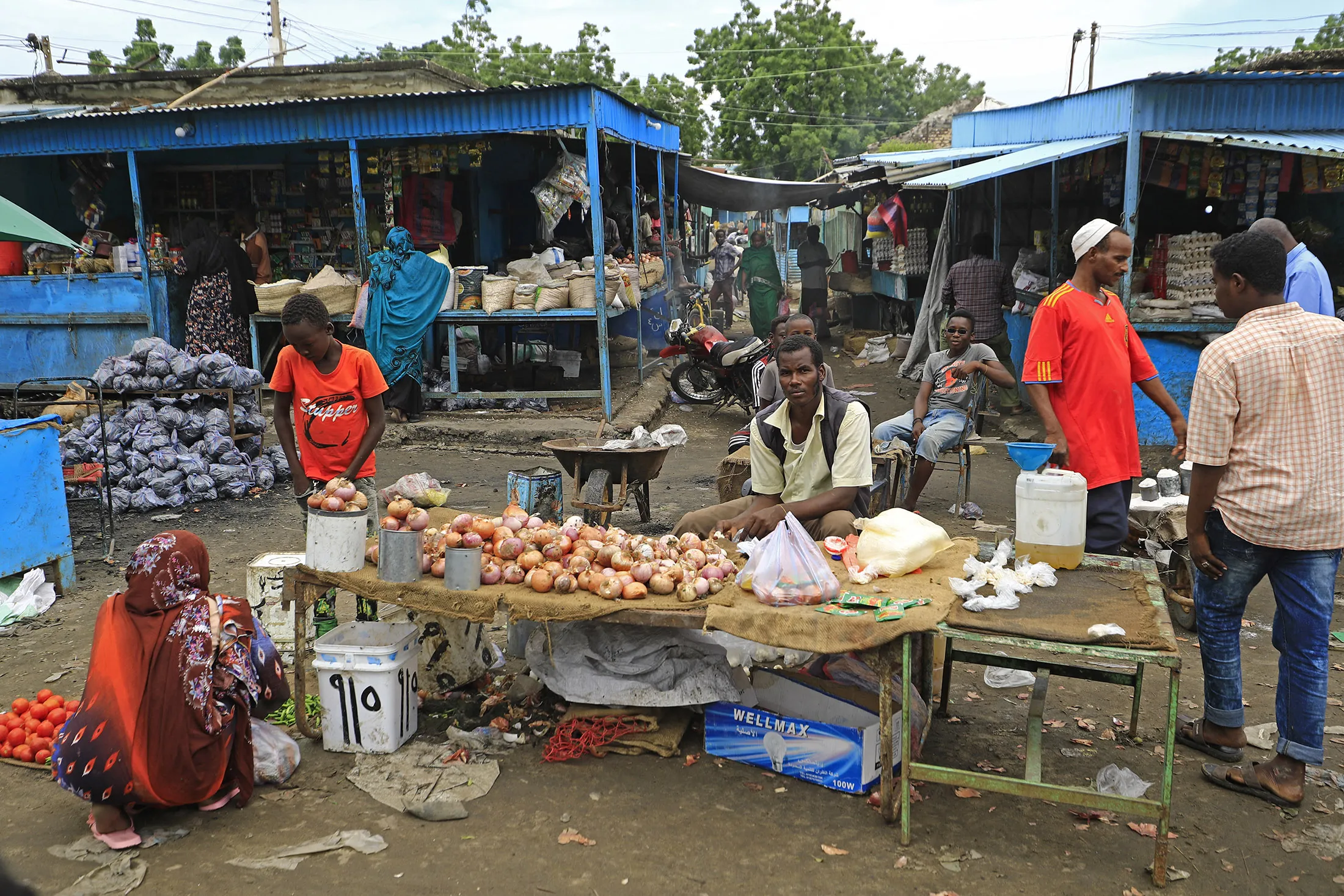
Inflation remains elevated across Africa, with Sudan recording the highest rate among the countries reviewed at 41.61% in July 2026, while Nigeria ranked third at 15.43% despite recording a further easing in price pressures.
The figures are compiled from the latest consumer price index (CPI) reports from national statistical agencies and central banks across each country.
The data reflects the most recent available readings spanning between June and July 2026.
South Sudan remains excluded from this list, as its latest available inflation data remains stuck at May 2025.
Also Read
Here are the 10 African countries with the highest inflation rates based on the latest available readings as of July 2026:
10. Botswana – 9.40%
Botswana’s inflation rate fell to 9.40% in July 2026 from 10.70% in June, a decline of 1.3 percentage points.
The Bank of Botswana attributed the sharp slowdown mainly to lower domestic fuel prices introduced on July 7, which reduced headline inflation by 2.3 percentage points.
The fuel-price reduction also caused a significant slowdown in transport inflation and contributed to a decline in imported tradeables inflation.
9. Sao Tome and Principe – 9.70%
São Tomé and Príncipe recorded an inflation rate of 9.70% in June 2026, up from 9.20% in the previous month, an increase of 0.5 percentage points.
The June reading marked the highest inflation rate since December 2025, with consumer prices also rising 1.2% month-on-month. Food and non-alcoholic beverages carry the largest weight in the country’s CPI basket, accounting for about 73% of the index.
8. Libya – 12.70%
Libya’s inflation rate eased to 12.70% in June 2026 from 14.00% in May, a decline of 1.3 percentage points.
The moderation came alongside a decline in food inflation, which fell to 13.90% in June from 17.60% in May. The overall CPI also declined by 1.0% month-on-month, pointing to a broader easing in consumer prices during the month.
7. Egypt – 13.00%
Egypt’s annual headline inflation rate accelerated to 13.00% in July 2026, up from 12.20% in June, an increase of 0.8 percentage points, according to data from the Central Agency for Public Mobilization and Statistics (CAPMAS).
The increase came despite a relatively stable monthly inflation rate, with the nationwide consumer price index rising by just 0.1% from June. Housing, water, electricity, gas and fuel prices recorded a 31.1% annual increase, while transport costs rose by 21.1% and education prices increased by 20%. Food and beverage prices were also 7.9% higher than a year earlier.
6. Rwanda – 14.50%
Rwanda’s inflation rate climbed to 14.50% in July 2026 from 13.60% in June, an increase of 0.9 percentage points.
The increase was driven by continued price pressure across several major categories. Transport prices rose 24.2% year-on-year, while housing, water, electricity, gas and other fuels increased 21.0%. Energy prices rose 44.5% over the year, while food and non-alcoholic beverages increased 13.1%.
5. Sierra Leone – 14.77%
Sierra Leone’s inflation rate rose to 14.77% in June 2026 from 12.69% in May, an increase of 2.08 percentage points.
The acceleration was driven mainly by non-food prices, whose inflation rate rose to 21.03% from 18.63% in May. Housing, water, electricity, gas and other fuels recorded the sharpest annual increase at 81.33%, followed by transport at 40.23%. Food and non-alcoholic beverages inflation also increased to 6.79% from 5.17%.
4. Ethiopia – 15.30%
Ethiopia’s inflation rate rose to 15.30% in July 2026 from 13.90% in June, an increase of 1.4 percentage points.
The acceleration reflected renewed pressure across both food and non-food prices. Food inflation rose to 15.7% from 15.1%, with sharp increases in categories including sugar, jam, honey and chocolate, meat, and oils and fats. Non-food inflation also accelerated to 14.8% from 12.2%, while monthly consumer prices increased 2.6%, the strongest monthly increase since March 2025.
3. Nigeria – 15.43%
Nigeria’s inflation rate eased to 15.43% in July 2026 from 15.91% in June, a decline of 0.48 percentage points.
However, the moderation in headline inflation masked renewed pressure in food prices. Food inflation rose to 20.31% year-on-year, while its month-on-month rate increased sharply to 5.56% from 3.75% in June. The NBS linked the monthly increase to higher average prices for items including rice, water yam, plantain, fresh pepper, onions, tomatoes, garri, beef and eggs. Food and non-alcoholic beverages remained the largest contributor to headline inflation, accounting for 6.18 percentage points.
2. Malawi – 20.80%
Malawi again recorded Africa’s highest inflation rate in July 2026, at 20.80%, although this was down from 21.10% in June, a decline of 0.3 percentage points.
The moderation was primarily driven by easing food price pressures. Food inflation fell to 14.3% from 14.7%, with prices of key cereals including rice, maize and maize flour moderating during the month. However, non-food inflation increased slightly to 32.2%, driven mainly by higher charcoal and firewood prices.
1. Sudan – 41.61%
Sudan recorded Africa’s highest headline inflation rate in July 2026, at 41.61%, although the rate fell sharply from 51.28% in June, a decline of 9.67 percentage points, according to the country’s Central Bureau of Statistics (CBS).
The decline in annual inflation came despite continued increases in consumer prices during the month. The general Consumer Price Index rose by 1.47% month-on-month in July, indicating that prices continued to increase even as the annual rate eased.
Sudan’s inflation rate remains significantly higher than that of the other countries in the ranking. Urban inflation stood at 45.24% in July, while rural inflation was 39.85%, highlighting differences in price pressures across the country
Key insight
The July 2026 data shows that five of the ten countries reviewed saw inflation ease, while the other five saw it accelerate. This shows a marginal shift from the easing trend seen among the top 10 highest-inflation economies in June 2026.
Sudan remains a major outlier, with inflation at 41.61% in July, almost twice Malawi’s 20.80%. However, Sudan also recorded the largest moderation in the ranking, with inflation falling by 9.67 percentage points from June.
Nigeria ranked third at 15.43%, despite a 0.48 percentage-point decline in headline inflation, highlighting the difference between easing headline inflation and the cost pressures still facing the populace.
Among the countries where inflation accelerated, Sierra Leone recorded the largest increase, rising by 2.08 percentage points, followed by Ethiopia at 1.40 percentage points. Rwanda and Egypt also recorded higher inflation, showing that price pressures remain significant across several African economies.
Changes in food prices, energy costs and exchange rate movements are major reasons why inflation is falling in some countries but rising in others.