Follow Us on Google Discover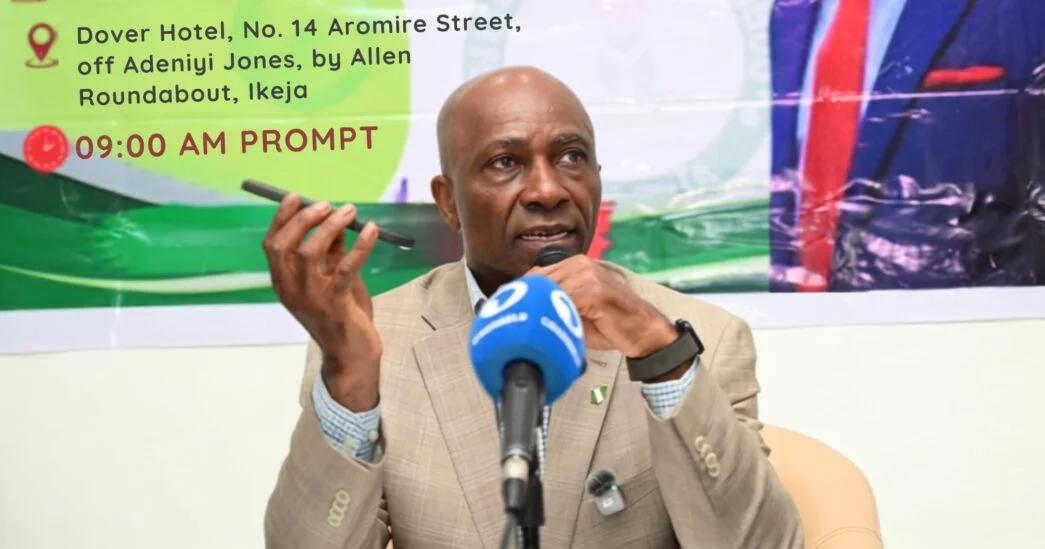
Nigeria’s Office of the Tax Ombud, a new organization created by President Tinubu’s administration to mediate between taxpayers and revenue authorities, has received 20 genuine complaints from taxpayers within the last three months, with most of the cases involving state revenue services.
The 8-month-old Office is now urging Nigerians to take advantage of the window created by the government to resolve all tax matters for free as opposed to going to court, which attracts legal costs.
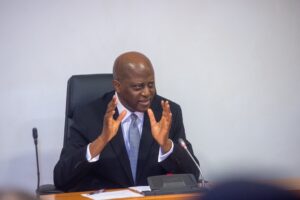
The Tax Ombud and Chief Executive of the Office of the Tax Ombud, Dr. John Nwabueze, disclosed this at the Office’s third quarter Breakfast Meeting with business editors in Lagos on Friday.
According to Nwabueze, the minimal number of complaints received so far is attributable to low awareness about the organization, adding that the Office is now pushing for more public engagement to drive awareness.
Also Read
What the Tax Ombud is saying
He said the complaints were received through various channels introduced by the Office to make it easier for taxpayers to seek redress, including a digital complaints portal, case management system, toll-free call centre and SMS callback services.
- “Within three months, the Office received over 20 genuine complaints, most of them involving state revenue services. Of these, eight have been successfully resolved, all within the statutory 14-day resolution period, with provision for an additional seven days where necessary,” he said.
Nwabueze said the Office is also preparing to handle more complex tax disputes, including potential complaints arising from the taxation of digital assets.
He said the Office has expanded the capacity of its accountants and legal experts to deal with complex tax matters and disputes relating to digital asset taxation should such cases arise.
The Tax Ombud said the Office’s expanded technical capacity would enable it to provide impartial mediation where taxpayers believe they have been unfairly treated by revenue authorities.
Get up to speed
The Tax Ombud’s remarks come as Nigeria’s evolving tax framework increasingly brings digital assets and other emerging forms of economic activity within the scope of tax administration.
A few days ago, the Nigeria Revenue Service released new Guidelines on the Taxation of Virtual Assets, which places up to 30% tax obligations on medium and large virtual assets companies.
The move to tax crypto trading, though welcome in some quarters, stakeholders have warned that the tax structure could have unintended consequences for a sector that has become an important channel for global payments, remittances, savings and income generation, especially among young Nigerians.
With concerns being raised about the structure of the tax and the items being taxed, the Tax Ombud may have its hands full in the coming months as the NRS implements the new taxes.
Multiple taxation complaints remain a concern
Meanwhile, Nwabueze identified multiple taxation, particularly at the state and local government levels, as one of the persistent issues requiring intervention.
He said the Office is engaging the Joint Revenue Board, state governments, local government authorities and other stakeholders to develop sustainable solutions to the problem.
- “Multiple taxation is an endemic issue that we are determined to address by engaging all relevant stakeholders, including the Joint Revenue Board, state governments, and local government authorities. Through collaboration and policy engagement, we are working towards sustainable solutions,” he said.
He added that the Office is planning a nationwide public sensitisation campaign to improve awareness of taxpayers’ rights and address recurring issues in Nigeria’s tax system.
Nwabueze said the Office is also planning to establish offices across Nigeria’s six geopolitical zones to improve access to its services, particularly for taxpayers outside major commercial centres.
According to him, public awareness remains one of the biggest challenges facing the Office, as many taxpayers may not know where to seek redress when they have disputes with tax authorities.
What you should know
As part of the Federal Government’s tax reforms, in November last year, President Bola Tinubu appointed Dr. John Nwabueze as Nigeria’s first Tax Ombudsman, in line with the provisions of the Joint Revenue Board of Nigeria (Establishment) Act, 2025.
According to the Presidency, the Tax Ombudsman will also serve as a watchdog to prevent abuse of power and arbitrary decision-making by tax officials. This is expected to enhance taxpayer confidence, reduce litigation, and promote voluntary compliance with Nigeria’s tax laws.