Follow Us on Google Discover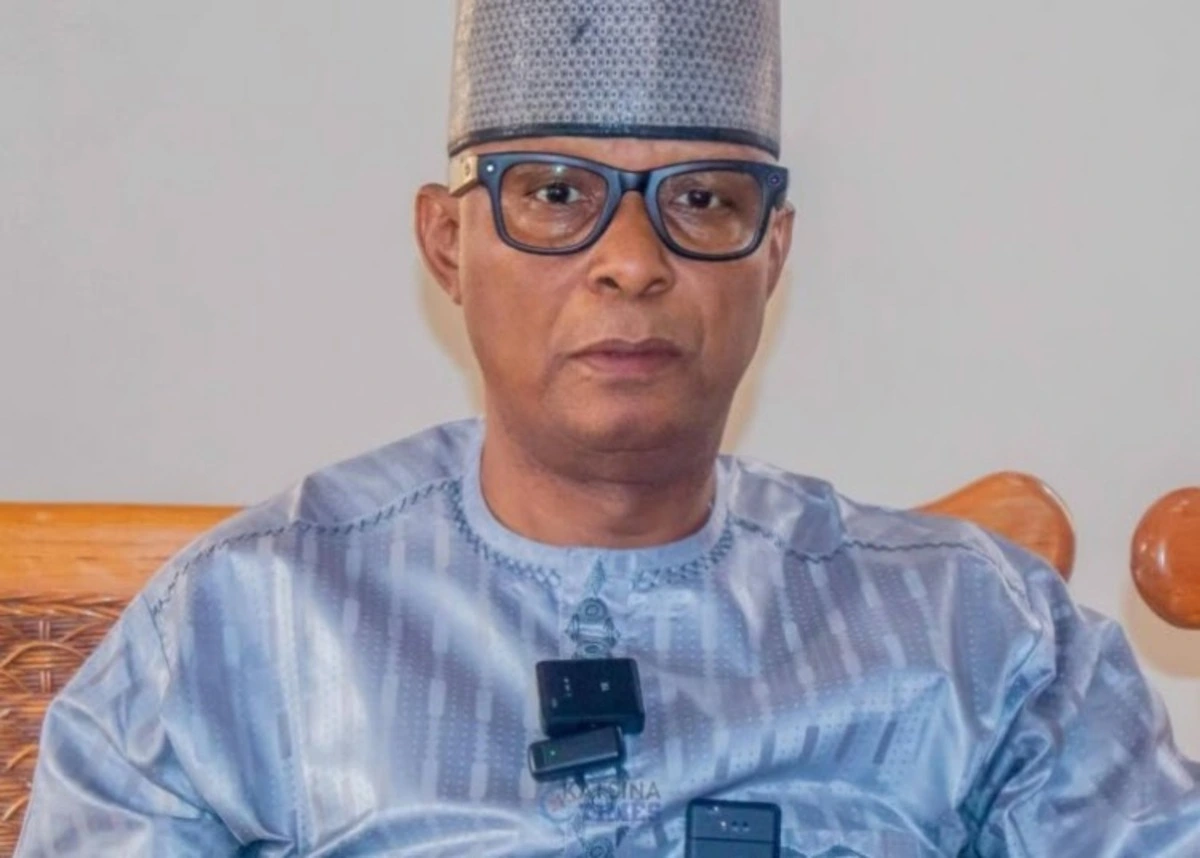
The Federal Government has proposed establishing a National Housing Finance Authority to strengthen Nigeria’s housing finance system, expand access to affordable mortgages, and boost homeownership.
According a statement from the Ministry of Housing and Urban Development, the supervising Minister, Engr. Dr. Muttaqha Rabe Darma, disclosed this during a stakeholder validation workshop on the National Housing Data Programme and Regulation of the Built Environment ahead of the submission of the proposed policies to the Federal Executive Council (FEC).
The proposed authority is one of the key reforms under the draft National Mortgage Industry Policy, which also seeks to reform the Federal Mortgage Bank of Nigeria (FMBN), expand National Housing Fund (NHF) access to informal sector workers, and strengthen the framework for diaspora housing investment.
What they are saying
Darma said the workshop marked the final opportunity for stakeholders to review the proposed housing reforms before they are presented to the Federal Executive Council.
Also Read
He said the proposed National Housing Finance Authority forms part of broader mortgage reforms aimed at strengthening housing finance and expanding access to homeownership.
- “The Minister explained that the proposed National Mortgage Industry Policy would establish a National Housing Finance Authority, reform the FMBN, expand NHF access to workers in the informal sector and create a stronger framework for diaspora housing investment,” the statement read in part.
The minister added that the workshop was a critical stage in shaping the final policies.
Broader housing reforms
Darma said Nigeria’s housing sector has become one of the country’s largest economic drivers but continues to operate without a comprehensive regulatory framework.
- Following the rebasing of the economy, real estate services accounted for about 13.4% of GDP, equivalent to approximately N41 trillion.
- Real estate and construction contributed more than N77 trillion to the economy in 2025.
- Despite this contribution, millions of Nigerians remain exposed to fraudulent housing transactions, failed developments, weak consumer protection, and limited access to affordable mortgages.
- The proposed National Housing and Built Environment Regulation Policy would introduce developer licensing, escrow protection for buyers’ funds, stronger construction standards, improved land administration, urban renewal without displacement, and a National Housing Data Observatory.
The minister said the reforms are intended to improve transparency, strengthen consumer protection, and unlock greater investment in the housing sector.
Housing data and regulation
The proposed policy also seeks to establish a National Housing Industry Regulatory Commission to strengthen oversight of the housing sector.
- Darma cited Dubai’s use of compulsory escrow accounts and developer licensing, which supported more than 270,000 property transactions worth about $250 billion in 2025.
- He said the ministry adopted internationally recognised methodologies, including the World Bank Adequate Housing Index and the UN-Habitat Household Crowding Index, to estimate Nigeria’s housing deficit at about 15 million units.
- Permanent Secretary Dr. Shuaib Belgore said fragmented data and weak enforcement have undermined planning, investor confidence, and housing quality.
- FMBN Managing Director Shehu Usman Osidi said the bank has completed a National Mortgage Registry, which is ready for deployment after stakeholder engagement and data validation.
Darma urged stakeholders to scrutinise the proposed methodology, stressing that credible housing data is essential for planning, policymaking, and attracting investment.
What you should know
Industry experts who previously spoke to Nairametrics broadly welcomed the proposed housing reforms, particularly developer licensing and regulated escrow accounts for off-plan housing transactions, describing them as important steps toward improving transparency and protecting homebuyers.
- Festus Adebayo, Executive Director of the Housing Development Advocacy Group, said consumer protection should include mandatory project registration, land title verification, planning approvals, and an independent real estate regulator.
- Oluwakemi Adeyemo, Chief Executive Officer of Premier Real Estate Advisory and Marketing Company, said escrow arrangements should be backed by stronger enforcement and continued buyer due diligence.
- Eniola Ayomiotan Olukoya, Chief Executive Officer of Aout-18 Technologies Ltd., proposed a unified digital platform linking developer licensing, project verification, escrow management, and construction monitoring.
- Olufemi Adeleke, Founder of Murals Nigeria Limited, said escrow accounts should be tied to independently verified construction milestones to ensure developers deliver projects as promised.
The experts agreed that while the proposed reforms could strengthen confidence in Nigeria’s housing market, their success will depend on effective implementation, enforcement, and institutional oversight.