Follow Us on Google Discover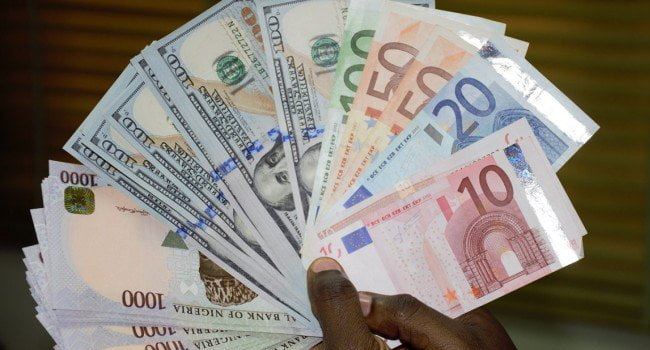
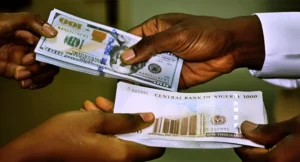
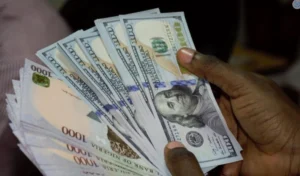
The Naira strengthened against the major European currency in the 4th session of the week.
According to CBN data, the Naira closed at N1573/€1 against majors in the fourth session, slightly gaining against N1574/€1 recorded on Wednesday.
Market activity indicates that the EUR/NGN cross rate has clearly weakened amid ongoing pressure from naira bulls.
The Nigerian Naira strengthened bullishly in 2026 after the rapid devaluations in the preceding years. There are a few major reasons for the appreciation of trends. Increased external buffers will bolster CBN’s defenses of the naira and its ability to meet the demands. Nigeria’s foreign reserves are about $50 billion.
Also Read
The CBN’s monetary policy for 2024/2025 remains hawkish, raising the Monetary Policy Rate (MPR) to combat persistent inflation and attract FPIs into the market. While high yields benefit the Naira to some extent, inflation continues to pressure real returns.
Nigeria’s foreign exchange reserves have been periodically supported by crude oil revenue and loans from international institutions like the World Bank and AfDB.
Food and energy price shocks in Nigeria persistently undermine the local currency’s value, below the N1,500/€1 mark, exerting ongoing upward pressure on the Naira’s fundamentals.
The ECB is adopting a data-dependent, gradual approach to rate changes. A resilient Eurozone economy might allow the ECB to pause rates for an extended period, keeping the Euro strong against emerging market currencies.
Nigeria continues to be a net importer of European goods (machinery, chemicals, and finished products), resulting in a consistent flow of euros to pay for imports.
Currency traders will look at the psychological support of around 1,550/€1 NGN in the official exchange window and resistance near N1,650/€1 NGN.
The medium-term outlook depends on the CBN’s capacity to sustain FX interventions and on Nigeria’s inflation peak.
EUR/USD remains highly volatile as ECB delivers surprise policy shift
EUR/USD remains highly volatile amid a significant policy shift by the ECB.
The ECB is expected to raise interest rates later today to address potential second-round inflation effects amid high energy prices. This will be the first-rate hike in three years.
Traders will closely monitor ECB forecasts for inflation and economic growth. The market prices at three rate increases for this year.
The pair’s recent consolidation reflects concerns over ECB rate hikes and fears of stagflation because of policy changes and geopolitical tensions in the Middle East.
Energy prices have climbed further amid regional conflicts, especially involving Iran, and shipping disruptions in the Middle East
Further rate hikes, whether a one-time adjustment or continued tightening, may hinge on statements from ECB President Christine Lagarde. Hawkish comments could support the euro in the short term. Conversely, escalating Middle East hostilities may bolster the US dollar as a haven, challenging the major currency pair.
The US Central Command announced attacks on Iran in response to ongoing aggression, escalating regional tensions.
President Donald Trump aborted threatened military strikes against Iran in a dramatic reversal that came hours after he warned to strike the Islamic Republic “VERY HARD” and said he would seize the nation’s oil infrastructure. US forces had struck the Islamic Republic two consecutive days when President Trump said Thursday morning, they would conduct an air strike.
However, President Trump declared via social media that he was calling off the attacks, once again suggesting a deal was imminent, with no response from the Iranian side.
Trump said to the press he may sign something as early as this weekend in Europe, and Vice President JD Vance will be attending if it is to be signed. He further stated the Iranian supreme leader consented to a deal, and it is still not firm.