Follow Us on Google Discover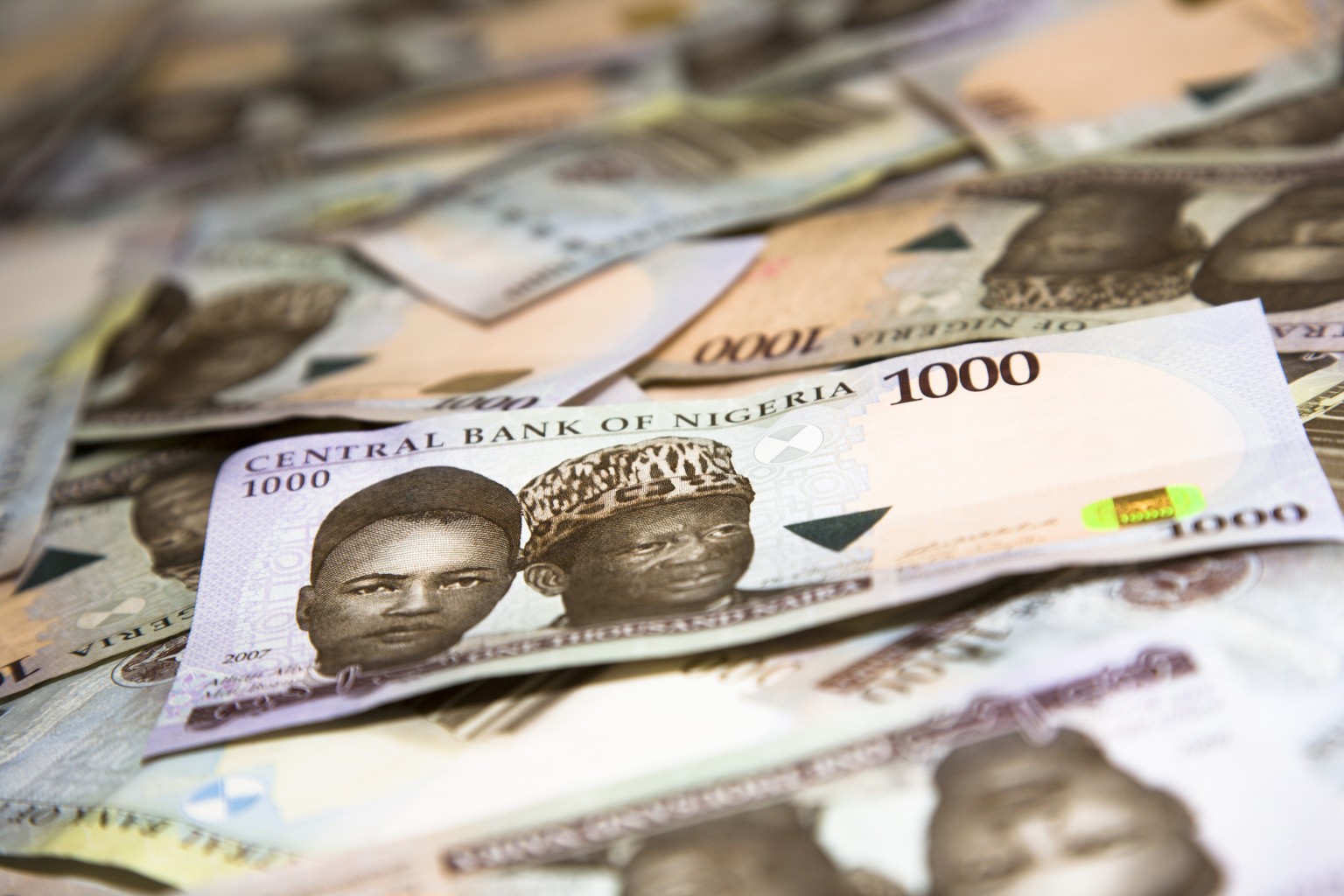
S&P Global Ratings upgraded Nigeria’s sovereign credit rating from “B-” to “B” with a stable outlook following comparable upward adjustments by Fitch and Moody’s.
This upgrade completes a trifecta, indicating a consensus among major global rating agencies and boosting the Naira’s outlook.
The upgrade increases confidence among foreign investors, at least in the mid-term. It contributes to Naira’s stabilization during official windows by lowering the perceived risk profile of Nigerian assets, currently trading at N1,372/$.
Foreign portfolio investors (FPIs) are informed that the nation is headed toward macroeconomic predictability by the “B” rating. Increased capital inflows into Nigerian debt instruments, such as Treasury and OMO bills, are anticipated as a result, giving the Naira instant liquidity.
The CBN is still taking a hawkish approach to limiting liquidity. The Monetary Policy Rate (MPR) was lowered by the top bank by 50 basis points in February, from its peak of 27 percent to 26.5 percent.
It also raises the cost of domestic refined fuel and logistics, although $100+ oil increases reserves. A new wave of domestic inflation brought on by these input costs could halt economic growth and put more pressure on the Nigerian naira.
Pre-election dynamics in Africa’s most populous economy often led to higher government fiscal spending in the second half of the year. The CBN’s ability to maintain stable exchange rates will be tested during this period amid a significant inflow of local liquidity.
It also raises the cost of domestic refined fuel and logistics, although $100+ oil increases reserves. However, a new wave of domestic inflation brought on by these input costs could halt economic growth and put more pressure on the Nigerian naira
U.S dollar index at highest level since April 8
The US Dollar Index (DXY), which measures the US dollar’s strength against a basket of six major currencies, reached its highest level since April 8 as investors continue to support the greenback due to hawkish Federal Reserve (Fed) expectations and ongoing geopolitical uncertainty surrounding US-Iran negotiations. The DXY is on track for its first weekly gain in three weeks as of this writing, trading at about 99.2.
The increase coincides with traders reevaluating the prospects for US inflation in the wake of yet another significant surge in the Consumer Price Index (CPI) and Producer Price Index (PPI) data earlier this week, indicating the second consecutive month of rising inflation in April.
Increased Crude oil prices associated with Middle East tension are a major cause of inflation.
Currency traders have increased their bets that the Fed will raise interest rates by the end of the year in response to the most recent inflation data, with the CME FedWatch Tool displaying a nearly 50% probability.
A fruitful meeting between US President Donald Trump and Chinese President Xi Jinping, during which both leaders talked about trade and deeper investment ties between the two nations, also lends further support to the Greenback.
Safe-haven demand for the US dollar is still strong as the US-Iran nuclear negotiations remain uncertain. President Donald Trump has reiterated his threats to resume military action if an agreement cannot be reached.
The Euro and British pound sterling have been under pressure for a few days amid renewed uncertainty between the United States and Iran, with negotiations between the two nations having stalled for several weeks. Foreign exchange dealers are moving away from riskier assets and toward the dollar, and oil prices are rising.
Major global currencies, gold, silver, and leading stock indices all ended the day lower except for those most heavily exposed to AI. The unrest in British politics last week further undermined the euro, prompting traders to choose more defensive currencies like the dollar. Andy Burnham, who is regarded as the least market-friendly candidate after MP Josh Simons withdrew, may challenge Prime Minister Keir Starmer.