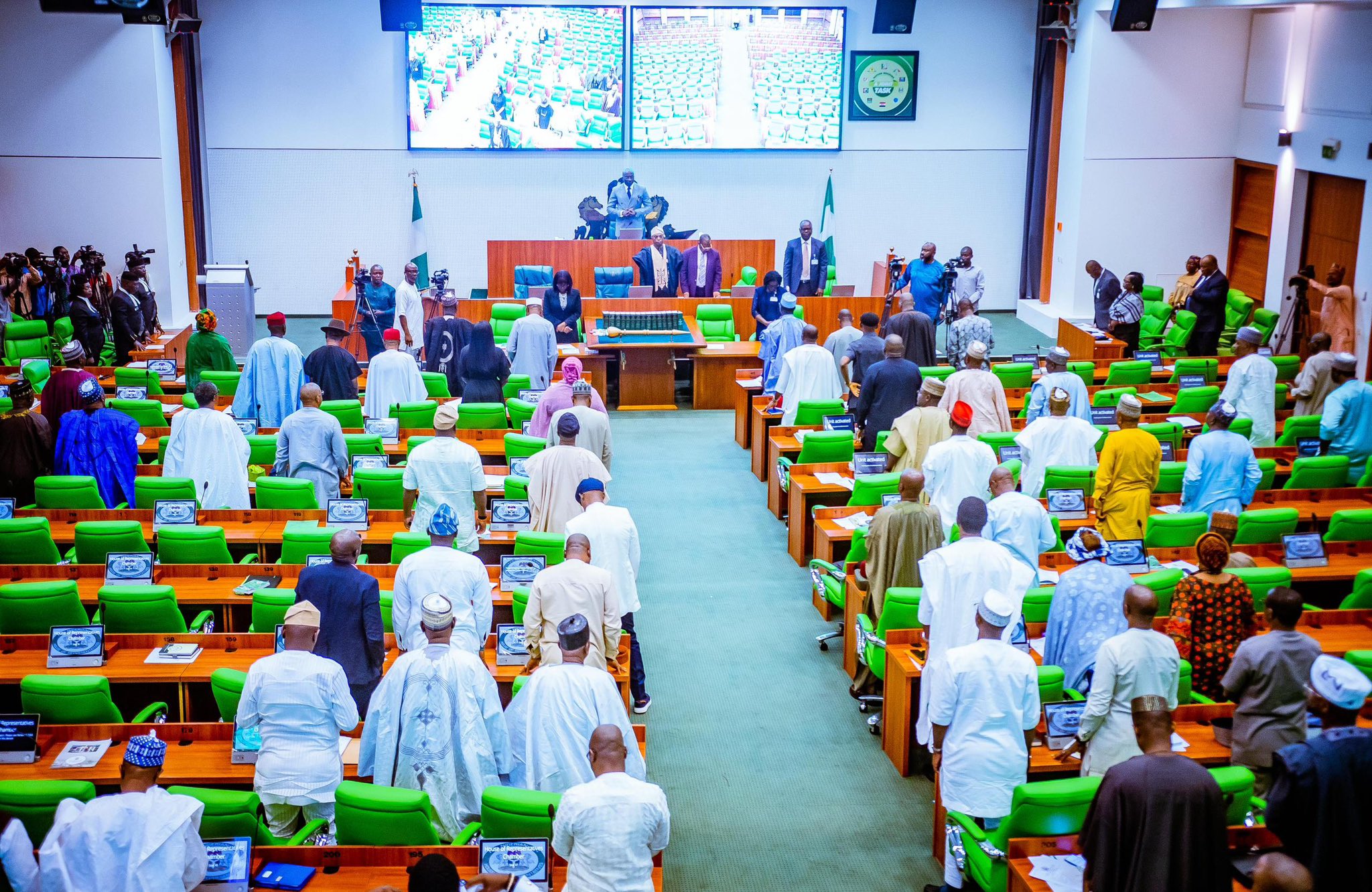
The federal legislative arm of government is central to law enactment processes and reforms that can make or mar investments in a host country.
This is because the business environment of every nation, and the behavior of corporate organizations, are largely shaped by subsisting laws and their implementation, and Nigeria is no exception.
Large corporations are expected to comply with regulatory requirements from relevant authorities or challenge them in a court of competent jurisdiction, but the fact remains that these requirements may be offshoots of enacted legislation.


For instance, some weeks ago, Airtel Nigeria and MTN Nigeria Communications Plc announced the temporary suspension of their airtime and data credit services, citing new regulatory requirements for digital lending by the Federal Competition and Consumer Protection Commission (FCCPC). The resultant effect was widespread criticism from Nigerian users.
For the FCCPC, operators are expected to structure their commercial relationships in a manner consistent with Nigerian law.
As of the time of filing this report, Xtratime services on MTN remain unavailable.
According to official documents at the National Assembly seen by Nairametrics, a number of pending bills could shape the business landscape.
Here is a breakdown of the bills:
Sponsored by Fuad Kayode Laguda, the bill seeks to establish the Nigeria Fintech Regulatory Commission (NFRC) as the proposed regulatory authority that would license, supervise, and regulate the fintech sector in the country.
The argument behind the bill is that fintech platforms are often subjected to multiple agency compliance requirements, leading to significant bottlenecks.
Reports indicate that the number of fintech firms in Nigeria surpassed 430 in 2025, with nine leading firms holding a combined valuation of $10.6 billion as of January 2026.