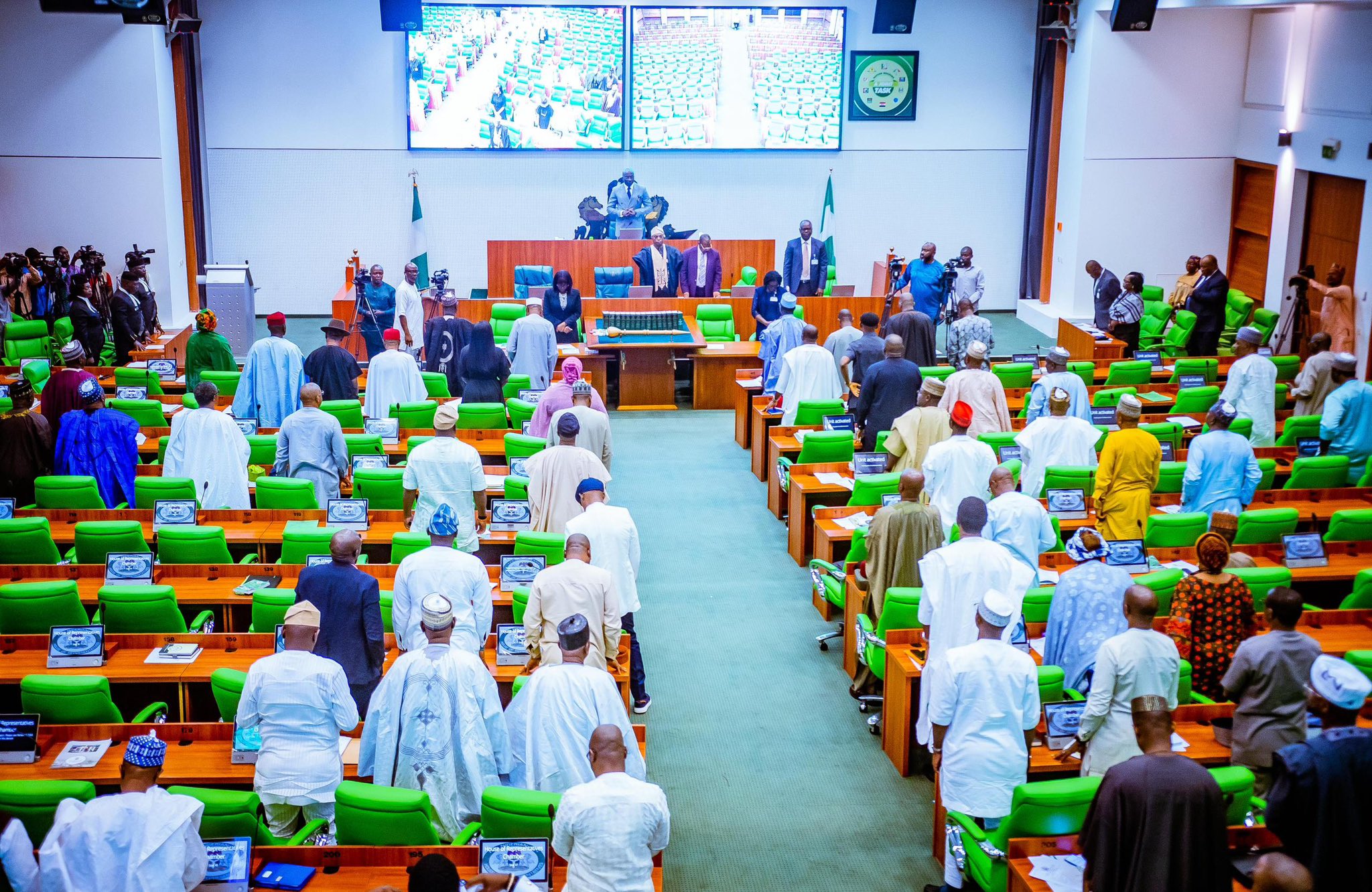
The federal legislative arm of government is central to law enactment processes and reforms that can make or mar investments in a host country.
This is because the business environment of every nation, and the behavior of corporate organizations, are largely shaped by subsisting laws and their implementation, and Nigeria is no exception.
Large corporations are expected to comply with regulatory requirements from relevant authorities or challenge them in a court of competent jurisdiction, but the fact remains that these requirements may be offshoots of enacted legislation.


For instance, some weeks ago, Airtel Nigeria and MTN Nigeria Communications Plc announced the temporary suspension of their airtime and data credit services, citing new regulatory requirements for digital lending by the Federal Competition and Consumer Protection Commission (FCCPC). The resultant effect was widespread criticism from Nigerian users.
For the FCCPC, operators are expected to structure their commercial relationships in a manner consistent with Nigerian law.
As of the time of filing this report, Xtratime services on MTN remain unavailable.
According to official documents at the National Assembly seen by Nairametrics, a number of pending bills could shape the business landscape.
Here is a breakdown of the bills:
Sponsored by Hon. Francis E. Waive, Hon. Babajimi Benson, and Hon. Yusuf Rabiu, the main goal of the amendment is to grant the West African Gas Pipeline Authority (WAGPA) the explicit power to implement a new licensing regime for all shippers utilizing the pipeline.
The amendment comes amid comments by the Minister of State for Petroleum Resources (Gas), Ekperikpe Ekpo, that Nigeria supplies over 68% of the gas currently flowing through the 678km subsea link.
The minister also stated that the country has the capacity to grow its gas production to over 5 billion cubic feet per day by 2030.
The bill has progressed to second reading.