Follow Us on Google Discover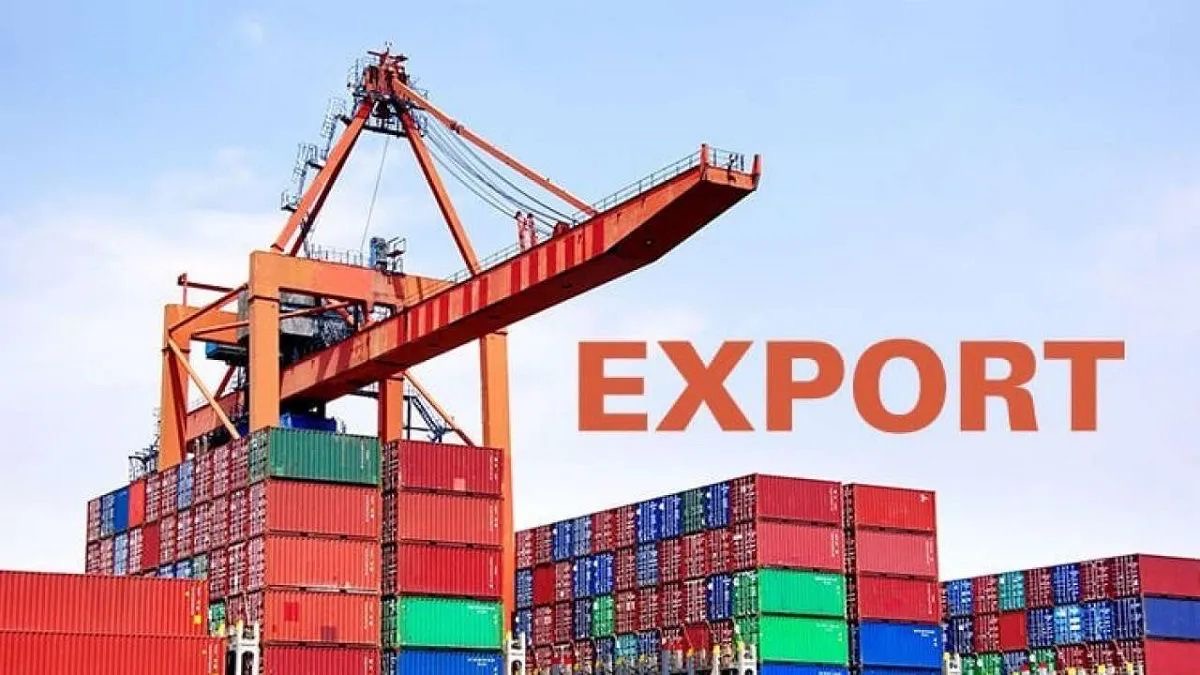
The United Nations Conference on Trade and Development (UNCTAD) has raised concerns that least developed countries (LDCs) are losing about 10% of their exports to G20 economies due to their inability to comply with increasingly complex non-tariff measures (NTMs).
The global trade body says this is emerging as one of the most significant but less visible constraints on international trade.
The disclosure was contained in UNCTAD’s May 2026 Global Trade Update, which examined how regulatory requirements, technical standards, certification rules, health and safety procedures, and administrative compliance costs are reshaping global trade flows.
According to the report, while global attention has largely focused on tariff-related tensions following the 2025 trade disruptions, non-tariff measures have now become the dominant driver of trade costs for most economies, particularly developing countries.
What the report is saying
UNCTAD’s data shows that compliance gaps with non-tariff measures are creating a measurable export loss for the world’s poorest economies, especially in trade with advanced markets.
The agency stated that:
- Non-tariff measures now impose higher trade costs than tariffs for about 88 percent of countries globally
- Compliance barriers are driven by standards, certifications, labelling rules, and documentation requirements
- Exporters in low-income economies often rely on third-country testing and certification due to weak domestic infrastructure
The report noted that in many cases, exporters are forced to send goods through third countries for certification where domestic facilities are unavailable, significantly increasing costs and reducing competitiveness.
UNCTAD explained that while tariffs remain politically visible, regulatory compliance has become the “real cost driver” in global trade, especially for small exporters with limited technical capacity.
More context and backstory
The findings come against the backdrop of renewed global trade disruptions in 2025, when several economies introduced higher tariffs and stricter import controls in response to geopolitical tensions and supply chain risks.
While tariffs tend to attract more attention in trade negotiations, UNCTAD said non-tariff measures have gradually expanded over the years as countries tighten product standards, safety regulations, environmental requirements, and customs procedures.
The report highlighted that developing countries, particularly in East Asia, South Asia, and Latin America, have been disproportionately affected, not only by tariffs but more significantly by compliance-related costs that limit their ability to access advanced markets.
UNCTAD also acknowledged that many of these measures are not protectionist in nature but are designed to achieve legitimate policy objectives such as consumer safety, environmental protection, and public health.
What you should know
UNCTAD’s warning points to a shift in global trade dynamics where regulatory complexity, rather than tariffs, is increasingly determining who trades, what is traded, and at what cost.
In its April 2026 edition, the agency stated that global trade recorded a notable upswing in 2025, driven largely by strong manufacturing activity, which expanded by 11%.
- Agricultural trade also grew, supported by higher activity in cereals, animal products, coffee, tea and spices.