Follow Us on Google Discover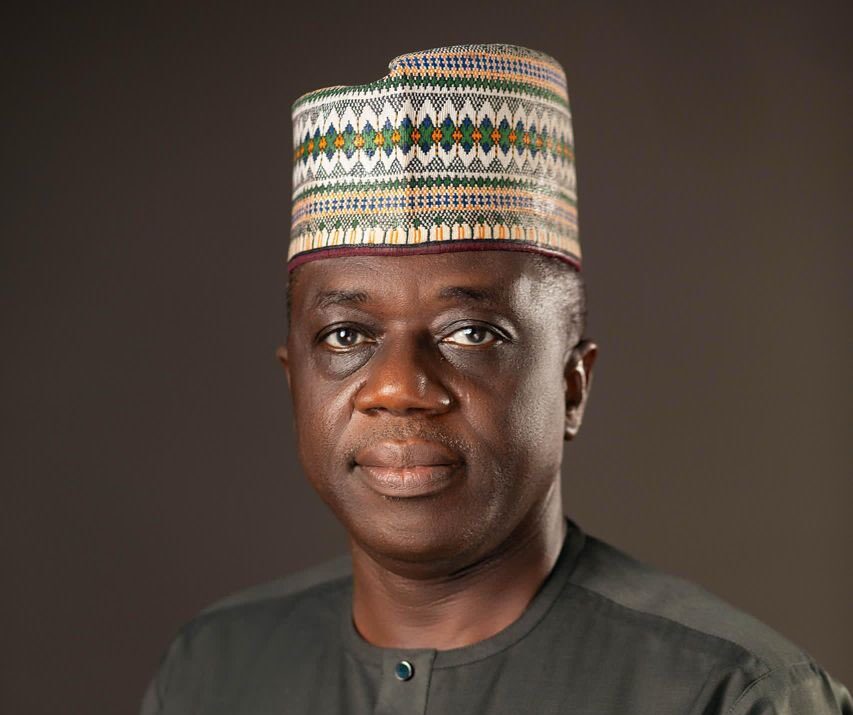
The Accountant-General of the Federation, Dr Shamseldeen Babatunde Ogunjimi, has warned that Nigeria may decline or withdraw from World Bank loan arrangements if approval and disbursement processes continue to suffer prolonged delays.
Ogunjimi said this in Abuja during a courtesy visit by a World Bank delegation led by Mrs Treed Lane, Manager of the World Bank Team.
This is according to a press statement issued on Friday by Bawa Mokwa, Director, Press and Public Relations, Office of the Accountant-General of the Federation.
What the statement says
The AGF stressed that funds being sought from the World Bank were loans, not grants, and said Nigeria, as a responsible borrower, deserved timely consideration and processing of its funding requests.
Also Read
According to the statement, Ogunjimi urged the World Bank to speed up approval processes and ensure prompt release of project funds meant to support Nigeria’s development priorities.
- “If approvals take more than six months, the Nigerian Government may no longer honour such arrangements,” he stated.
The warning points to rising concerns within the Federal Government over the pace of multilateral project financing, especially at a time when Nigeria is relying on external and domestic borrowing to support infrastructure, social investment, fiscal reforms and other development programmes.
OAGF moves on audit reports, financial statements
Ogunjimi also informed the World Bank delegation that the Office of the Accountant-General of the Federation had started addressing key issues previously raised by the Bank, particularly in public financial management statements and audit reporting.
He disclosed that the 2023 Audit Report would be submitted to the Office of the Auditor-General for the Federation within two weeks.
He added that work had already begun on the 2024 and 2025 audit reports.
- The statement said, “Dr. Ogunjimi further informed the delegation that the Office of the Accountant-General of the Federation has commenced action on critical issues earlier raised by the World Bank, particularly in the areas of public financial management statements and audit reporting.”
GIFMIS digitalisation underway
The AGF also told the delegation that the OAGF was addressing concerns around the digitalisation of the Government Integrated Financial Management Information System.
He said obsolete infrastructure was being replaced with modern technology to improve efficiency and service delivery.
The GIFMIS platform is central to the Federal Government’s public financial management architecture, as it supports budget execution, expenditure control, accounting and financial reporting across ministries, departments and agencies.
According to the statement, Ogunjimi assured the World Bank team that the office was taking steps to modernise the system and strengthen the reliability of government financial operations.
World Bank urges sustained reforms
Earlier, Treed Lane congratulated Ogunjimi on his recent appointment as the African Chairman of the Association of Accountants-General.
- She also encouraged the OAGF to sustain efforts toward digitalising its operations and ensuring the timely presentation of professional financial statements to the Office of the Auditor-General for the Federation.
- Lane said this would help strengthen seamless public financial management processes.
The engagement comes as Nigeria continues to depend on multilateral support for key reform programmes and development projects, even as the government faces pressure to improve fiscal transparency, strengthen public financial reporting and ensure that borrowed funds are tied to measurable development outcomes.
What you should know
The Accountant-General’s position suggests that delays in loan approvals and disbursements may weaken the attractiveness of World Bank-backed project financing to the Nigerian government.
- Although multilateral loans are often considered cheaper and more concessional than commercial borrowings, slow processing can affect budget execution, project timelines and the government’s ability to deliver planned capital and social interventions.
- Ogunjimi’s comment also signals that Nigeria wants the World Bank to treat its funding requests as binding financing arrangements rather than open-ended development support.
- The AGF said the facilities were repayable obligations and should therefore be processed with the urgency expected in a lender-borrower relationship.
Nairametrics recently reported that the World Bank approved a $500 million International Development Association (IDA) credit for Nigeria to boost agricultural productivity, strengthen value chains, and improve food security under a new programme tagged the Nigeria Sustainable Agricultural Value-Chains for Growth (AGROW) Project.
The loan approval came roughly three months after the World Bank cleared a $500 million financing package to expand access to credit for micro, small and medium enterprises in Nigeria, aimed at easing persistent funding constraints limiting business growth.