Follow Us on Google Discover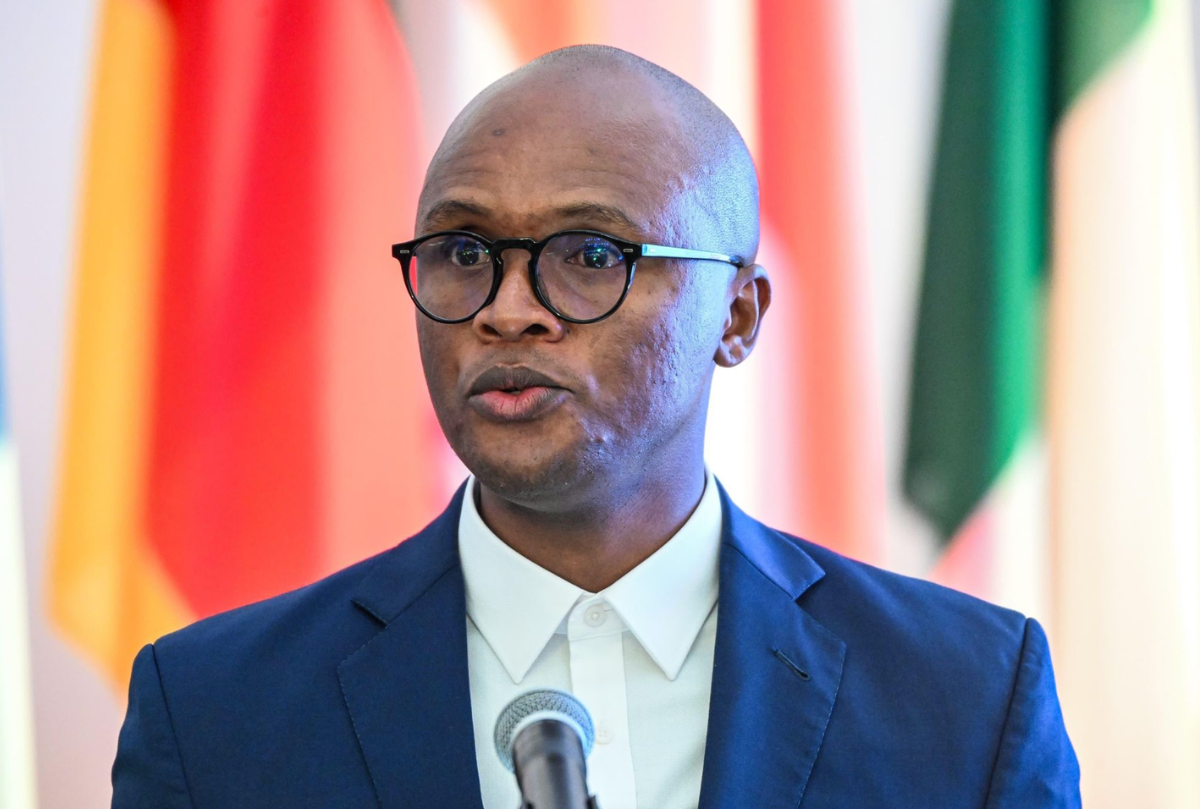
South Africa’s Minister of Communications and Digital Technologies, Solly Malatsi, has withdrawn the country’s Draft National Artificial Intelligence Policy after it was discovered that the document contained fictitious sources in its reference list.
The minister disclosed this in a statement posted on his X handle on Sunday.
He described the lapse as a serious breach that undermined the integrity and credibility of the proposed policy framework.
According to Malatsi, internal checks were launched after concerns emerged over the references cited in the draft document, confirming that several of the listed sources were not genuine.
Also Read
What they are saying
Malatsi said the issue went beyond a technical error and represented a failure by the Department of Communications and Digital Technologies to meet expected standards.
- “This failure is not a mere technical issue but has compromised the integrity and credibility of the draft policy. As such, I am withdrawing the Draft National Artificial Intelligence Policy,” he said.
He added that South Africans deserved better from an institution tasked with shaping the country’s digital policy environment.
The minister said the most likely explanation was that artificial intelligence-generated citations were inserted into the draft without adequate human verification.
- “The most plausible explanation is that AI-generated citations were included without proper verification. This should not have happened,” Malatsi stated.
- “In fact, this unacceptable lapse proves why vigilant human oversight over the use of artificial intelligence is critical. It’s a lesson we take with humility,” the Minister added.
He noted that the incident highlights the risks associated with deploying AI tools without sufficient oversight, especially in public sector policymaking.
Malatsi said the government was treating the matter seriously and that accountability measures would follow.
According to him, “there will be consequence management for officials responsible for drafting the policy and carrying out quality assurance checks.”
Backstory
The withdrawal of the policy follows an earlier report by South African publication, News24, alleging that the AI Policy contained at least six fictitious references in its bibliography.
- Experts quoted in the publication said the fake sources appeared consistent with AI hallucinations, where AI systems generate plausible-looking but false citations.
- The revelations triggered criticism over the government’s drafting process and the credibility of the proposed policy.
The withdrawal means South Africa will likely need to restart parts of the consultation process for its national AI policy, potentially delaying efforts to establish a formal framework for regulating and guiding artificial intelligence adoption.
What you should know
South Africa is one of the few African countries to have developed AI policy, even as the adoption of the technology continues to spread rapidly across the continent.
Last month, Nigeria’s Minister of Communications, Innovation and Digital Economy, Bosun Tijani, disclosed that the country’s National Artificial Intelligence Strategy was being prepared to be submitted to the National Assembly for approval “within weeks.”
- “I am pleased to share that Nigeria now has a National Artificial Intelligence Strategy. It is no longer a draft; it is fully developed. Our policy framework is expected to receive final legislative approval in the next one or two weeks,” Tijani said.
However, the approval of the strategy still remains pending as of the time of filing this report.